Solder Wire: The Unsung Hero of Electrical Connections
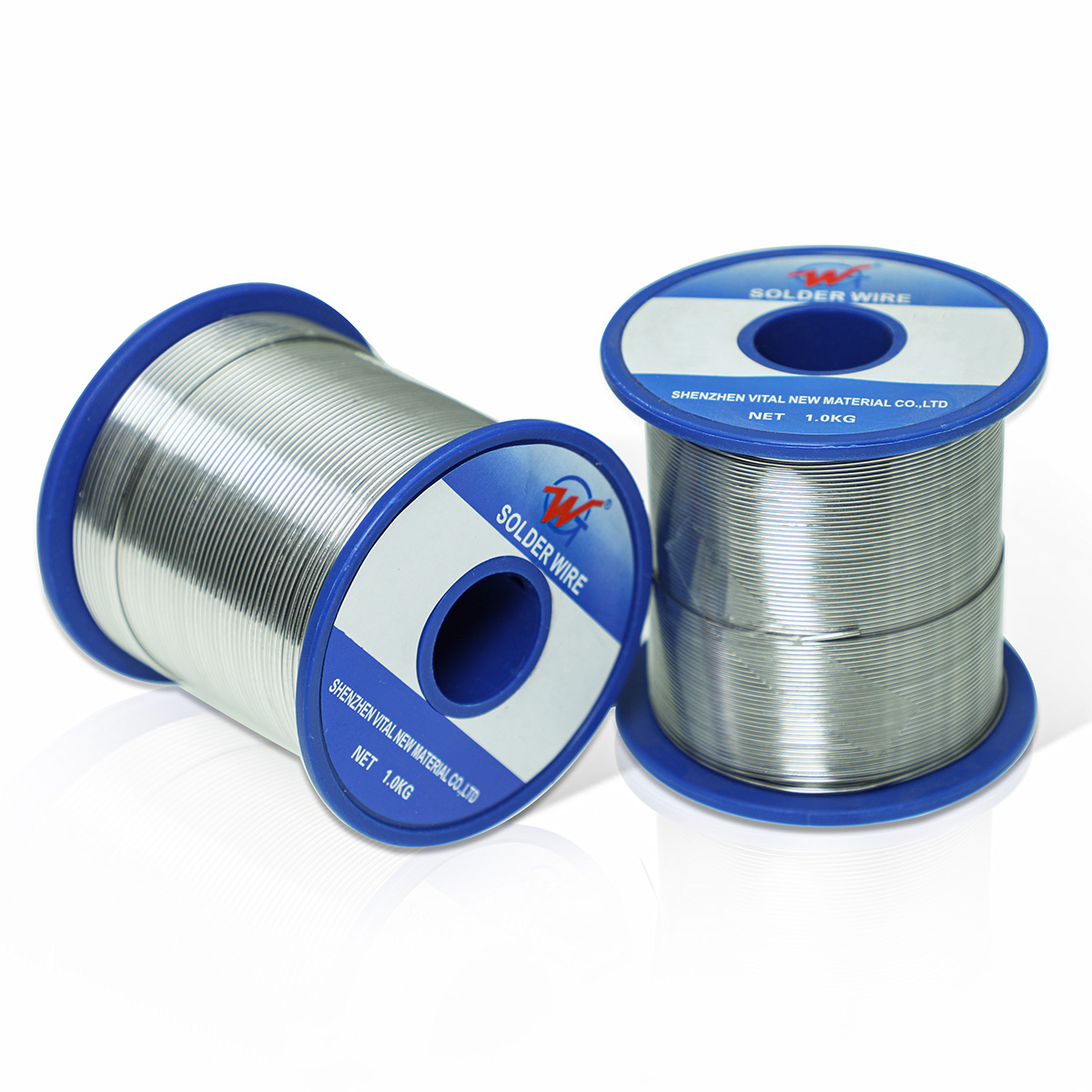
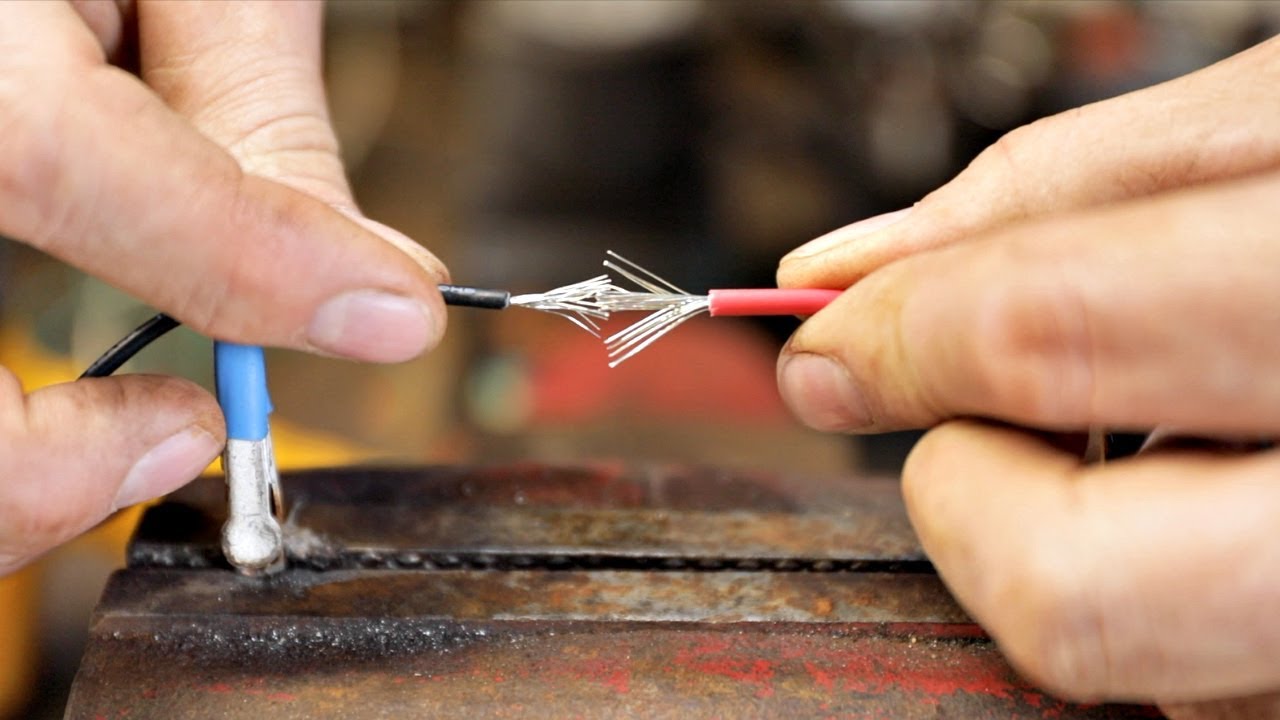
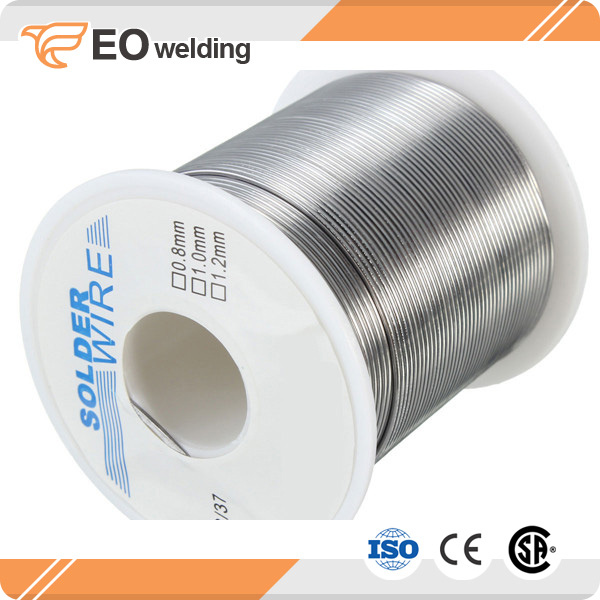
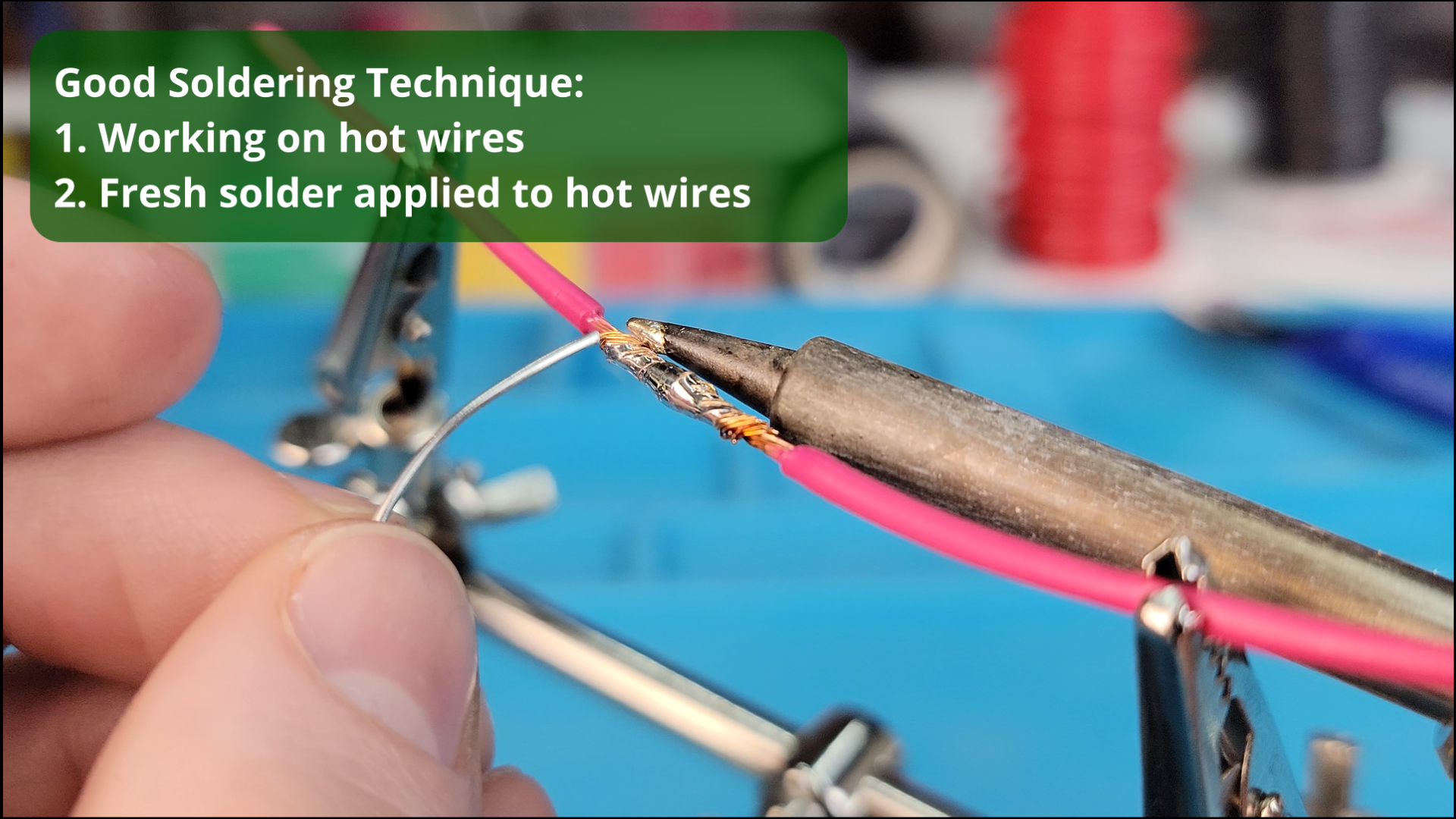
Solder wire, also known as solder or soldering wire, is a type of metal alloy used to join two metal pieces together by melting and flowing the wire into the joint. It's a crucial component in various industries, including electronics, plumbing, and automotive repair. In this article, we'll delve into the world of solder wire, exploring its types, uses, and benefits.
The Importance of Solder Wire
Solder wire is a critical component in electrical connections, providing a strong and durable bond between two metal pieces. Its melting point, flowability, and wetting properties make it an ideal choice for joining copper wires, electrical components, and other metal parts. Solder wire is used in a wide range of applications, from simple electronics repairs to complex industrial machinery.
Types of Solder Wire
There are several types of solder wire available, each with its own unique characteristics and uses:
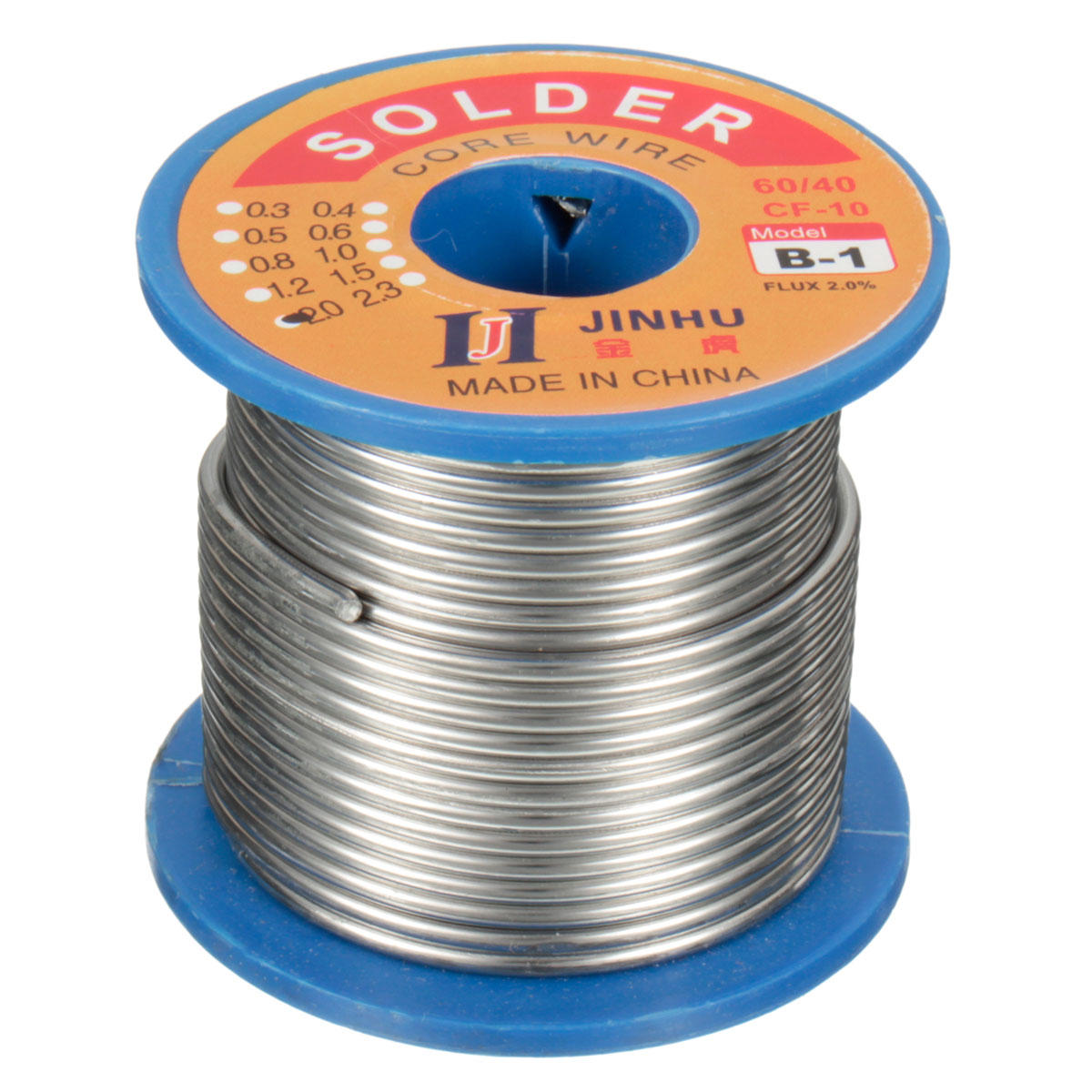
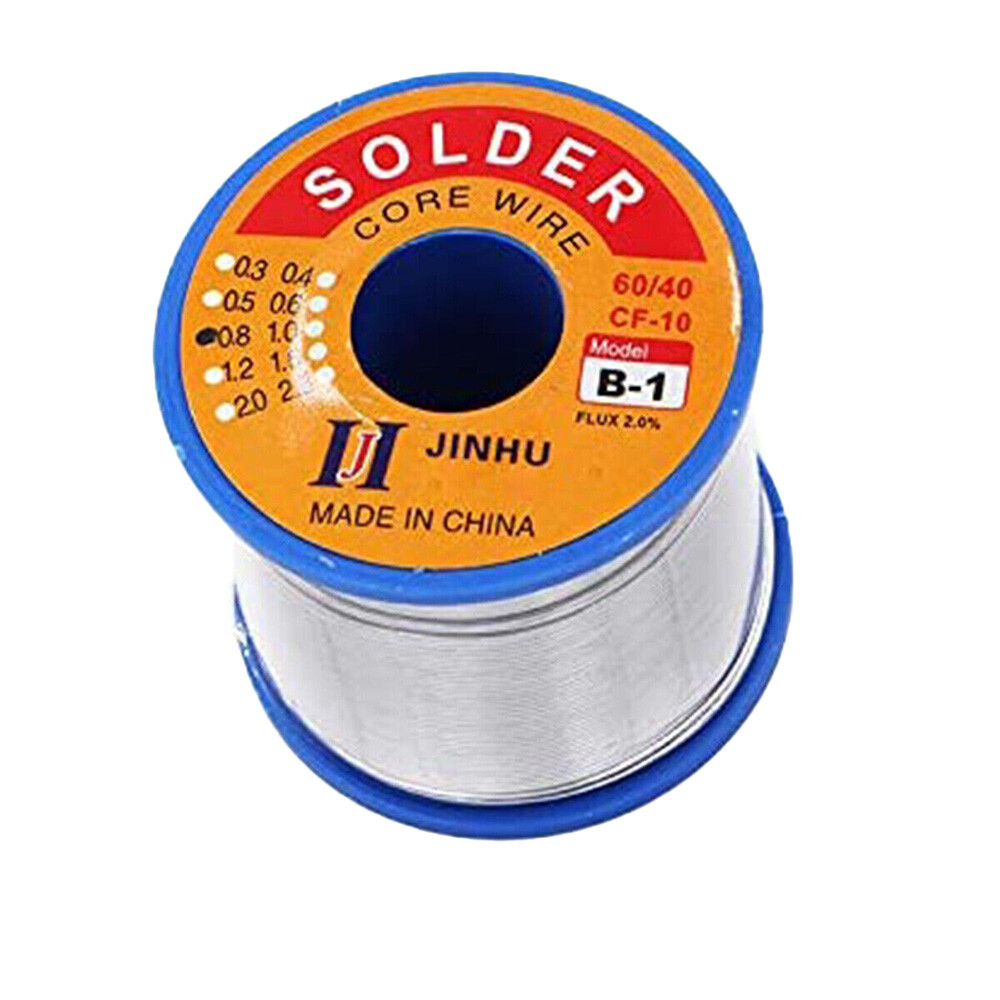
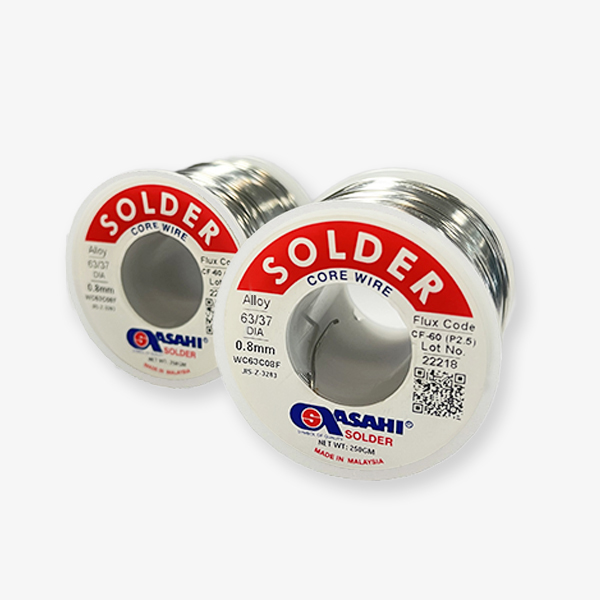
- 60/40 Solder Wire: A tin-lead alloy with a 60% tin and 40% lead composition, this solder wire is widely used in electronics and electrical repairs.
- Flux Core Solder Wire: This type of solder wire has a flux core that helps to remove oxidation and impurities from the metal surface, resulting in a stronger bond.
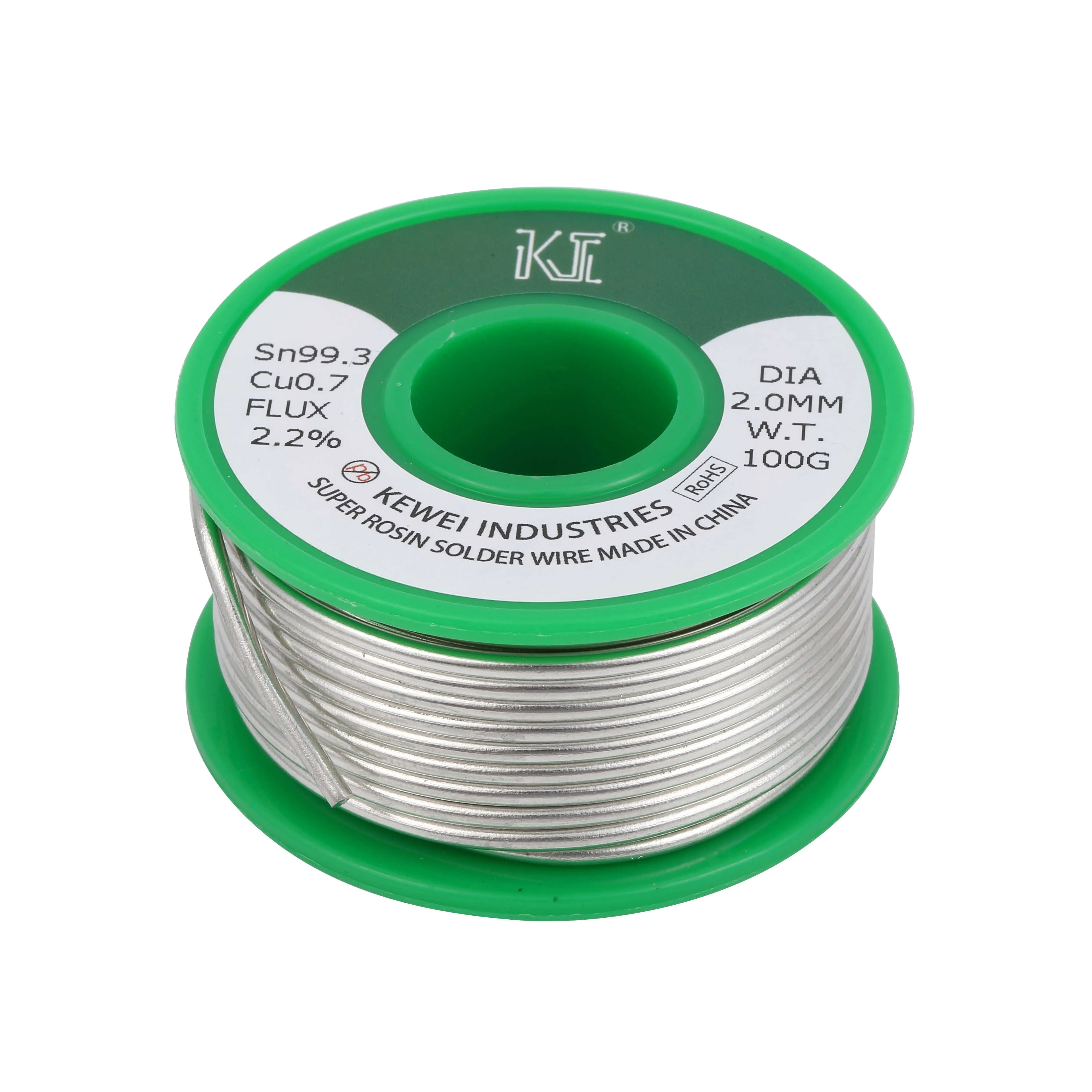
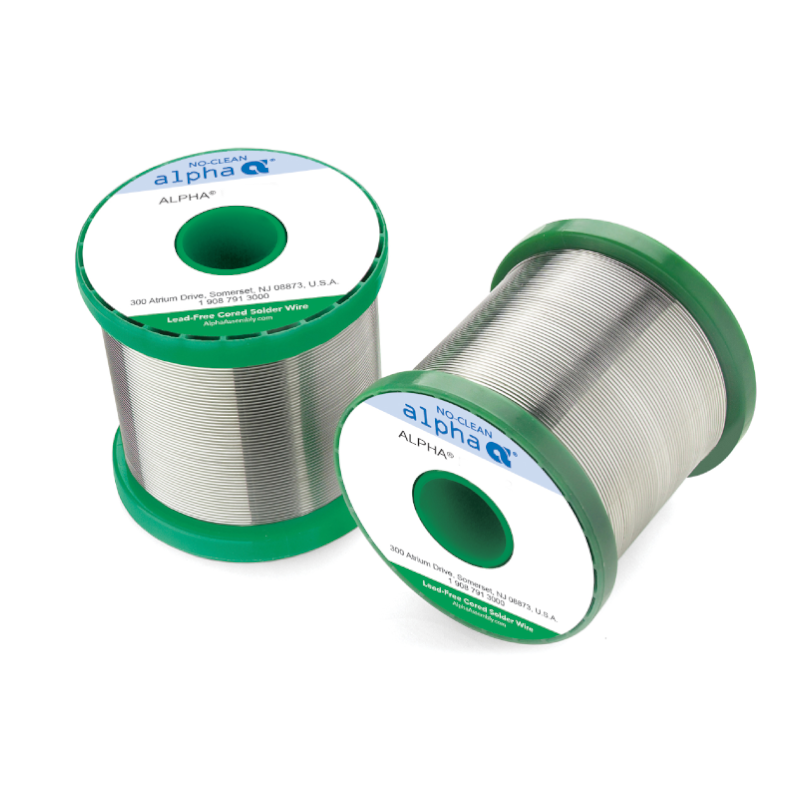
- Lead-Free Solder Wire: As the name suggests, this solder wire is free from lead and is used in applications where lead is not allowed, such as in medical devices and food processing equipment.
- Silver Solder Wire: This type of solder wire is made from a silver-tin alloy and is used for high-temperature applications, such as brazing and soldering of stainless steel components.
Choosing the Right Solder Wire
Choosing the right solder wire depends on the specific application, material, and temperature requirements. Here are some factors to consider when selecting a solder wire:
- Material**: Tin, lead, silver, or other alloys, each with its own melting point and flowability.
- Flux Core**: Some solder wires have a flux core that helps to remove oxidation and impurities from the metal surface.
- Temperature**: Different solder wires are designed for specific temperature ranges, from low-temperature applications to high-temperature brazing.
- Applications**: Solder wire is used in various industries, including electronics, plumbing, and automotive repair.
Benefits of Solder Wire
Solder wire offers several benefits, including:
- Strong and Durable Bonds**: Solder wire creates a strong and durable bond between two metal pieces.
- Easy to Use**: Solder wire is relatively easy to use, even for beginners.
- Cost-Effective**: Solder wire is a cost-effective solution for repairing and joining metal parts.
- Versatile**: Solder wire is used in various industries and applications, making it a versatile solution.

Conclusion
Solder wire is an essential component in electrical connections, providing a strong and durable bond between two metal pieces. With various types of solder wire available, choosing the right one depends on the specific application, material, and temperature requirements. By understanding the benefits and characteristics of solder wire, you can make informed decisions and create strong, reliable connections in your next project.
Frequently Asked Questions
Q: What is solder wire?
A: Solder wire is a type of metal alloy used to join two metal pieces together by melting and flowing the wire into the joint.
Q: What types of solder wire are available?
A: There are several types of solder wire available, including 60/40, flux core, lead-free, and silver solder wire.
Q: How do I choose the right solder wire?
A: Choosing the right solder wire depends on the specific application, material, and temperature requirements.
Q: What are the benefits of solder wire?
A: Solder wire offers several benefits, including strong and durable bonds, ease of use, cost-effectiveness, and versatility.

.png?format=1000w "Soldering Wire | McMaster-Carr")