How to Prevent Acne from Spreading: A Comprehensive Guide
Acne can be a frustrating and persistent skin condition that affects people of all ages. While it's impossible to completely eliminate acne, there are several steps you can take to prevent it from spreading and reduce the frequency and severity of breakouts. In this article, we'll explore the causes of acne, the importance of prevention, and provide 20 actionable tips on how to prevent acne from spreading.Understanding Acne: Causes and Consequences
Acne is a skin condition that occurs when your hair follicles become plugged with oil and dead skin cells. This can lead to the formation of whiteheads, blackheads, and pimples. While acne is most common among teenagers, it can affect people of all ages. Effective acne treatments are available, but acne can be persistent and challenging to manage.Why Prevention is Key
Preventing acne from spreading requires a multifaceted approach that focuses on eliminating existing breakouts, preventing new ones, and minimizing the factors that contribute to its proliferation. By taking a proactive approach to skin care and lifestyle, you can reduce the frequency and severity of breakouts and maintain clear, healthy skin.20 Tips to Prevent Acne from Spreading
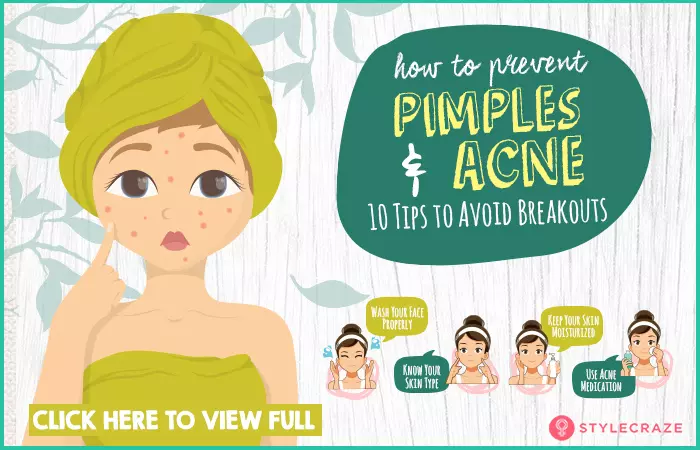
- Cleanse your skin twice daily: Use a gentle cleanser that suits your skin type to remove dirt, oil, and bacteria.
- Use non-comedogenic products: Choose products that are labeled "non-comedogenic" or "oil-free" to avoid clogging pores.
- Exfoliate regularly: Exfoliating helps remove dead skin cells and unclog pores, reducing the risk of breakouts.
- Keep your hair clean and off your face: Regularly wash your hair and keep it away from your face to prevent oil and dirt from transferring to your skin.
- Use sunscreen daily: Protect your skin from the sun's UV rays, which can exacerbate acne.
- Stay hydrated: Drink plenty of water to flush out toxins and keep your skin hydrated.
- Manage stress: High stress levels can trigger hormonal imbalances that contribute to acne.
- Get enough sleep: Lack of sleep can lead to inflammation and increased stress, making acne worse.
- Avoid picking or squeezing pimples: This can lead to further inflammation, scarring, and prolonged healing times.
- Use spot treatments: Apply spot treatments containing salicylic acid or benzoyl peroxide to individual pimples to help dry them out and reduce inflammation.
- Clean your cellphone: Regularly clean your phone to prevent dirt and bacteria from transferring to your skin.
- Avoid tight clothing: Tight clothing can irritate your skin and cause friction, leading to breakouts.
- Don't share makeup or skincare products: Sharing products can spread bacteria and cause breakouts.
- Get enough vitamins and minerals: A balanced diet rich in vitamins A, C, and E, as well as zinc and omega-3 fatty acids, can help reduce acne.
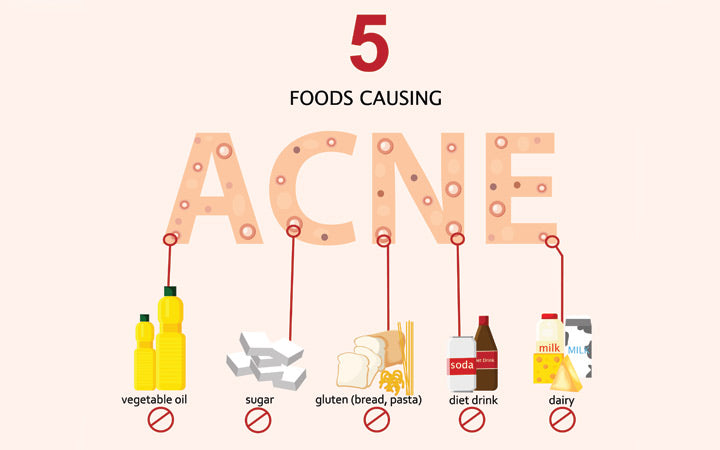
- Avoid dairy and processed foods: Some research suggests that dairy and processed foods can trigger hormonal imbalances that contribute to acne.
- Exercise regularly: Regular exercise can help reduce stress, improve mood, and boost overall health.
- Get enough probiotics: Probiotics can help maintain a healthy gut microbiome, which is linked to improved skin health.
- Use a humidifier: Dry air can dry out your skin and exacerbate acne.
- Consider consulting a dermatologist: If you're experiencing persistent or severe acne, consider consulting a dermatologist for personalized advice and treatment.
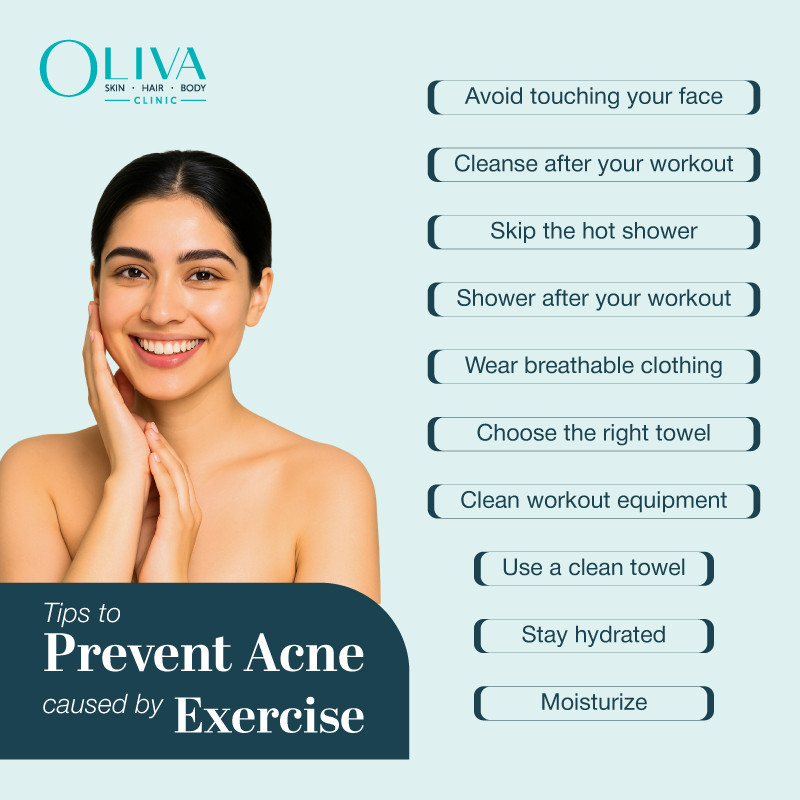
- Keep your hands away from your face: Touching your face can transfer bacteria and oils to your skin, causing breakouts.
- Stay organized: Keep track of your skincare routine, product usage, and appointment schedules to ensure consistency and prevent mistakes.


:max_bytes(150000):strip_icc()/treating-teen-acne-in-boys-15939_final-0c6e3d03ed3a470d898250961e1cba71.png "How Can I Stop My Acne From Spreading? - Necole Bitchie")