Understanding the Water Damage Restoration Process: A Comprehensive Guide
Water damage can strike unexpectedly, whether from floods, leaks, or plumbing failures. Understanding the water damage restoration process is crucial for protecting your property, minimizing losses, and ensuring a safe living environment. In this comprehensive guide, we'll walk you through everything you need to know about water damage restoration, including causes, signs, costs, and the essential steps professionals take to restore your property.
What Causes Water Damage?
Water damage can be caused by various factors, including:
- Heavy rainfall or flooding
- Leaky pipes or plumbing failures
- Appliance malfunctions, such as a washing machine or dishwasher
- Roof leaks or damaged gutters
- Overflowing sinks, toilets, or bathtubs
- Natural disasters, like hurricanes or earthquakes
Signs of Water Damage
Identifying the signs of water damage is crucial to prevent further damage and ensure a safe living environment. Some common signs of water damage include:
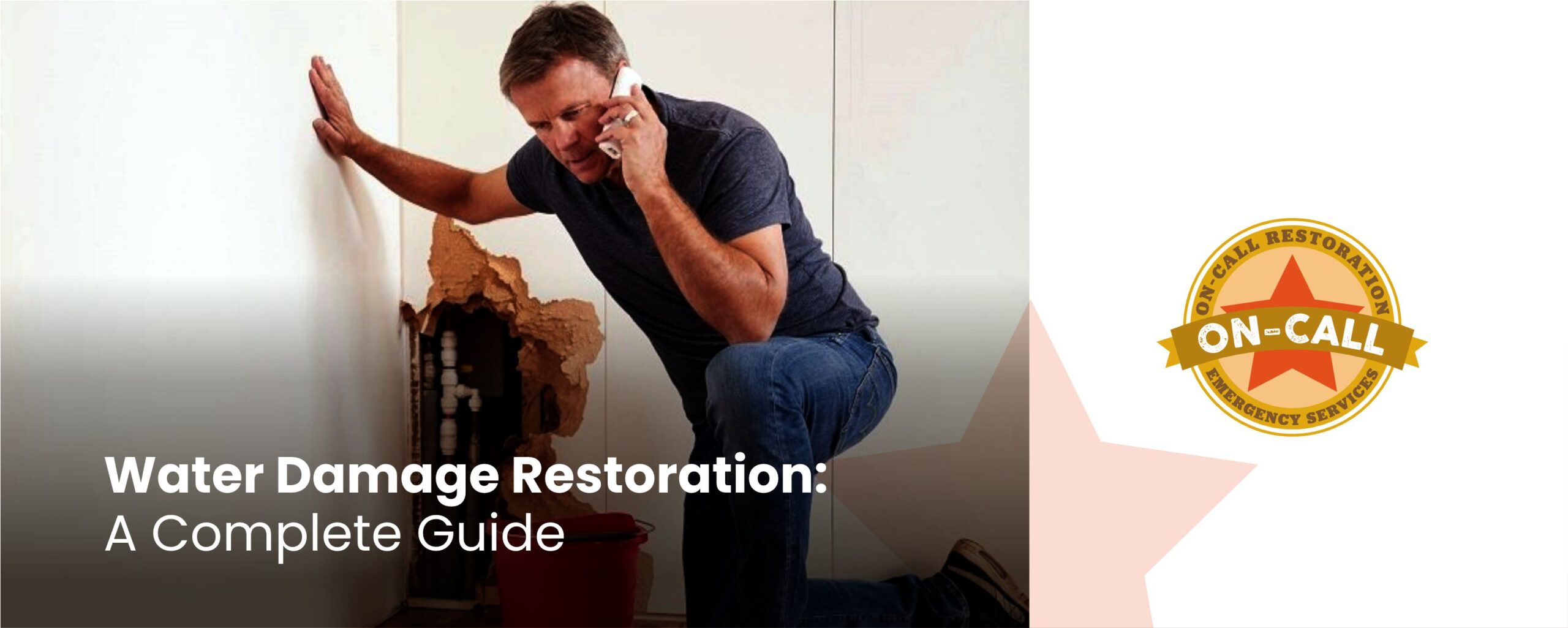
- Water stains or discoloration on walls, ceilings, or floors
- Warped or buckled flooring
- Musty odors or mildew
- Peeling paint or warping wood
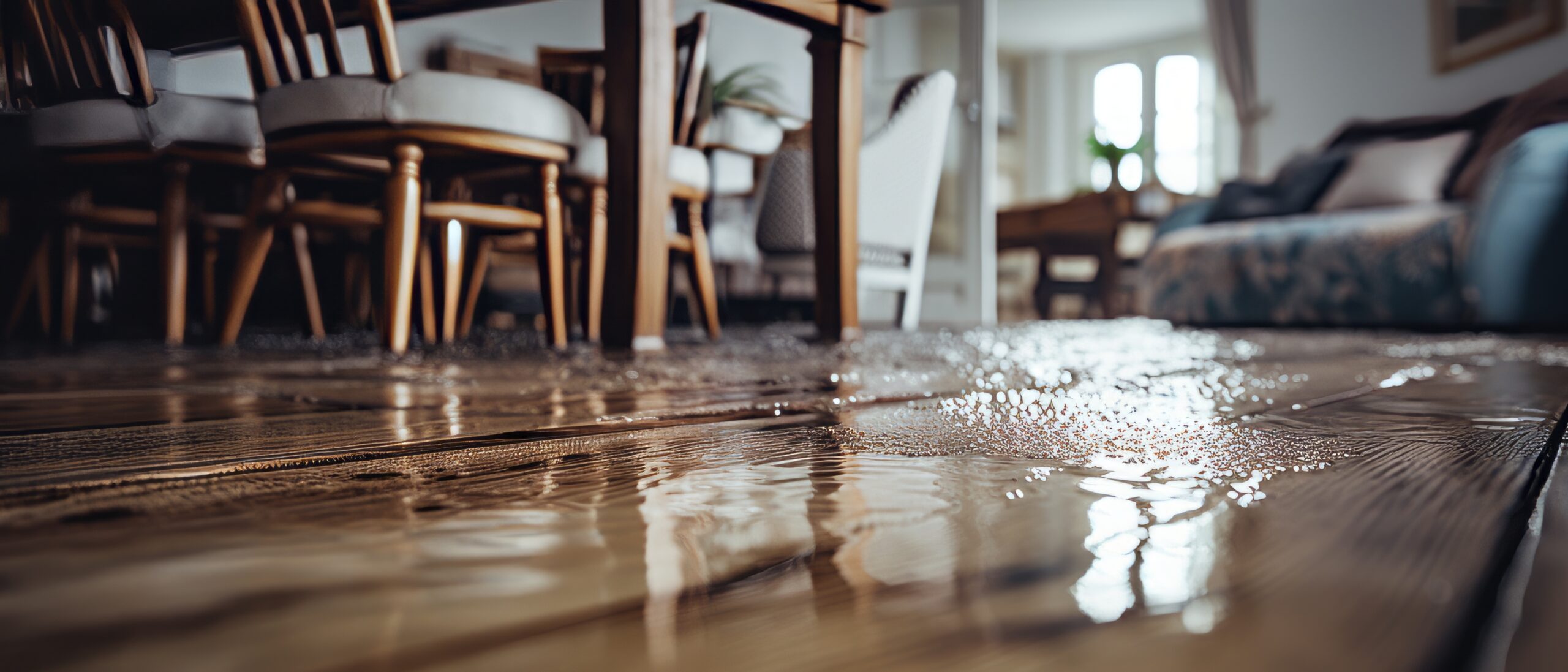
- Standing water or puddles
Costs of Water Damage Restoration
The costs of water damage restoration can vary greatly, depending on the severity of the damage and the extent of the repairs required. On average, the costs can range from $3,000 to $30,000 or more. It's essential to have a professional assessment to determine the exact costs involved.
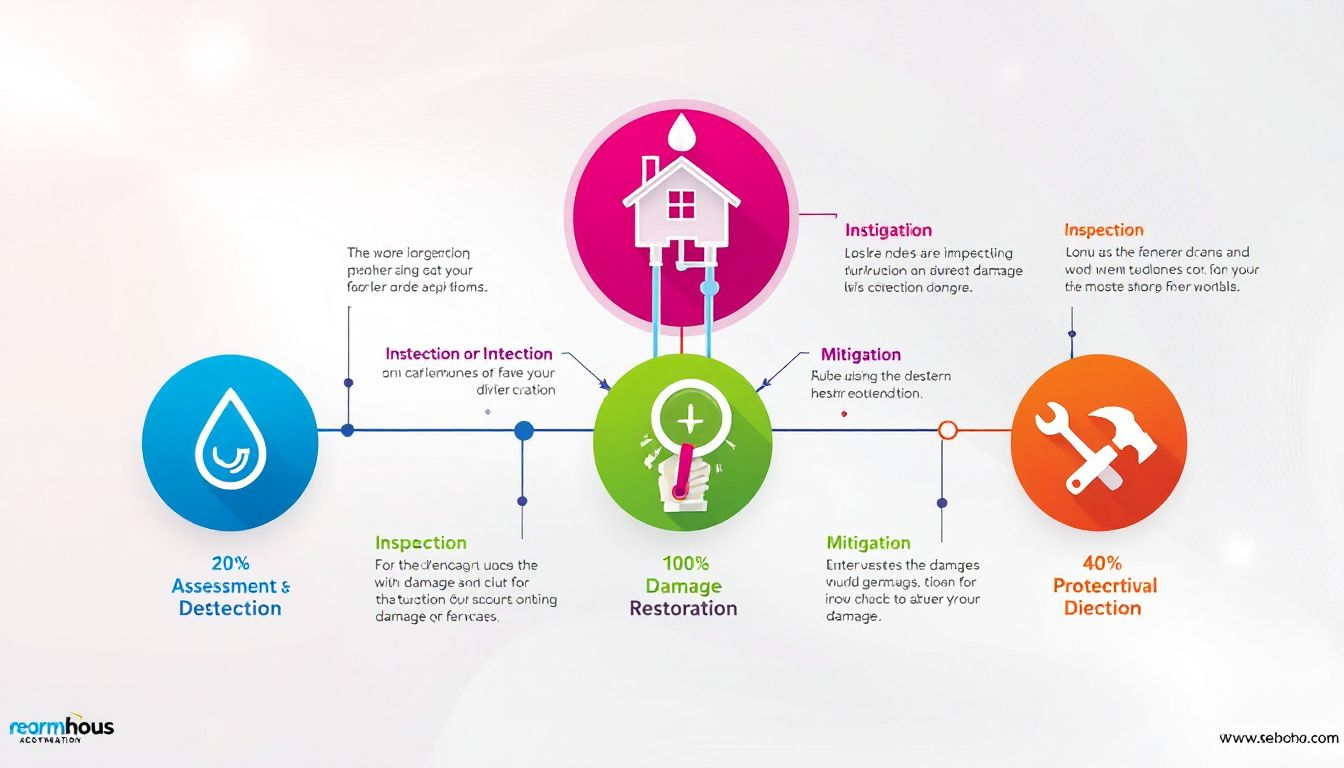
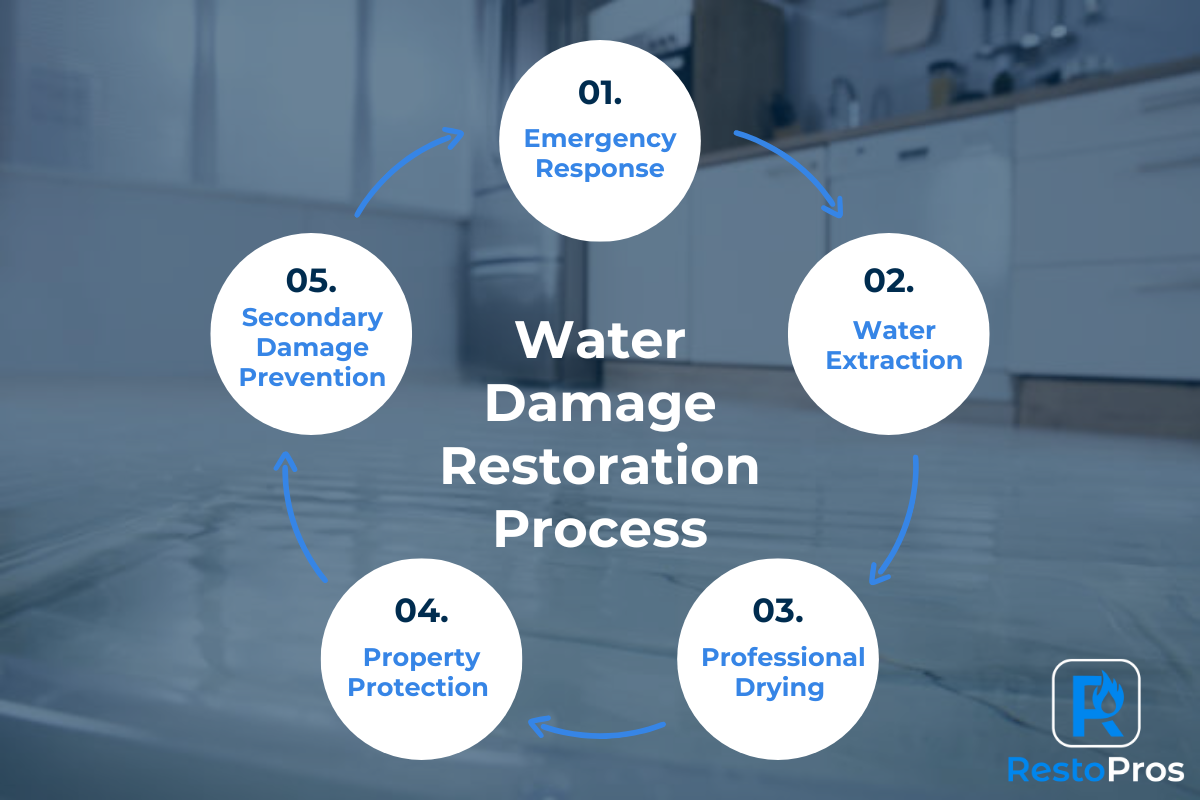
Step-by-Step Water Damage Restoration Process
Step 1: Inspection and Assessment
A professional water damage restoration technician will conduct a thorough inspection to assess the damage and identify the source of the issue.
Step 2: Water Extraction and Removal
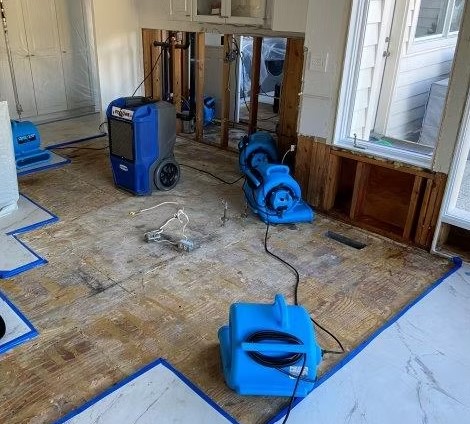
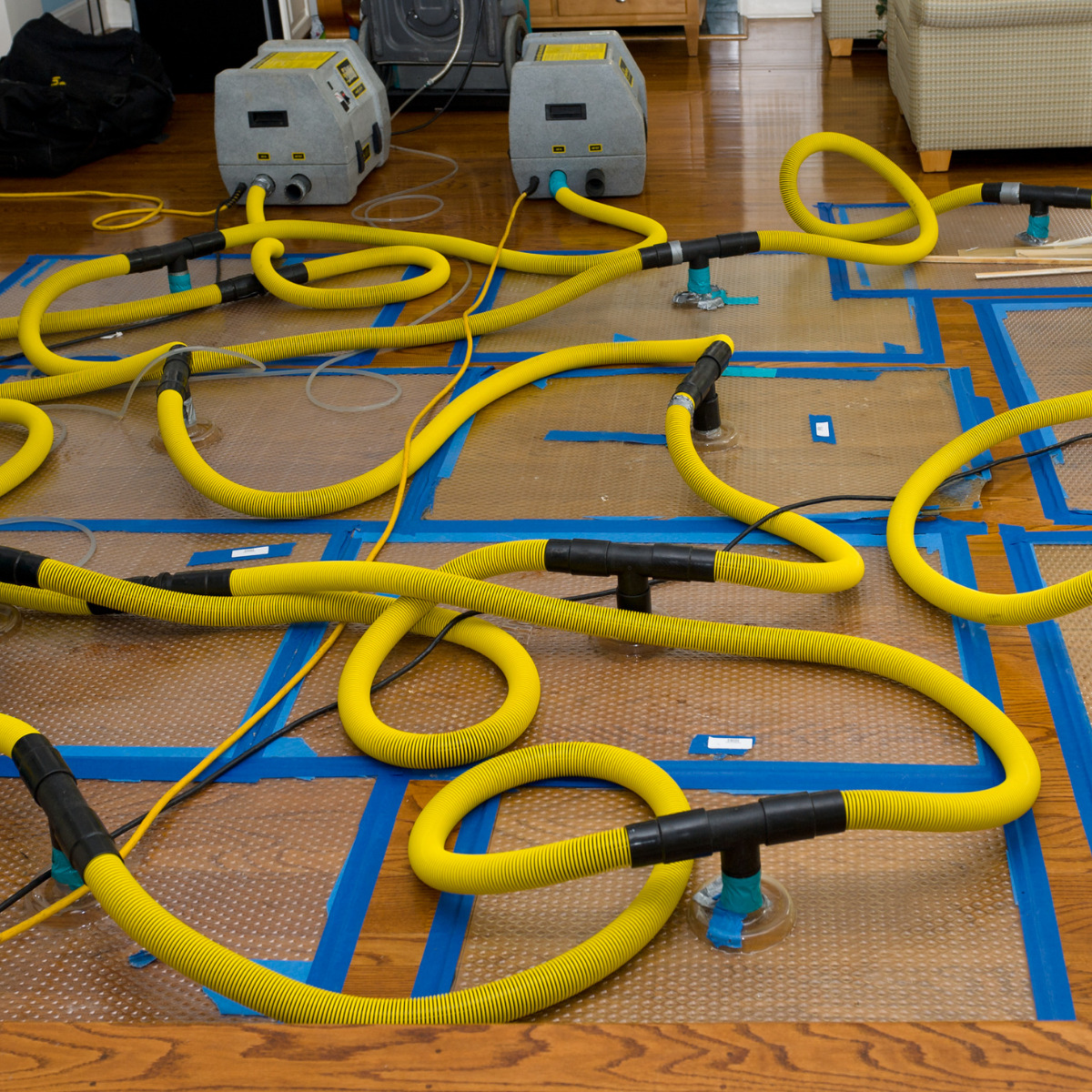
The technician will use specialized equipment to extract and remove standing water, reducing the risk of further damage and preventing the growth of mold and mildew.
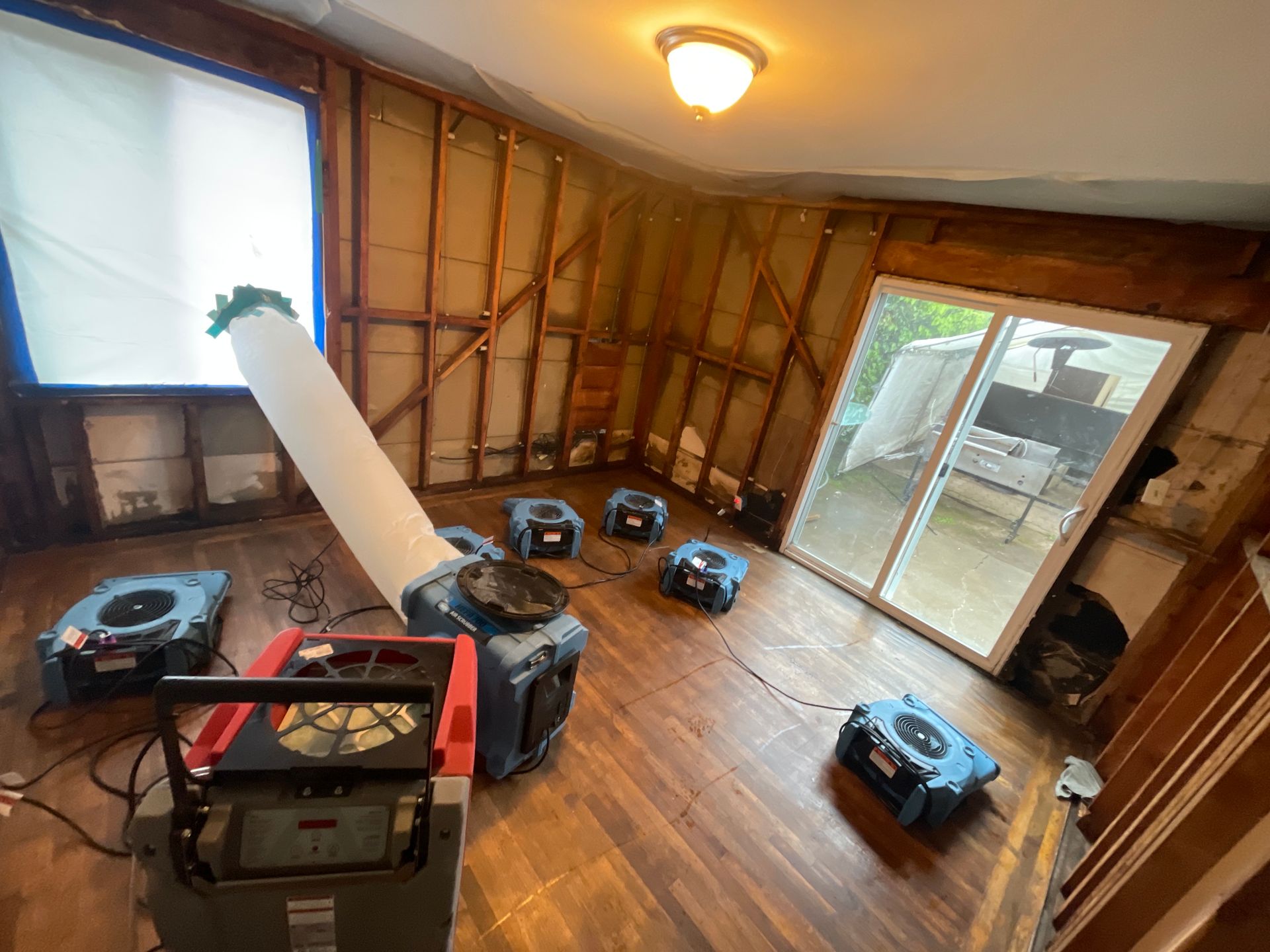
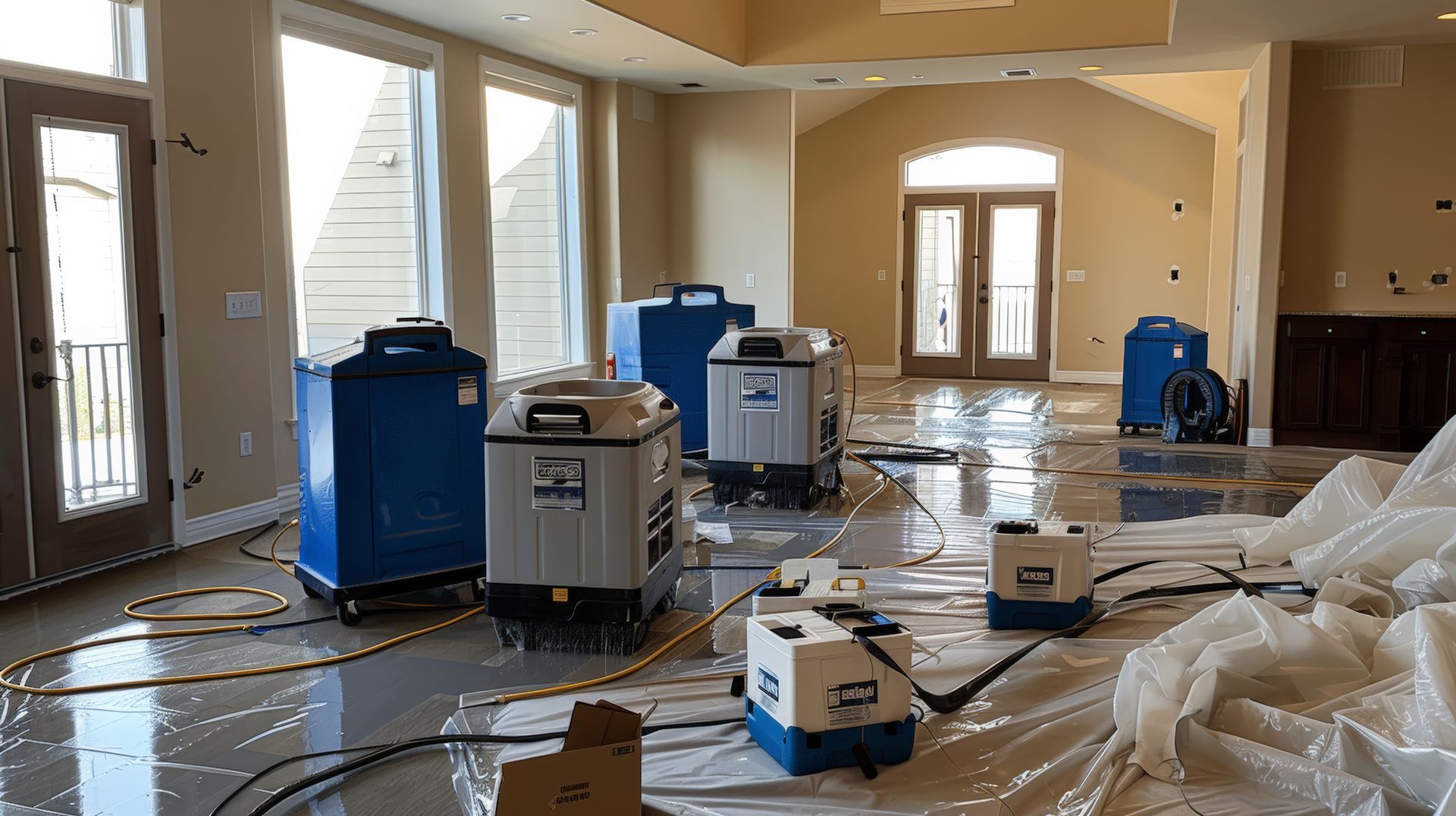
Step 3: Drying and Dehumidification
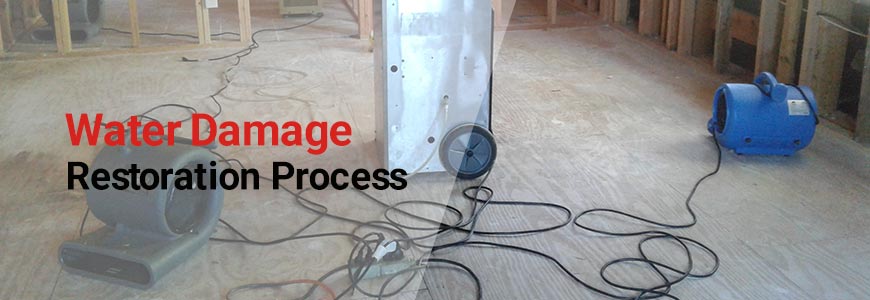
The technician will use high-velocity fans and dehumidifiers to dry and dehumidify the affected area, ensuring that the materials are thoroughly dried and preventing further damage.
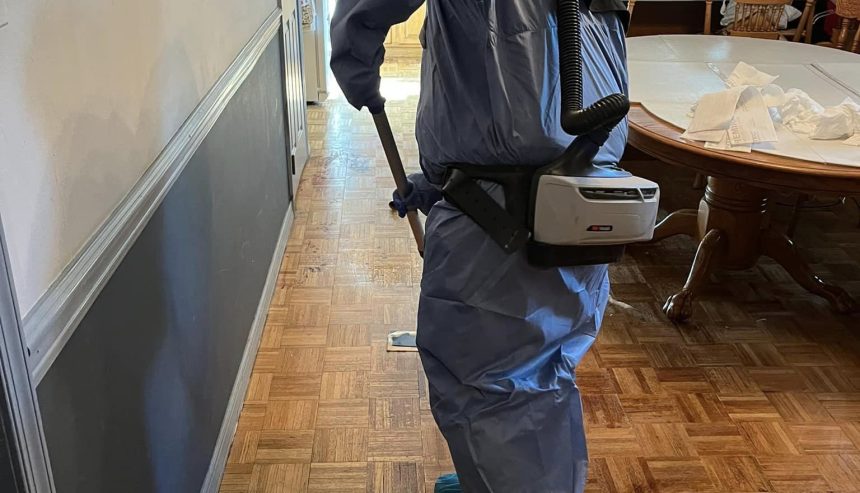
Step 4: Sanitizing and Disinfecting
The technician will use specialized cleaning solutions and equipment to sanitize and disinfect the affected area, preventing the growth of bacteria, mold, and mildew.
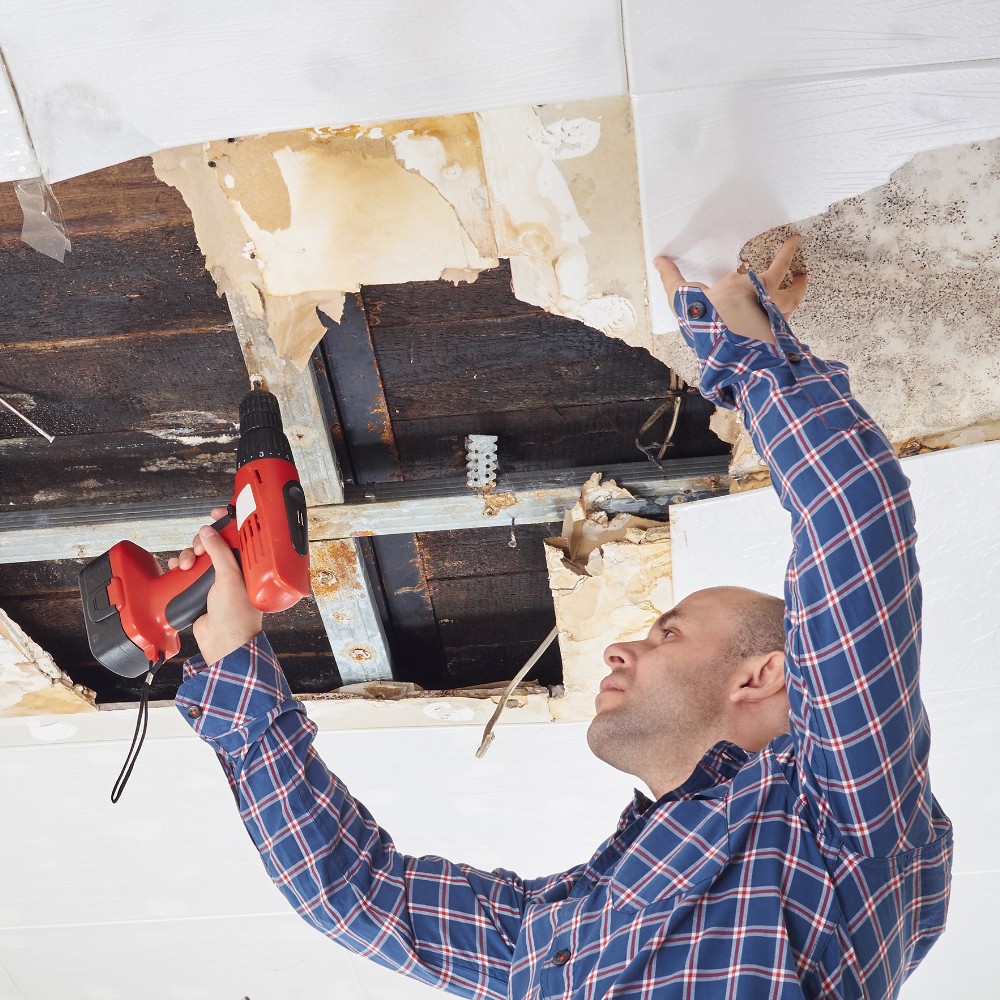
Step 5: Repair and Reconstruction
The technician will repair and reconstruct any damaged or destroyed materials, ensuring that the property is restored to its original condition.
Importance of Professional Water Damage Restoration Services
Professional water damage restoration services are essential to ensure that the damage is properly assessed, extracted, and restored. A professional technician has the necessary training, equipment, and experience to handle even the most complex water damage restoration projects.
Conclusion
Water damage restoration is a critically important process that requires expertise, precision, and prompt action. By understanding the causes, signs, costs, and steps involved in the water damage restoration process, you can take the necessary steps to protect your property and ensure a safe living environment.
Additional Resources
For more information on water damage restoration, including tips, advice, and industry insights, visit our website or contact a professional water damage restoration service provider in your area.