The Impact of Information Overload on Employee Wellbeing
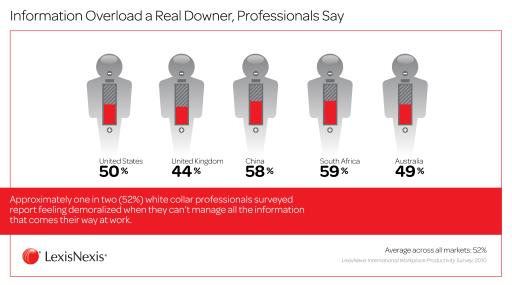
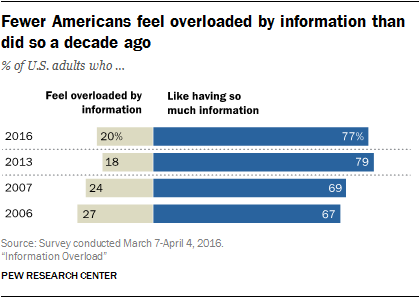
As technology continues to advance and the digital landscape expands, employees are facing increasing demands to be constantly connected, informed, and productive. However, the consequences of staying on top of an overwhelming influx of information can be detrimental to employees' mental health, including higher rates of anxiety, depression, and burnout. The impact of information overload on employee wellbeing is a growing concern, and understanding its effects is crucial for promoting a healthy work environment.
Causes of Information Overload
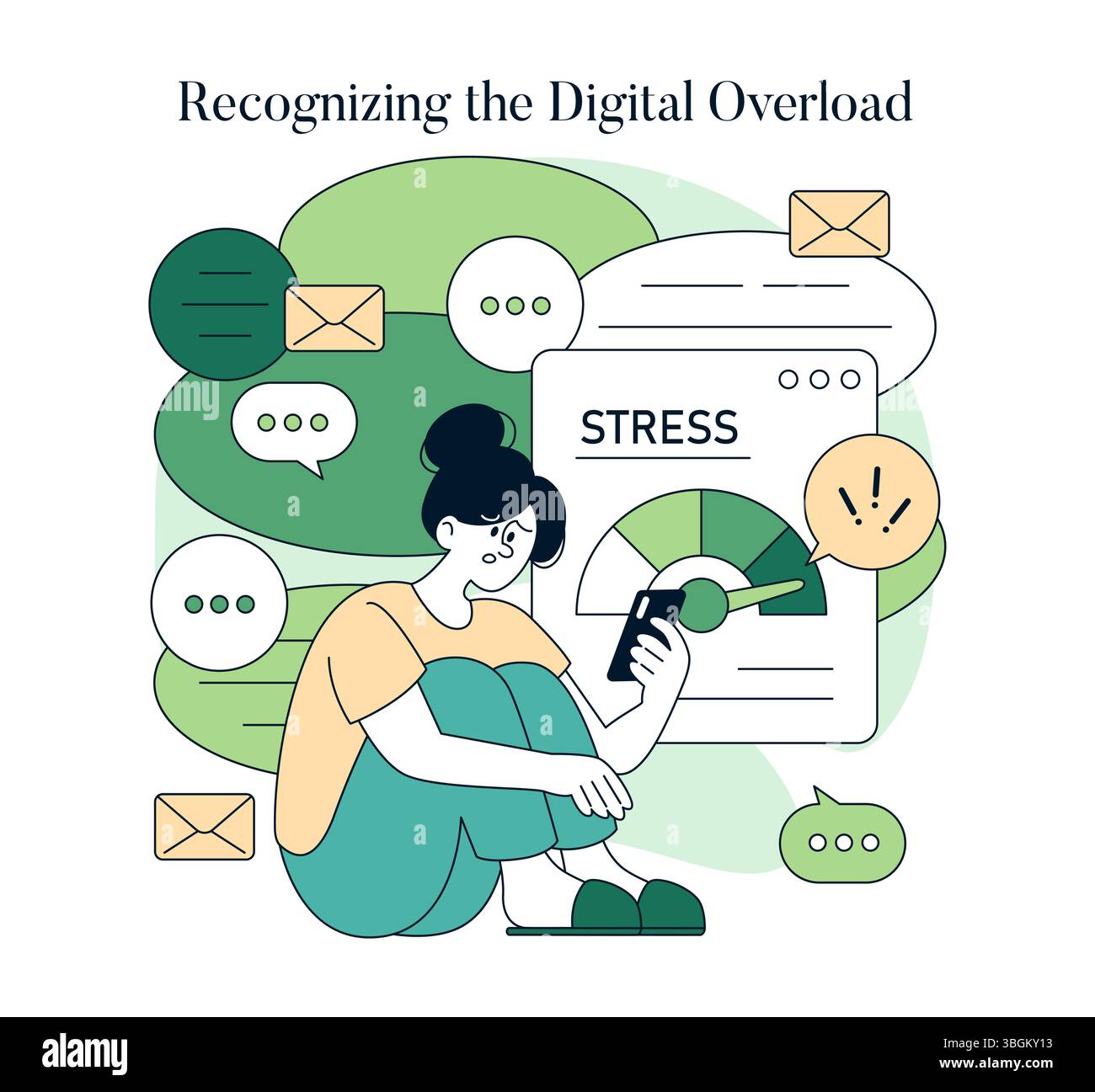
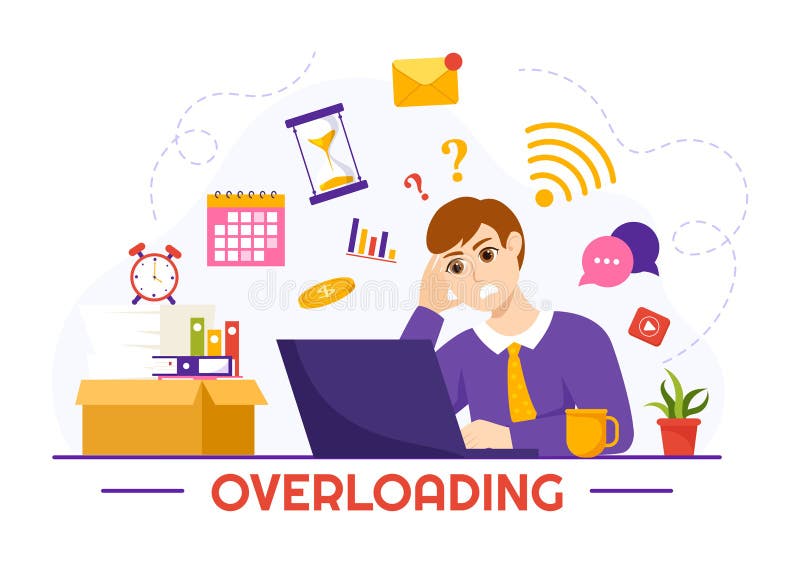
Employees today are bombarded with an unprecedented amount of information from multiple sources, including emails, messages, social media, and notifications. This continuous stream of information can cause feelings of dread, anxiety, and frustration, ultimately leading to information overwhelm. As a result, employees may experience a significant decline in their mental wellbeing, causing them to feel exhausted, irritable, and disconnected from their work and colleagues.
Consequences of Information Overload on Employee Wellbeing
Information overload and the fear of missing out (FoMO) can have severe consequences on employees' mental health, including:
- Increased stress and anxiety: The pressure to stay informed can lead to an exaggerated sense of responsibility, causing employees to feel overwhelmed and stressed out.
- Decreased productivity and performance: The constant flow of information can distract employees from their primary tasks, impacting their productivity and performance.
- Burnout and exhaustion: Prolonged exposure to information overload can lead to physical, mental, and emotional exhaustion, ultimately resulting in burnout.
- Decreased job satisfaction and engagement: Employees feeling overwhelmed by information may disengage from their work, leading to lowered job satisfaction and motivation.
- Negative impact on relationships: Information overload can lead to irritability and short-temperedness, straining relationships with colleagues, supervisors, and even family members.

Preventing Information Overload and Promoting Employee Wellbeing
Employers and employees can take steps to mitigate the negative effects of information overload and promote a healthy work environment:
- Optimize information management: Implement strategies to reduce the flow of non-essential information and prioritize important messages.
- Develop information literacy: Invest in workshops or training programs that teach employees effective strategies for information filtering, prioritization, and storage.
- Encourage work-life balance: Set realistic boundaries and expectations around work hours, encouraging employees to take breaks and disengage from work-related activities. li> SSupport employee wellbeing: Offer resources and services, such as mindfulness training, meditation, or counseling, to help employees manage their mental health and wellbeing.
Conclusion
Information overload is a pervasive issue affecting employees' mental and emotional wellbeing. Employers must acknowledge the significance of this concern and take proactive measures to support their employees' wellbeing. By optimizing information management, developing information literacy, encouraging work-life balance, and supporting employee mental health, organizations can promote a healthy work environment and mitigate the negative effects of information overload on employee wellbeing. The consequences of ignoring this issue can lead to severe consequences, including burnout, decreased job satisfaction, and negative impacts on relationships. By working together, we can create a culture of wellbeing for the modern digital workplace.