Minimize Kitchen Waste: A Guide to Sustainable Cooking and Reduced Waste
The kitchen is often the heart of the home, where meals are prepared, and memories are made. However, it's also a significant contributor to household waste. With a little creativity and planning, it's possible to minimize kitchen waste and create a more sustainable cooking space.
Understand the Impact of Kitchen Waste
Kitchen waste can have a significant impact on the environment. Food waste alone accounts for a substantial portion of municipal solid waste in the United States. By reducing kitchen waste, we can help reduce the amount of waste sent to landfills, conserve natural resources, and mitigate the environmental impacts of food production.
Smart Storage and Meal Planning
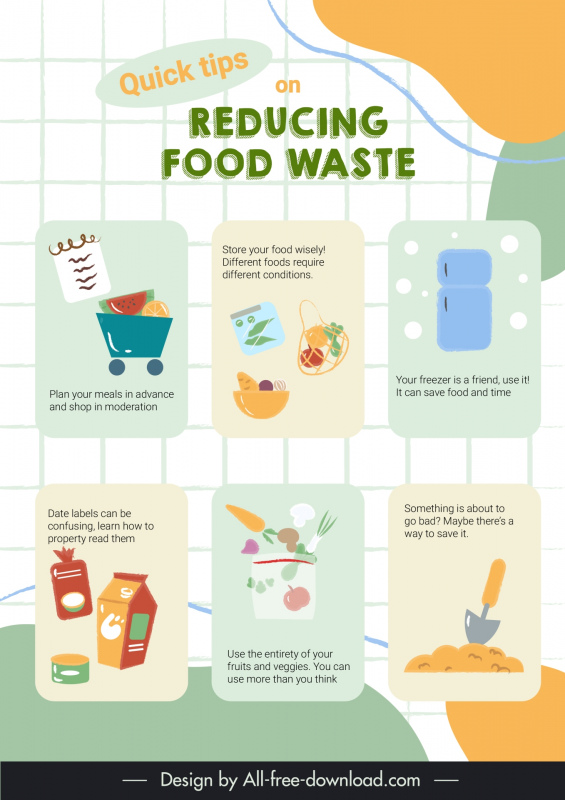
One of the most effective ways to minimize kitchen waste is through smart storage and meal planning. By planning meals in advance and storing food properly, you can reduce the likelihood of spoilage and avoid buying unnecessary items.
Take stock of your pantry, fridge, and freezer before planning meals to avoid duplicate purchases and reduce waste.
Plan meals around what's in season and on sale to reduce food waste and save money.
Use a "first in, first out" system to ensure that older items are used before they expire.
Composting and Repurposing
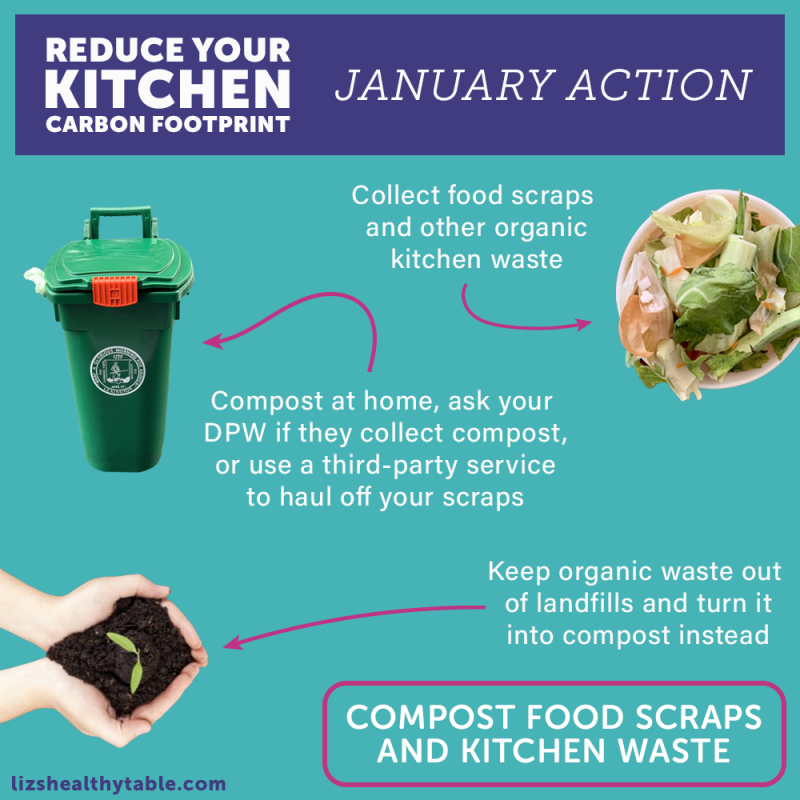
Composting and repurposing are two effective ways to reduce kitchen waste and create a more sustainable cooking space.
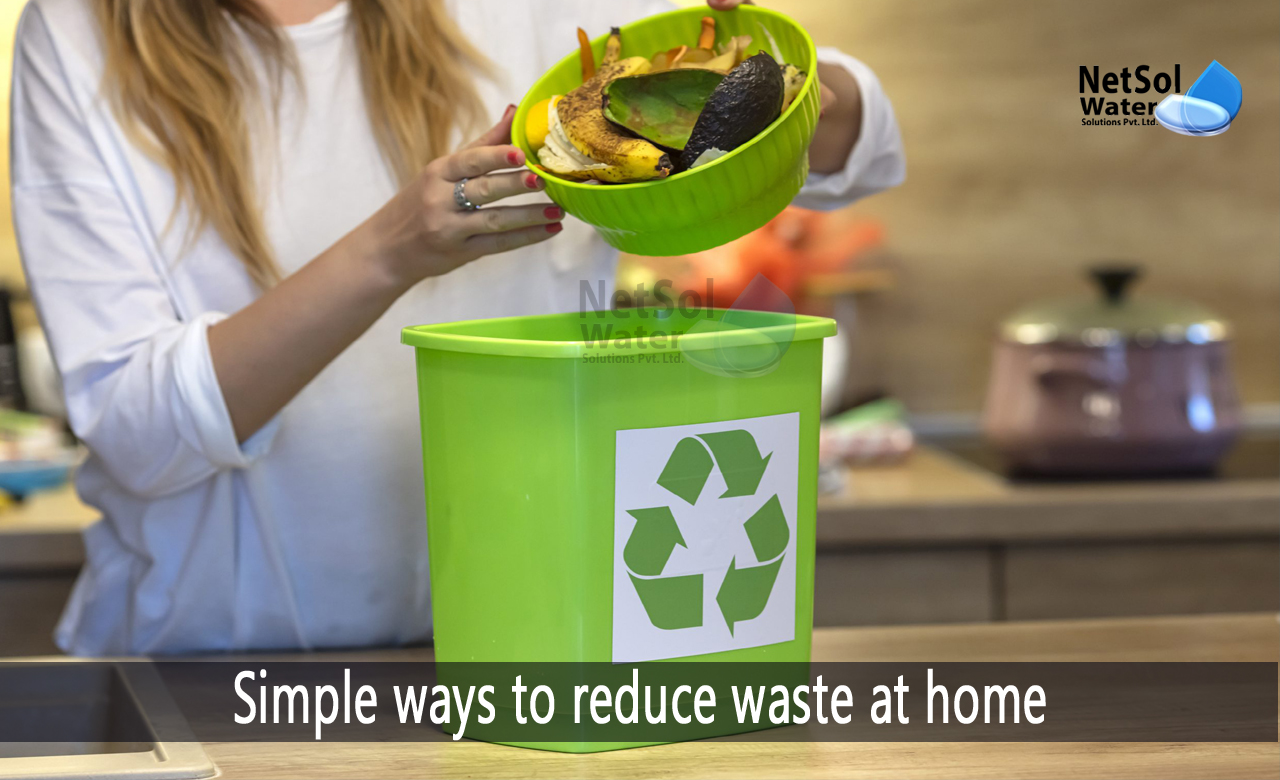
Composting involves breaking down food waste into nutrient-rich soil that can be used to fertilize plants.
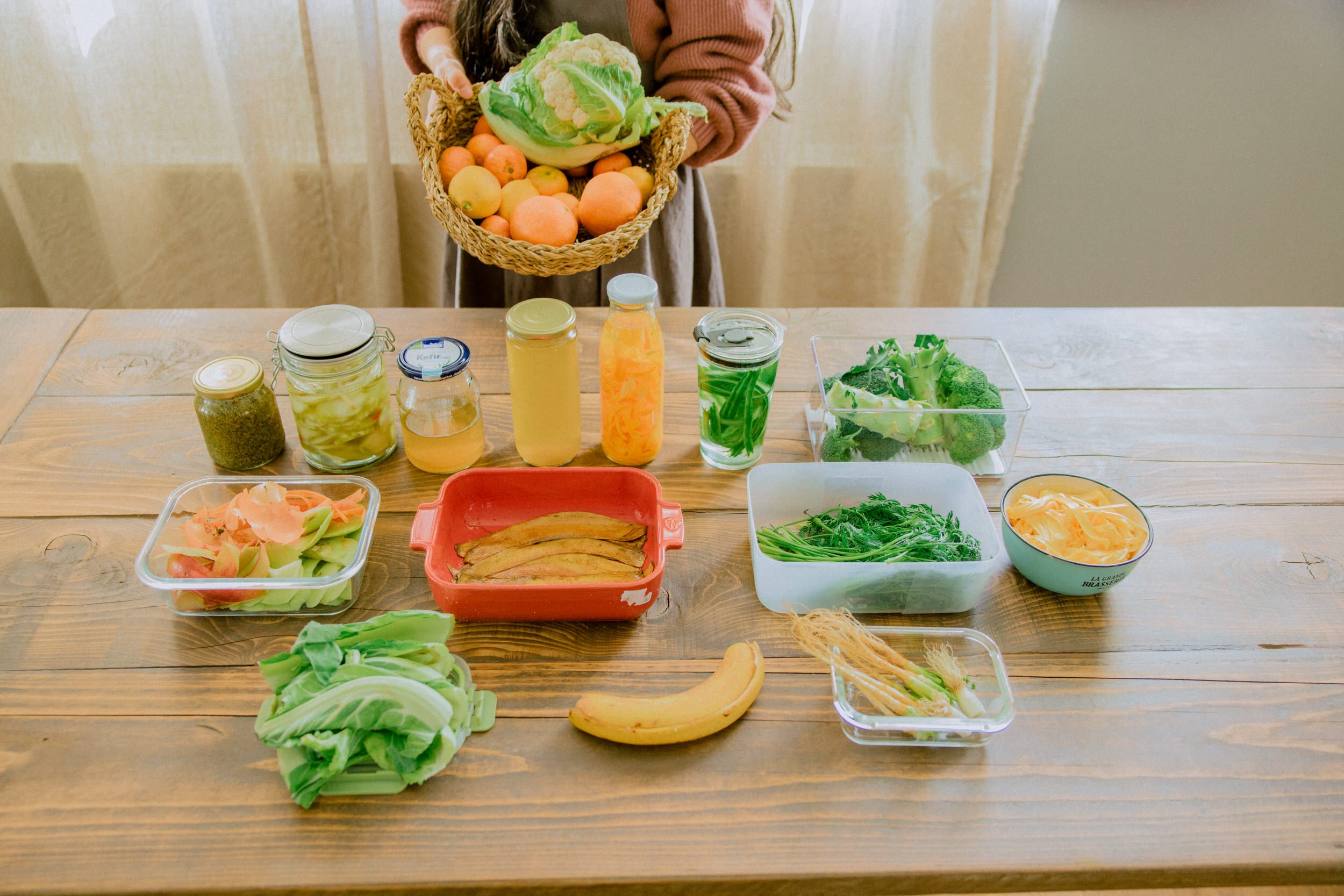
Repurposing involves finding creative ways to reuse kitchen scraps, such as turning vegetable peels into broth or using eggshells as garden fertilizer.
Reducing Food Packaging
Innovative Repurposing Ideas
From creative ways to reuse kitchen scraps to turning old items into new ones, innovative repurposing ideas can help minimize kitchen waste and create a more sustainable cooking space.
Use old jars to store spices, oils, or condiments.
Turn old t-shirts into reusable cleaning rags or dishcloths.
Use old coffee grounds as fertilizer for plants.
Transform old cardboard tubes into plant markers or craft projects.
Smart Shopping Habits
Smart shopping habits can also help minimize kitchen waste and create a more sustainable cooking space.
Buy in bulk and plan meals around what's on sale.
Choose products with minimal packaging or those that use biodegradable or recyclable materials.
Shop at local farmers' markets or join a community-supported agriculture (CSA) program to reduce transportation waste and support local producers.
Easy Food Waste Solutions
Easy food waste solutions can help minimize kitchen waste and create a more sustainable cooking space.
Use a "clean out the fridge" system to reduce food waste and avoid buying unnecessary items.
Shop your fridge and pantry first before heading to the store to avoid duplicate purchases.
Freeze leftovers or use them to make new meals.
Benefits of Reducing Kitchen Waste
Reducing kitchen waste has numerous benefits, including:
Conserving natural resources and reducing the environmental impacts of food production.
Saving money by reducing food waste and avoiding unnecessary purchases.
Creating a more sustainable cooking space and promoting healthy eating habits.
Reducing the amount of waste sent to landfills and conserving space in local landfills.
Conclusion
Minimizing kitchen waste is a simple and effective way to create a more sustainable cooking space and promote healthy eating habits. By implementing smart storage and meal planning strategies, composting and repurposing food scraps, reducing food packaging, and adopting smart shopping habits, we can significantly reduce kitchen waste and contribute to a more sustainable future.