Best Ways to Protect Yourself from Online Stalking
In today's digital age, online stalking has become a growing concern. With the rise of social media and the internet, it's easier than ever for stalkers to find and harass their victims. If you're a victim of online stalking or want to know how to protect yourself, this article will provide you with valuable tips and information to help you stay safe online.
Understanding Online Stalking
Cyberstalking is the repeated act of harassment and stalking online or contacting someone on digital platforms against their wishes. It can take many forms, including sending threatening or harassing messages, posting derogatory comments, or even creating fake social media profiles to impersonate the victim.
Warning Signs of Online Stalking
- Unwanted messages or comments on social media or online forums
- Strange or suspicious emails or phone calls
- Online searches or monitoring of your online activities
- Posting of private or personal information online without your consent
Protecting Yourself from Online Stalking
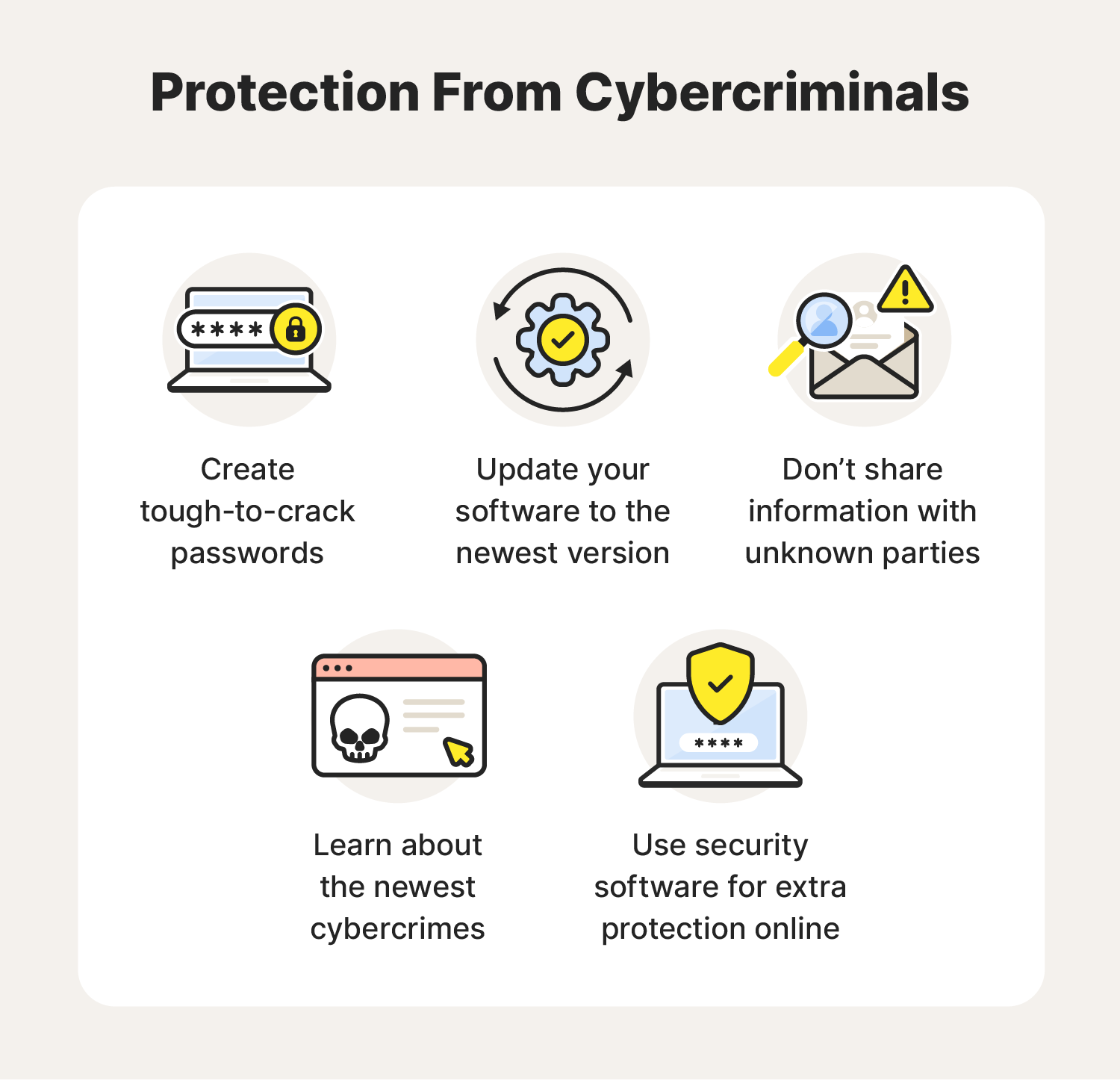
The best way to protect yourself from online stalking is to take proactive steps to secure your online presence. Here are some tips to help you do so:
1. Secure Your Online Accounts
- Use strong and unique passwords for all online accounts
- Enable two-factor authentication (2FA) whenever possible
- Monitor your account activity and report any suspicious behavior
2. Monitor Your Online Presence
- Regularly check your social media and online profiles for any suspicious activity
- Use online search engines to check for any private or personal information that may be publicly available
- Consider using a reputation management service to monitor your online presence

3. Avoid Engaging with Stalkers
- Don't respond to or engage with messages or comments from suspicious individuals
- Block or report any accounts that are sending you harassing or threatening messages
- Don't share personal or private information with anyone online
4. Use Privacy-Focused Browsers and Extensions
- Use a browser that prioritizes privacy and security, such as Tor or Brave
- Install ad blockers and anti-tracking extensions to limit online tracking
- Consider using a virtual private network (VPN) to mask your IP address
5. Report Online Stalking
- Report any suspicious or harassing activity to the relevant social media platforms or online services
- File a police report if you believe you're a victim of online stalking
- Consider seeking help from a crisis hotline or support service
Conclusion
Online stalking is a serious issue that can have serious consequences for victims. By taking proactive steps to secure your online presence and monitoring for suspicious activity, you can reduce your risk of being targeted by online stalkers. Remember to always prioritize your safety and well-being online, and don't hesitate to seek help if you believe you're a victim of online stalking.
Additional Resources
For more information and resources on online stalking and cyberstalking, please visit the following websites:
- National Cyber Crime Reporting Hotline (NC3)
- Cyber Civil Rights Initiative (CCRI)
- WomensLaw
- FBI Internet Crime Complaint Center (IC3)