Blurred Vision Symptoms: Understanding the Causes and Seeking Relief
When your vision is blurry, it becomes difficult for you to see sharply or clearly. Blurry vision is a common problem, and it has many causes. Whether the blurriness came on gradually or suddenly, identifying the underlying cause is essential to getting the right treatment and improving your vision.
Blurred Vision: A Common Symptom with Many Potential Causes
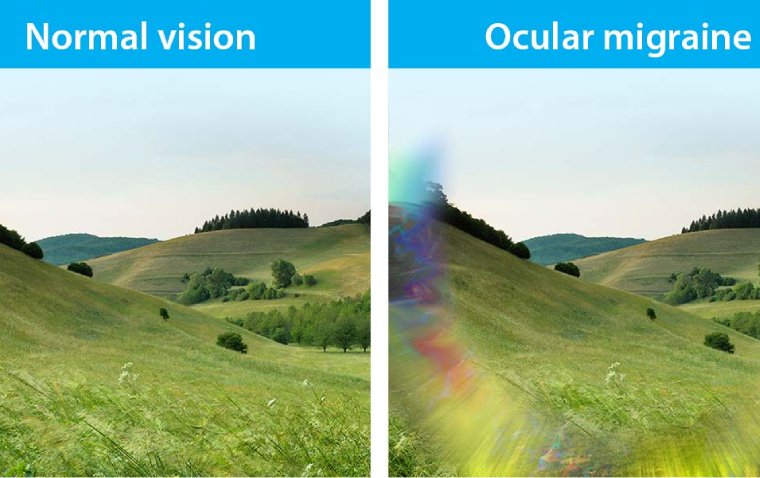
Blurry vision can make objects look fuzzy and out of focus. This condition can occur in one eye or both eyes and can be caused by a variety of factors, including eye problems, medical conditions, and lifestyle habits.
Causes of Blurred Vision
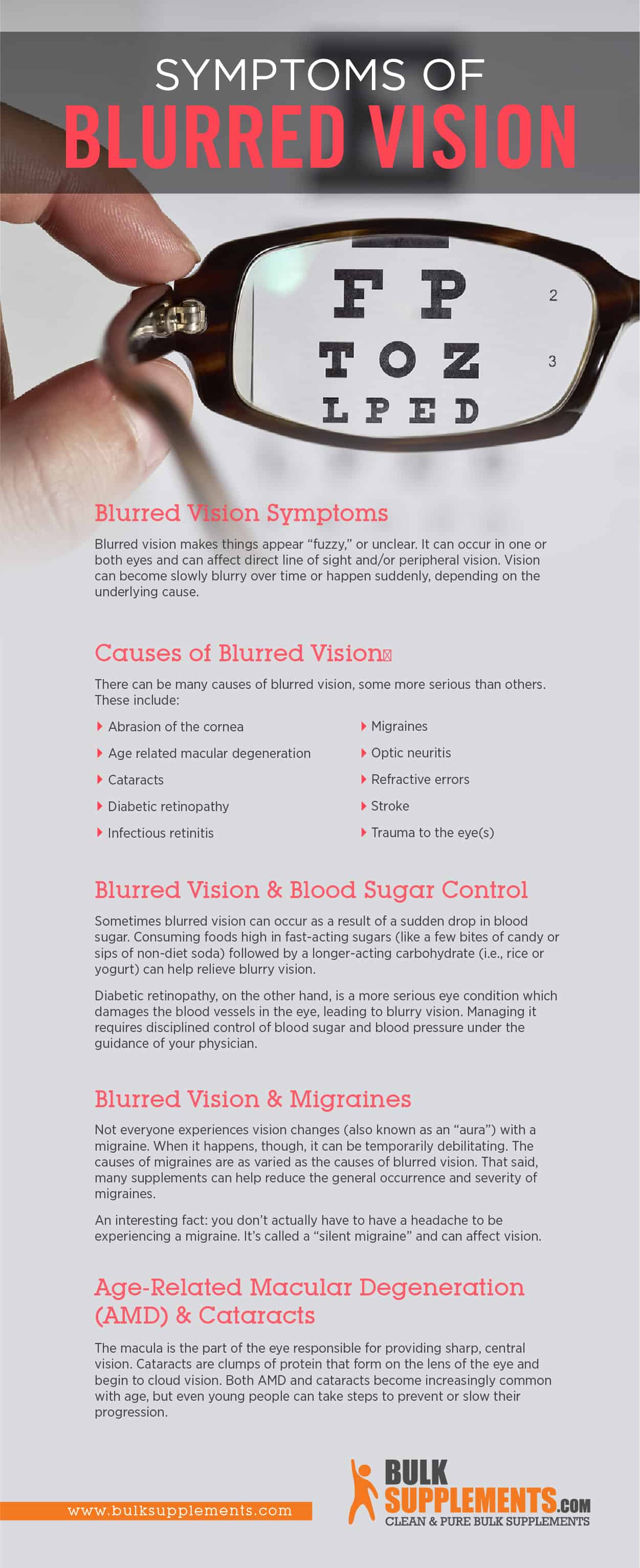
- Refractive errors: Such as nearsightedness, farsightedness, and astigmatism
- Eye strain and fatigue: Caused by prolonged use of computers, smartphones, or other digital devices
- Dry eyes: A common condition that occurs when the eyes do not produce enough tears or the tears are not of good quality
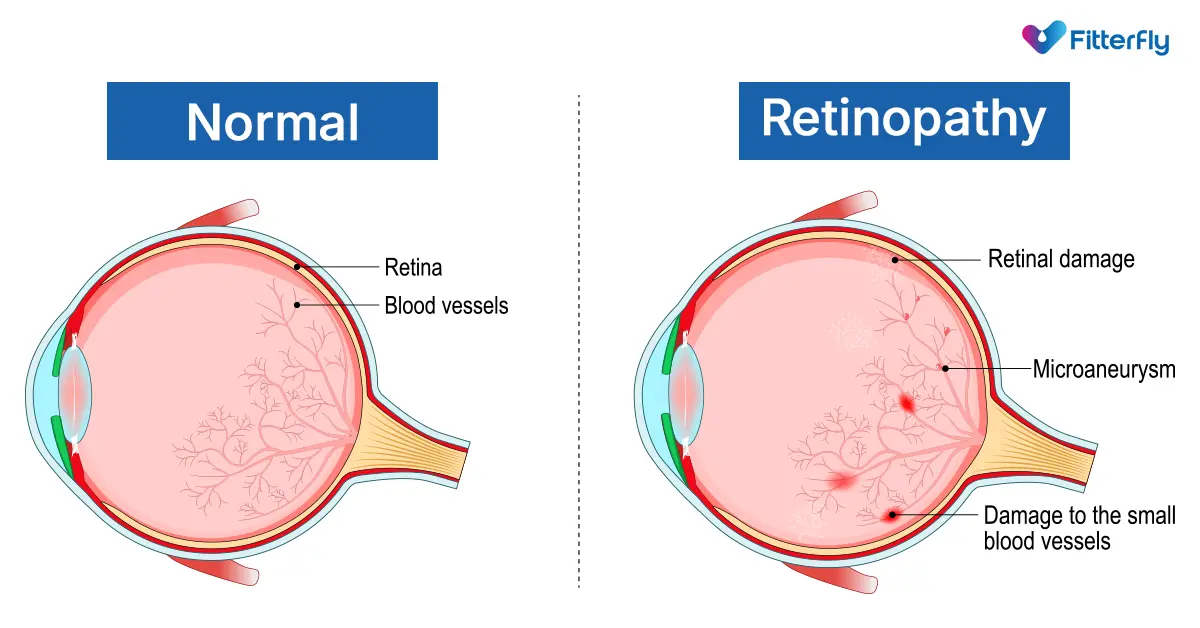
- Diseases: Such as cataracts, glaucoma, and diabetes-related retinopathy
- Medications: Certain medications can cause blurred vision as a side effect
- Brain and nerve disorders: Such as stroke, multiple sclerosis, and seizures
Blurred Vision in One Eye vs. Both Eyes
While blurry vision can occur in one eye or both eyes, it's essential to seek medical attention if you experience symptoms in just one eye. In some cases, blurred vision in one eye can be a sign of a serious underlying condition that requires immediate treatment.
Sudden Blurred Vision: When to Seek Medical Attention
Sudden blurred vision may be a simple inconvenience or a medical emergency. If you experience any of the following symptoms, seek medical attention immediately:

- Severe headache
- Double vision
- Numbness or weakness in any part of your body
- Difficulty speaking
- Confusion or disorientation
- Stroke symptoms
Managing Blurred Vision
While some causes of blurred vision can be treated with glasses or contact lenses, others may require more invasive treatments, such as surgery or medication. In some cases, changing your lifestyle habits, such as reducing screen time or getting regular eye exams, can help alleviate blurred vision symptoms.
Preventing Blurred Vision in the Future
Preventing blurred vision involves maintaining a healthy lifestyle, getting regular eye exams, and being mindful of your eye health. Some tips to prevent blurred vision include:
- Getting regular eye exams to detect any potential eye problems early
- Wearing corrective lenses or glasses as prescribed
- Following proper hygiene practices when wearing contact lenses
- Limiting screen time or taking regular breaks when using digital devices
- Getting enough sleep and maintaining a healthy diet
Conclusion
Blurred vision is a common symptom with many potential causes. By understanding the causes of blurred vision and seeking medical attention when necessary, you can take the first step towards improving your vision and preventing long-term eye damage.