The Future of Hyperconnectivity: A World Beyond Next-Generation Networks
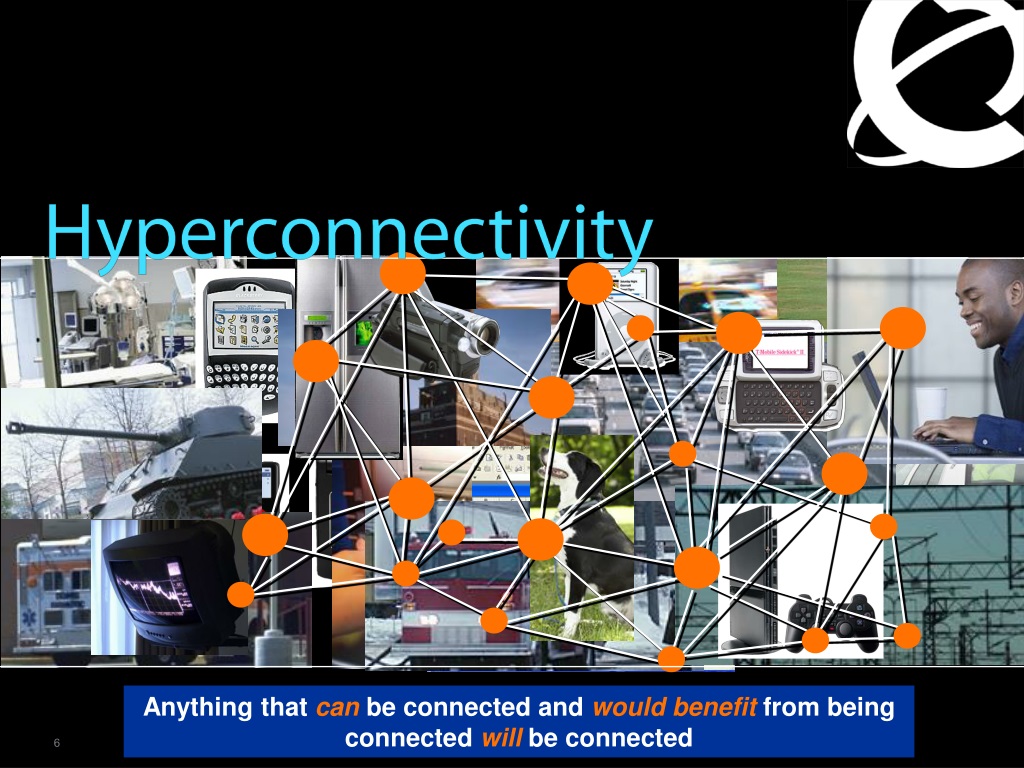
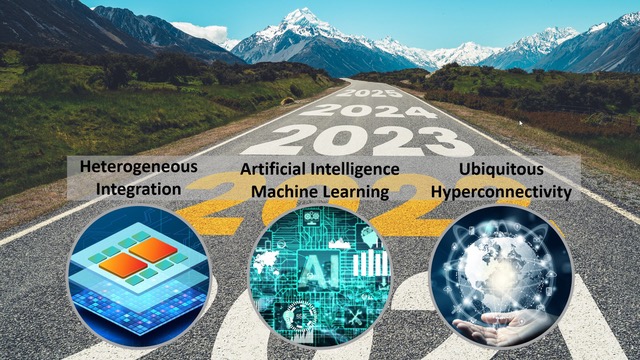
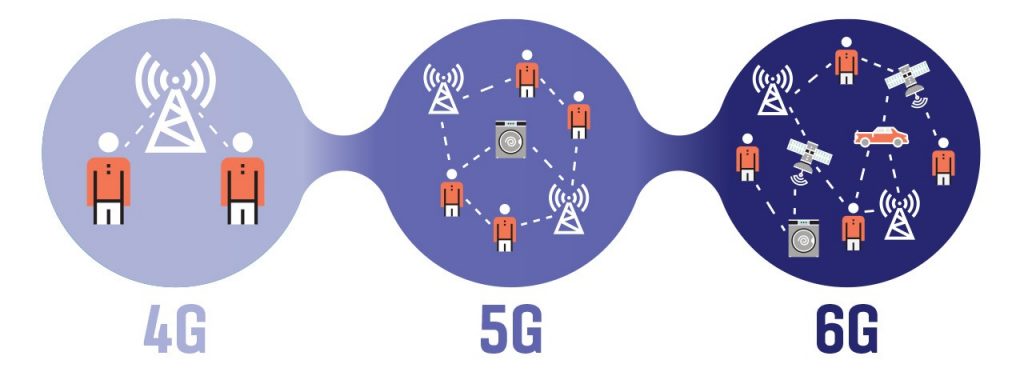
The world is in the midst of a profound technological transformation, driven by the rapid proliferation of hyperconnectivity. This phenomenon is redefining the way we live, work, and interact with one another. The term "hyperconnectivity" refers to the seamless integration of devices, networks, platforms, and people enabled by advancements such as 5G, IoT, AI, and cloud computing. In this article, we will delve into the implications, applications, benefits, and challenges of hyperconnectivity, all of which will shape the future of our connected world.Defining Hyperconnectivity
Hyperconnectivity is a term coined by Canadian social scientists Anabel Quan-Haase and Barry Wellman, arising from their studies of person-to-person and person-to-machine communication in networked organizations and networked societies. It encompasses the seamless interaction between devices, networks, platforms, and people, enabled by the integration of various technologies. This phenomenon has the potential to create a world where everything is connected, from devices to people, and where data flows freely between them.The Increasing Demand for Hyperconnectivity
The demand for hyperconnectivity is driven by the exponential growth of connected devices. According to Frost & Sullivan, the number of connected devices across the globe is projected to increase from 30.4 billion in 2020 to 200 billion in 2030. This growth will be fueled by the increasing adoption of IoT, AI, and 5G technologies, which will enable faster, more reliable, and more widespread connectivity.Benefits of Hyperconnectivity
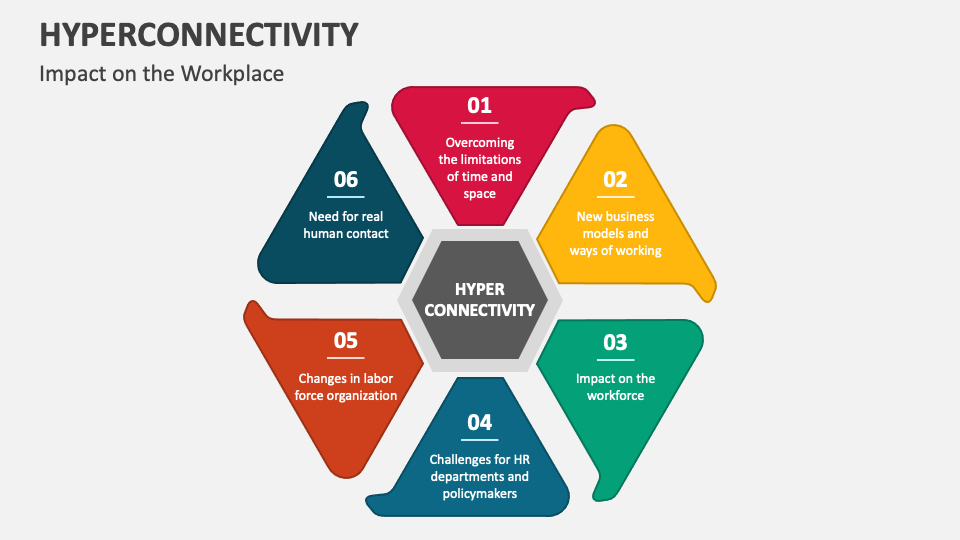
Hyperconnectivity offers numerous benefits, including: * Increased efficiency and productivity * Improved global connectivity and collaboration * Enhanced economic growth and innovation * Better access to education, healthcare, and financial services * Increased transparency and accountabilityChallenges of Hyperconnectivity