Coffee and Pregnancy Safety Guidelines: A Comprehensive Review
As a pregnant woman, you're likely no stranger to the debates surrounding caffeine consumption during pregnancy. With the numerous studies and guidelines available, it's easy to get confused about what's safe and what's not. In this article, we'll delve into the world of coffee and pregnancy safety guidelines, providing you with a comprehensive review of the latest research and expert advice.Understanding Caffeine and Pregnancy
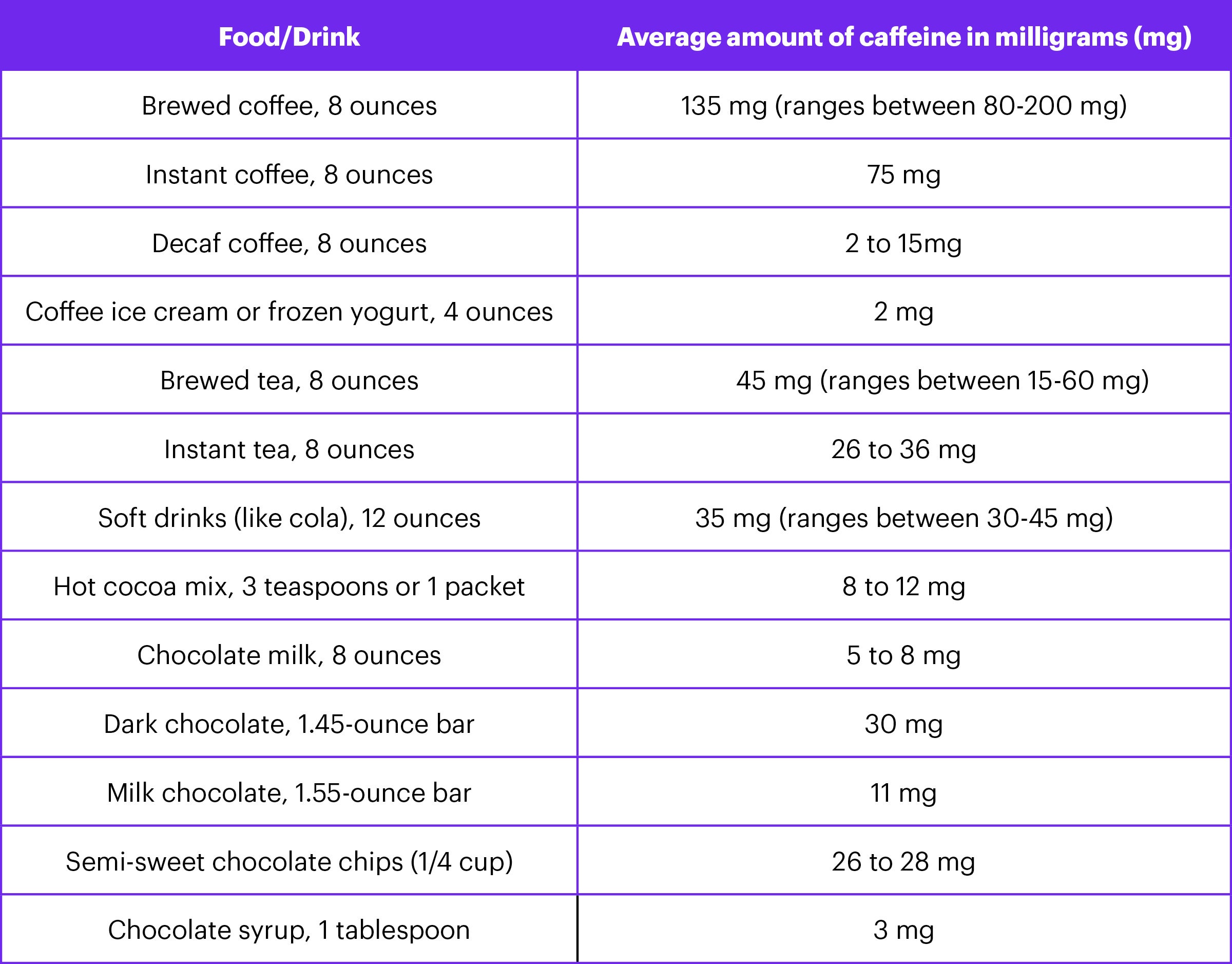
Caffeine is the most widely consumed stimulant in the world, and it's found in a variety of products, including coffee, tea, chocolate, energy drinks, and soft drinks. During pregnancy, caffeine clearance from the mother's blood slows down significantly, resulting in higher levels of caffeine in the bloodstream for longer periods. This can lead to an increased risk of miscarriage, preterm birth, and low birth weight.Recommended Daily Caffeine Intake During Pregnancy
The U.S. Dietary Guidelines for Americans (DGA) and the European Food Safety Authority (EFSA) both recommend that pregnant women limit their caffeine intake to less than 200 milligrams per day. This is equivalent to about one to two cups of coffee per day. However, it's essential to note that individual tolerance to caffeine can vary greatly, and some women may experience adverse effects at much lower levels.Sources of Caffeine During Pregnancy
While coffee is one of the most common sources of caffeine, it's not the only one. Other products that contain caffeine include: * Tea * Chocolate * Energy drinks * Soft drinks * Certain medicationsDecaffeinated Coffee and Pregnancy
Decaffeinated coffee is often considered a safer alternative to regular coffee during pregnancy. However, it's essential to note that decaf coffee can still contain small amounts of caffeine. According to the FDA, decaf coffee can contain up to 0.1% caffeine by weight. While this may seem like a small amount, it can still contribute to overall caffeine intake.Guidelines for Pregnant Women