FOMO in Marketing Strategy Development: Boosting Conversions and Engagement
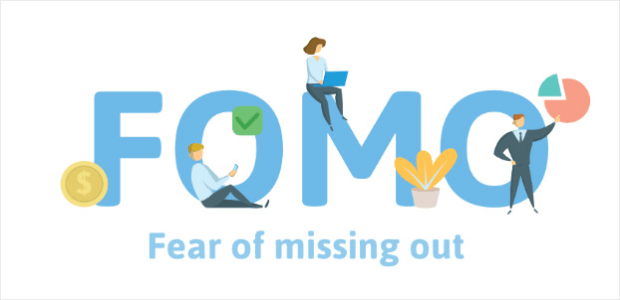
In today's fast-paced digital landscape, businesses need to think creatively to capture their audience's attention. One strategy that has gained significant traction in recent years is FOMO (Fear of Missing Out) marketing. By leveraging the psychological phenomenon of FOMO, marketers can create urgency, exclusivity, and scarcity around their products or services, driving consumers to take immediate action.
What is FOMO Marketing?
FOMO marketing is a psychological strategy that taps into consumers' anxiety about missing rewarding experiences, limited offers, or exclusive opportunities. By creating a sense of urgency and scarcity, businesses can motivate consumers to make a purchase or take a specific action. This strategy is particularly effective in e-commerce, where consumers are bombarded with choices and need to be incentivized to make a decision.
Key Tactics for FOMO Marketing Strategy Development
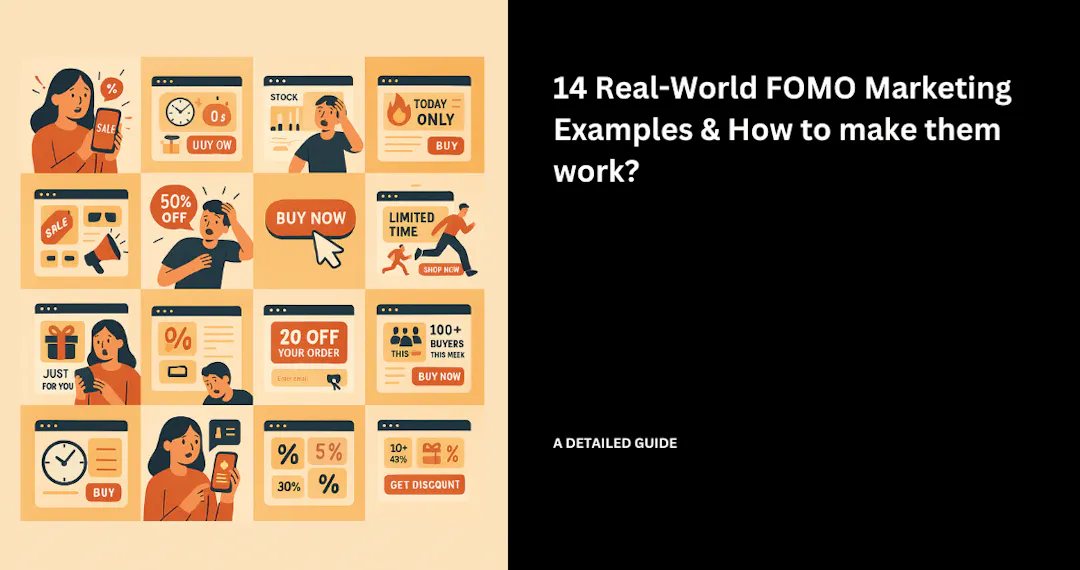
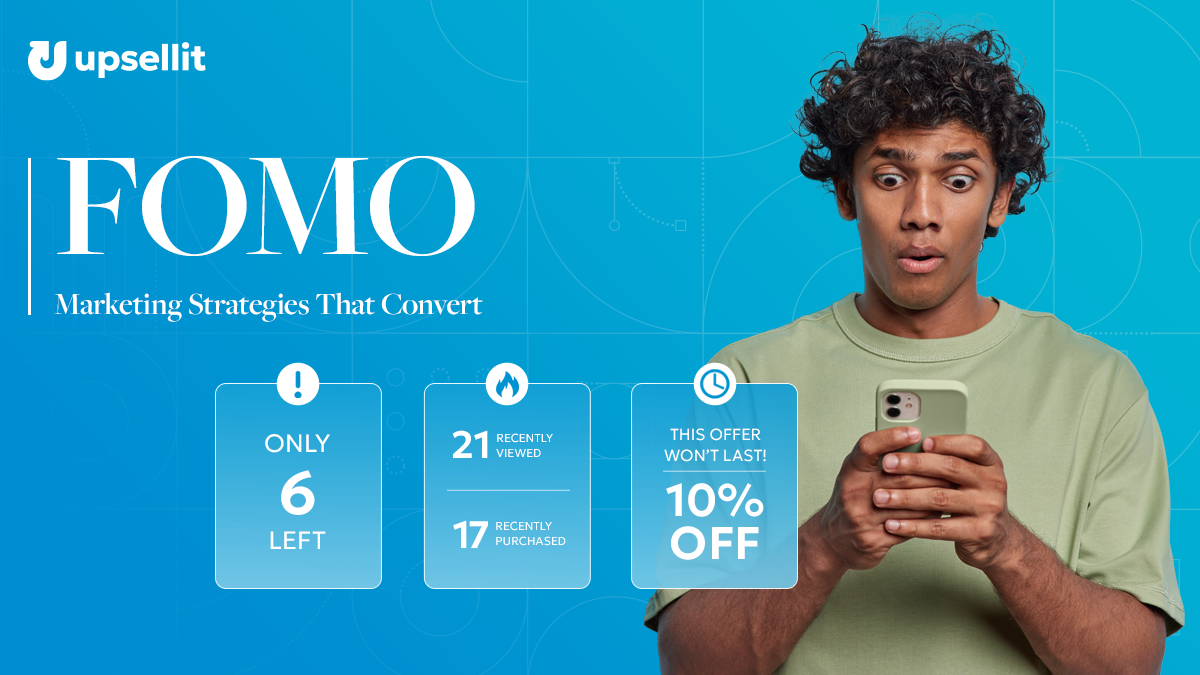
- Limited-time offers: Create a sense of urgency by offering discounts, promotions, or limited-time deals that expire soon.
- Scarcity: Highlight the limited availability of a product or service to create a sense of exclusivity.
- Exclusivity: Offer exclusive rewards or benefits to loyal customers or early adopters.
- Social proof: Use customer testimonials, reviews, or ratings to demonstrate popularity and create FOMO.
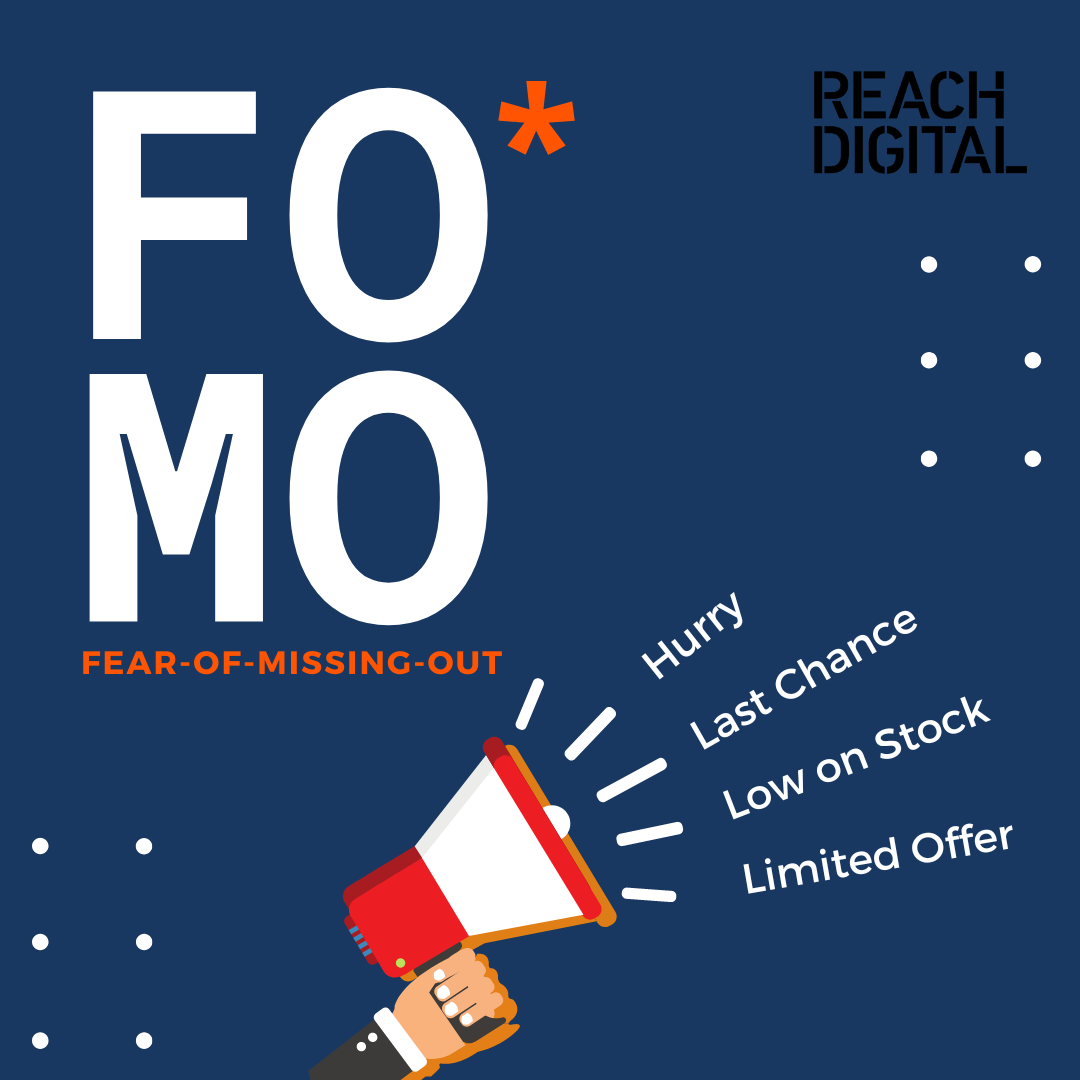
- Urgency-based messaging: Use clear and concise language to communicate the limited time available for a promotion or offer.
Examples of FOMO Marketing Strategies in Action
Several brands have successfully implemented FOMO marketing strategies to drive engagement and conversions. For instance:
- Supreme's limited-edition sneaker releases create a frenzy among fans, with products often selling out within minutes.
- Apple's pre-order promotions for new products create a sense of urgency among consumers, who are eager to be among the first to get their hands on the latest technology.
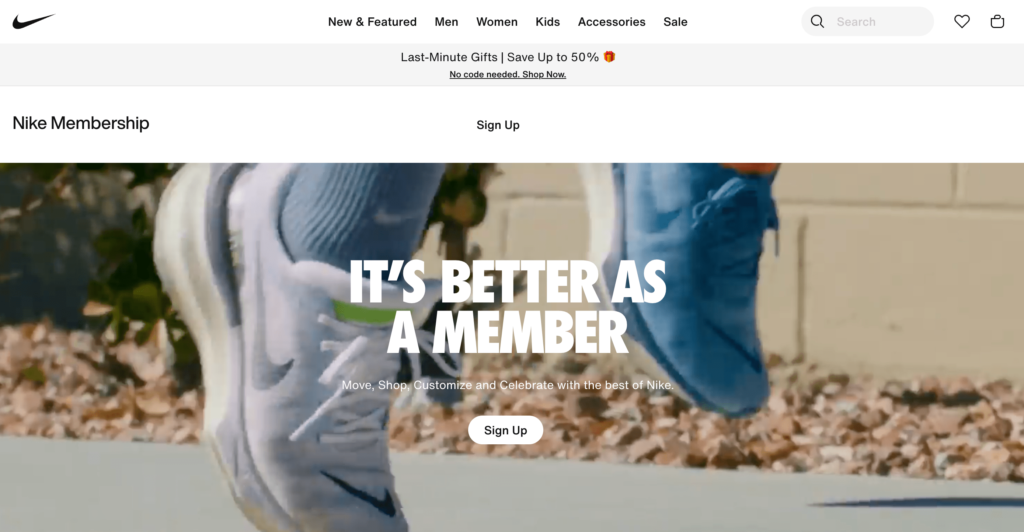
- Starbucks' limited-time offers and seasonal promotions create a sense of FOMO among customers, who feel pressure to try new products before they disappear.
Benefits of FOMO Marketing
The benefits of FOMO marketing are numerous:
- Increased conversions**: FOMO marketing strategies can drive immediate action and conversions.
- Boosted engagement**: By creating a sense of urgency and scarcity, businesses can increase engagement and encourage customers to share content and interact with the brand.
- Improved customer loyalty**: Exclusive offers and limited-time deals can foster a sense of loyalty among customers, who feel valued and rewarded.
Best Practices for Implementing FOMO Marketing
To get the most out of FOMO marketing, follow these best practices:
- Be authentic**: Ensure that your FOMO marketing strategies are genuine and aligned with your brand values.
- Use clear messaging**: Communicate the limited time available for a promotion or offer clearly and concisely.
- Monitor and adjust**: Continuously monitor the effectiveness of your FOMO marketing strategies and adjust them as needed.
- Respect consumer trust**: Avoid creating artificial scarcity or using manipulative tactics that can erode consumer trust.
Conclusion
FOMO marketing is a powerful strategy that can drive conversions, engagement, and customer loyalty. By understanding the key tactics and best practices for implementing FOMO marketing, businesses can tap into the psychological phenomenon of FOMO and create a sense of urgency around their products or services. Remember to stay authentic, use clear messaging, and respect consumer trust to get the most out of FOMO marketing.
Frequently Asked Questions
What is FOMO marketing? FOMO marketing is a psychological strategy that leverages the fear of missing out to create urgency, exclusivity, and scarcity around products or services.
What are the benefits of FOMO marketing? FOMO marketing can drive increased conversions, boosted engagement, and improved customer loyalty.
How can I implement FOMO marketing? To get started with FOMO marketing, identify the key tactics that work best for your business, such as limited-time offers, scarcity, and exclusivity. Use clear messaging and monitor the effectiveness of your strategies to adjust and improve them.