Coffee Consumption and Pregnancy Risks: What You Need to Know
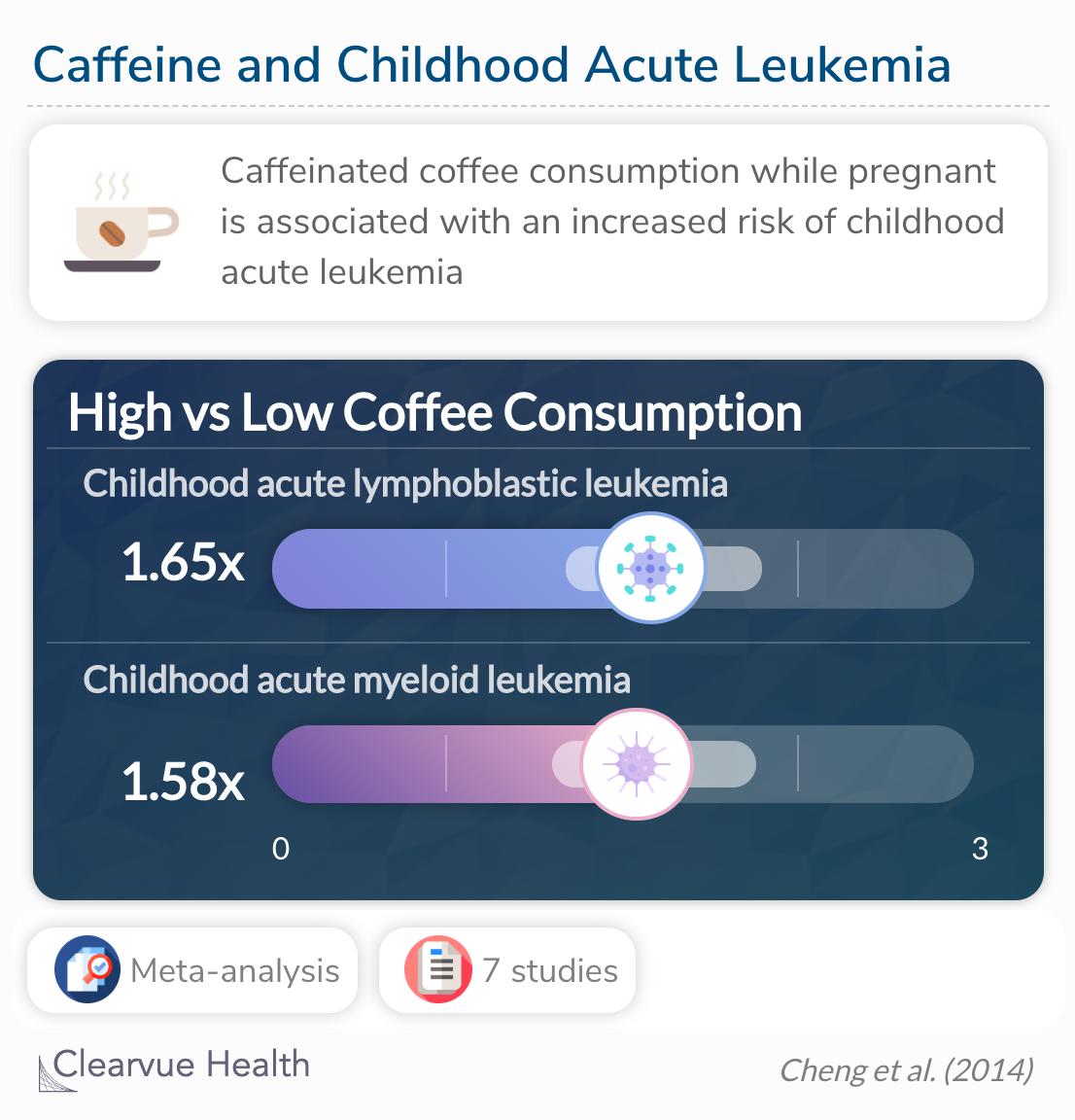
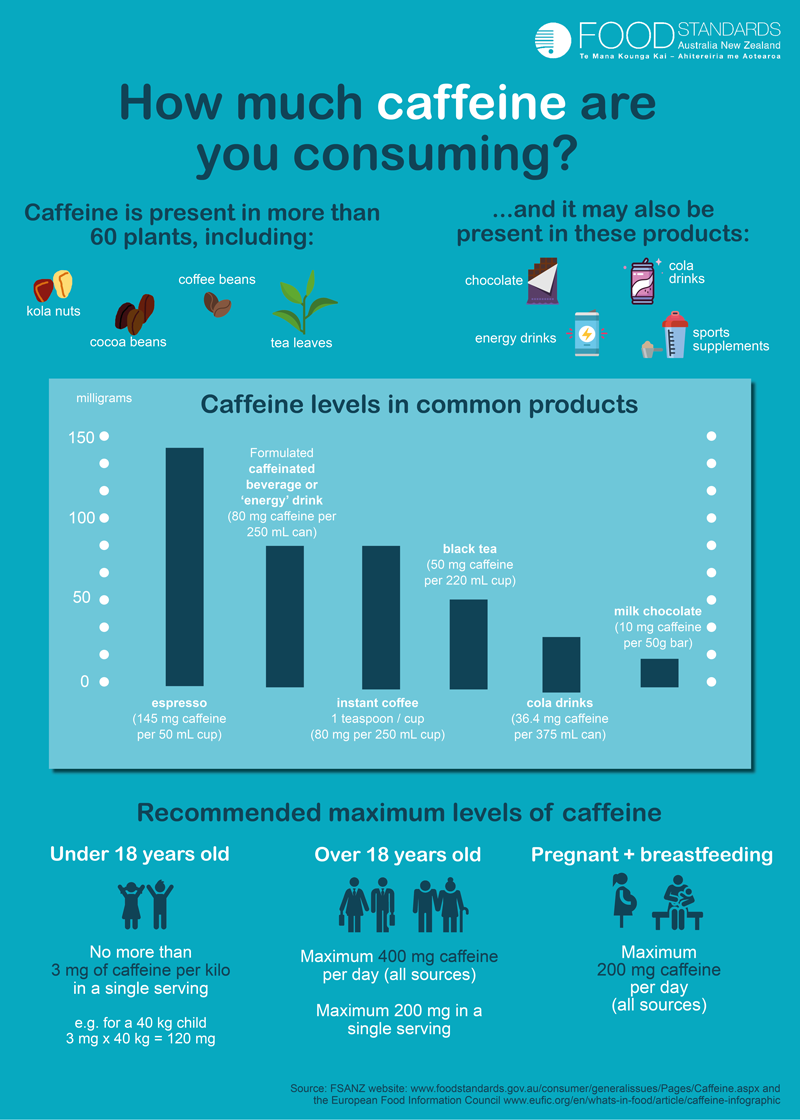
Caffeine is a widely consumed stimulant found in tea, coffee, soft drinks, chocolate, kola nuts, energy drinks, and some over-the-counter medications. However, for pregnant women, caffeine intake is a topic of ongoing debate. Research suggests that excessive coffee consumption during pregnancy may be associated with adverse gestational outcomes, including low birth weight, miscarriage, and premature birth.
- But, how much caffeine is too much for pregnant women?
- Can you still enjoy your daily cup of coffee while pregnant?
- What are the potential risks of coffee consumption during pregnancy?
Understanding Caffeine and Pregnancy
Caffeine clearance from the mother's blood slows down significantly during pregnancy. This means that the fetus is exposed to higher levels of caffeine compared to when the mother is not pregnant. Studies have shown that moderate to high caffeine intake during pregnancy is associated with increased risks of miscarriage, growth restriction, and other pregnancy complications.
One study published in the American Journal of Obstetrics and Gynecology found that maternal caffeine consumption during pregnancy was linked to an increased risk of miscarriage. The study suggested that caffeine might affect oviduct contractility, embryo development, uterine receptivity, and other factors that contribute to pregnancy loss.
The American College of Obstetricians and Gynecologists (ACOG) Recommendations
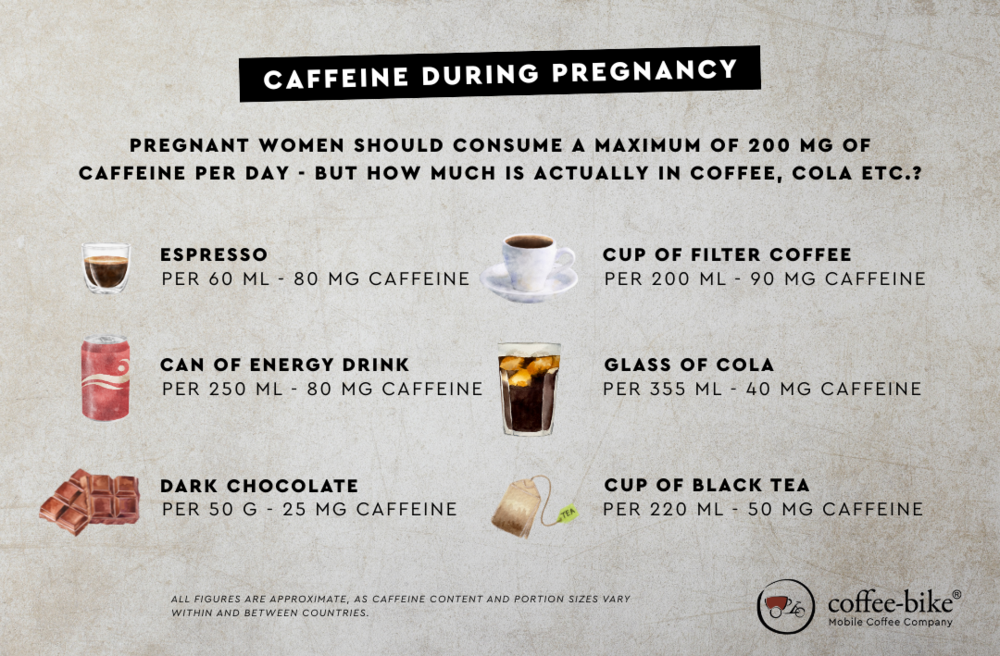
The ACOG recommends that pregnant women limit their caffeine intake to less than 200 milligrams per day. This is equivalent to about one 12-ounce cup of brewed coffee per day. However, individual tolerance to caffeine varies widely, and some women may experience adverse effects even with moderate consumption.
Safe Coffee Consumption during Pregnancy

While it is possible to enjoy coffee during pregnancy, it's essential to be mindful of your caffeine intake. Here are some tips for safe coffee consumption during pregnancy:
- Limit caffeine intake to less than 200 milligrams per day
- Avoid consuming multiple caffeinated drinks in one day
- Consider decaf or half-caf options
- Balance coffee with plenty of water for hydration
Other Factors to Consider
While caffeine consumption during pregnancy is a significant concern, other factors can also impact pregnancy outcomes. These include:
- Smoking and tobacco use
- Alcohol consumption
- Proteinuria and hypertension
- Other medical conditions that require close monitoring during pregnancy
Conclusion
While moderate coffee consumption during pregnancy is generally considered safe, excessive intake can pose risks to the fetus and mother. It's essential to be aware of the potential risks and follow the ACOG recommendations for safe caffeine intake during pregnancy. By making informed choices about coffee consumption, pregnant women can reduce the risk of complications and ensure a healthy pregnancy.