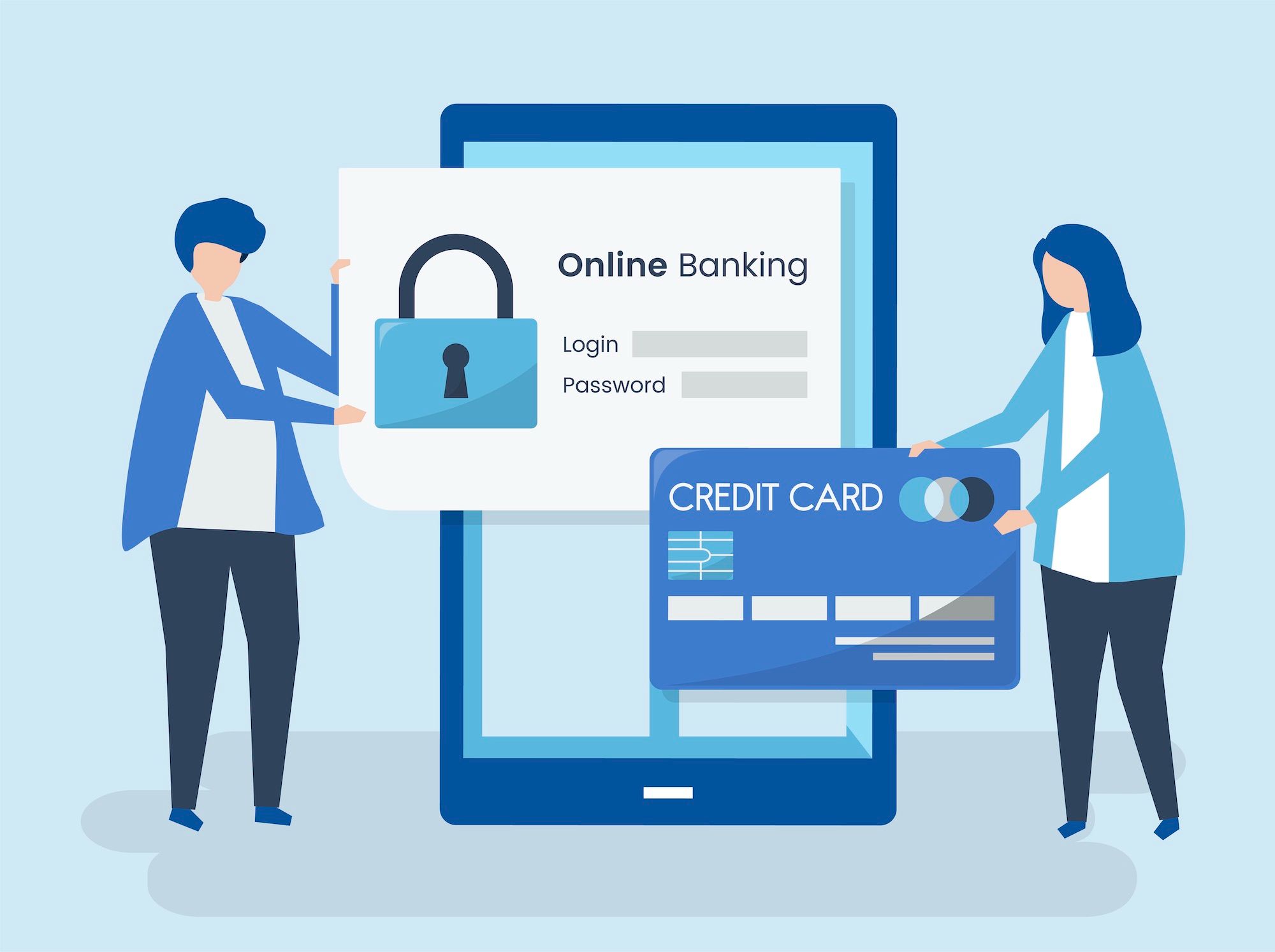
Secure Bank Account Online Security Tips: Protect Your Money from Cyber Threats
With the rise of online banking, it's more crucial than ever to follow secure bank account online security tips to protect your money from cyber threats. Proper online security is essential for safeguarding your personal and financial information from hackers and scammers. In this article, we'll delve into the best practices for securing your online banking, from passwords and multi-factor authentication to knowing the signs of phishing and staying up-to-date on the latest security updates.
Why Online Security Matters
Online banking has made it easier than ever to manage your finances, but it also increases the risk of cyber attacks. Hackers and scammers are constantly finding new ways to steal sensitive information, leaving you vulnerable to financial loss and identity theft. By following these secure bank account online security tips, you can reduce the risk of a cyber attack and enjoy a hassle-free online banking experience.
1. Use Strong, Unique Passwords
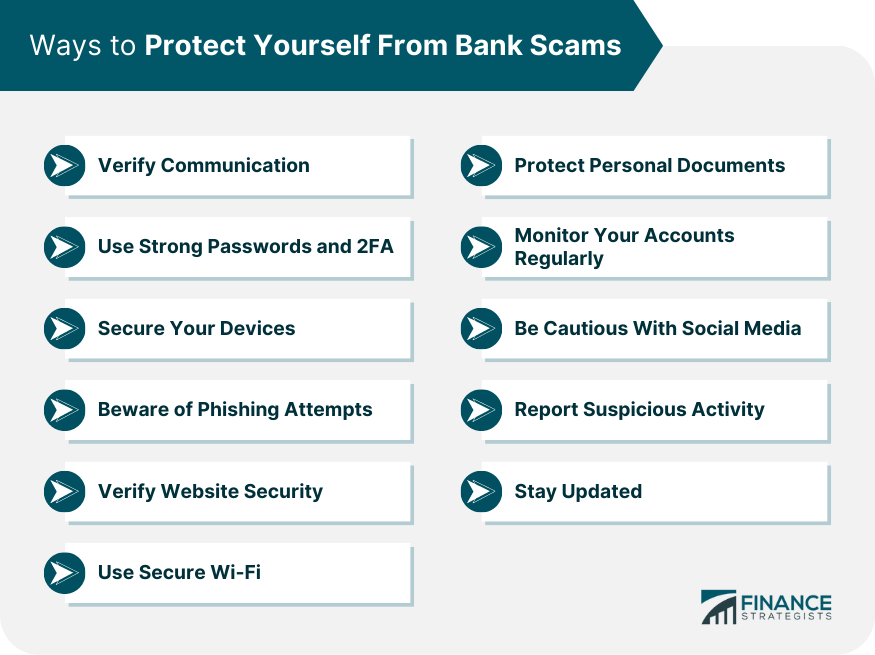
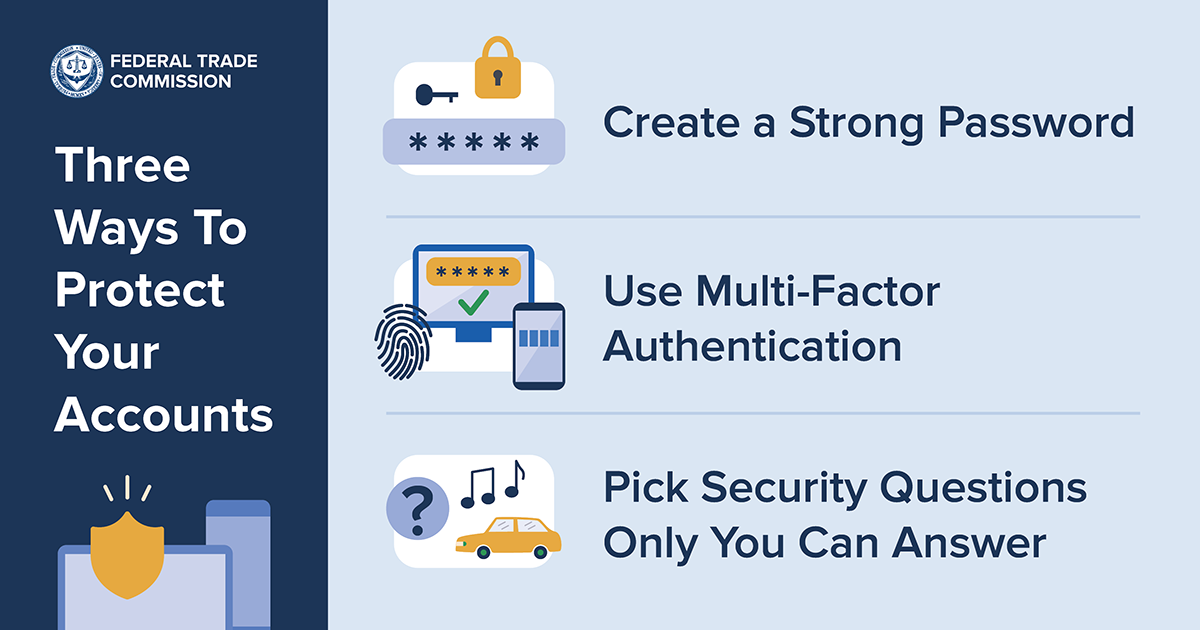
Using strong, unique passwords is one of the most effective ways to secure your online banking account. Avoid using easily guessable passwords, and consider using a password manager to generate and store complex passwords.
2. Enable Multi-Factor Authentication
Multi-factor authentication (MFA) adds an extra layer of security to your online banking account. With MFA, you'll need to provide a second form of verification, such as a code sent to your phone or a fingerprint scan, in addition to your password.
3. Be Cautious of Phishing Scams
Phishing scams are a common tactic used by hackers to steal sensitive information. Be cautious of emails or messages that ask you to provide login credentials or other sensitive information. Always verify the authenticity of login requests by contacting your bank directly.
4. Keep Your Software Up-to-Date
Keeping your software up-to-date is crucial for maintaining online security. Regular updates often include patches for security vulnerabilities, so be sure to install the latest updates as soon as they're available.
5. Monitor Your Account Activity
Regularly monitoring your account activity can help you detect suspicious transaction or login activity. If you notice anything unusual, contact your bank immediately.

6. Use a Secure Network
When accessing your online banking account, make sure you're using a secure network. Avoid using public Wi-Fi or unsecured networks, as they can leave you vulnerable to hacking.
7. Be Careful with Links and Attachments
When receiving emails or messages from your bank, be cautious of links and attachments. These can often be used to spread malware or phishing scams.
8. Use a VPN for Enhanced Security
Using a virtual private network (VPN) can enhance your online security by encrypting your internet traffic. Consider using a VPN when accessing your online banking account to add an extra layer of protection.
9. Report Suspicious Activity
If you suspect that your online banking account has been compromised, report it to your bank immediately. Your bank can help you freeze your account, issue a new card, and take other steps to prevent further damage.
Conclusion
Securing your online banking account is crucial for protecting your money and your personal information from cyber threats. By following these secure bank account online security tips, you can enjoy a hassle-free online banking experience while reducing the risk of a cyber attack. Remember to stay vigilant, use strong passwords, enable multi-factor authentication, and monitor your account activity to maintain online security.
Additional Resources
- Forbes' list of the best online banks, featuring FDIC insurance, high interest rates, banking apps, low or no fees, and great customer service
- Forbes' article on using a VPN for banking, which can enhance your online banking security and make your internet experience safer
- Bank of America's online banking security tips, which include using a secure network, being cautious of links and attachments, and reporting suspicious activity