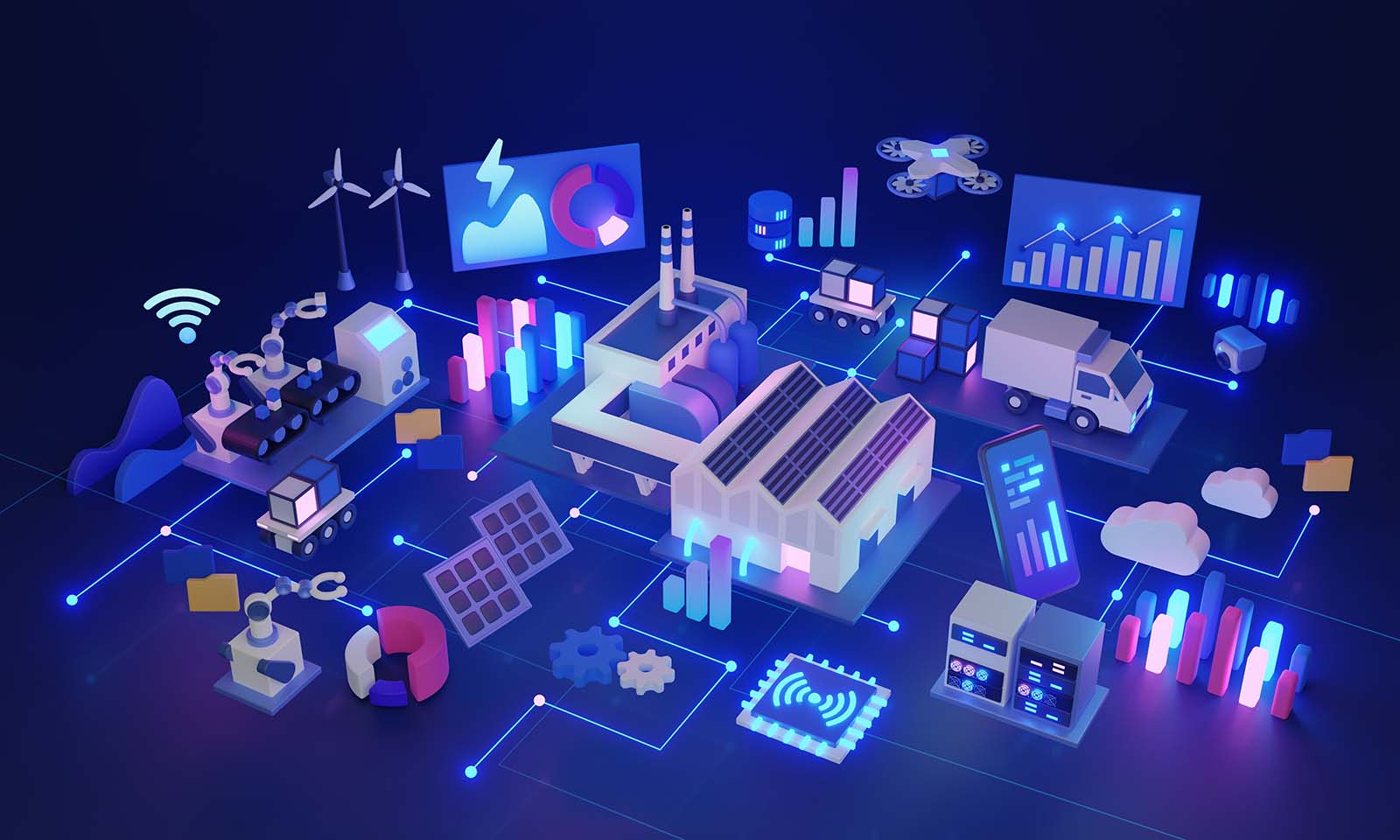
Hyperconnectivity in the Service Industry: Unlocking Efficiency and Innovation
The service industry, which encompasses a wide range of businesses including hospitality, logistics, and communication, is undergoing a significant transformation. The rise of hyperconnectivity, which enables connections between people, machines, and beyond, is revolutionizing the way services are delivered and experienced. In this article, we will explore the concept of hyperconnectivity in the service industry, its benefits, and challenges.
The Rise of Hyperconnectivity in the Service Industry
Hyperconnectivity is a term that was first coined by Canadian social scientists Anabel Quan-Haase and Barry Wellman. It refers to the rapid and widespread adoption of advanced technologies that enable seamless connections between people, machines, and devices. In the service industry, hyperconnectivity is enabling businesses to improve efficiency, enhance customer satisfaction, and innovate their services.
Benefits of Hyperconnectivity in the Service Industry
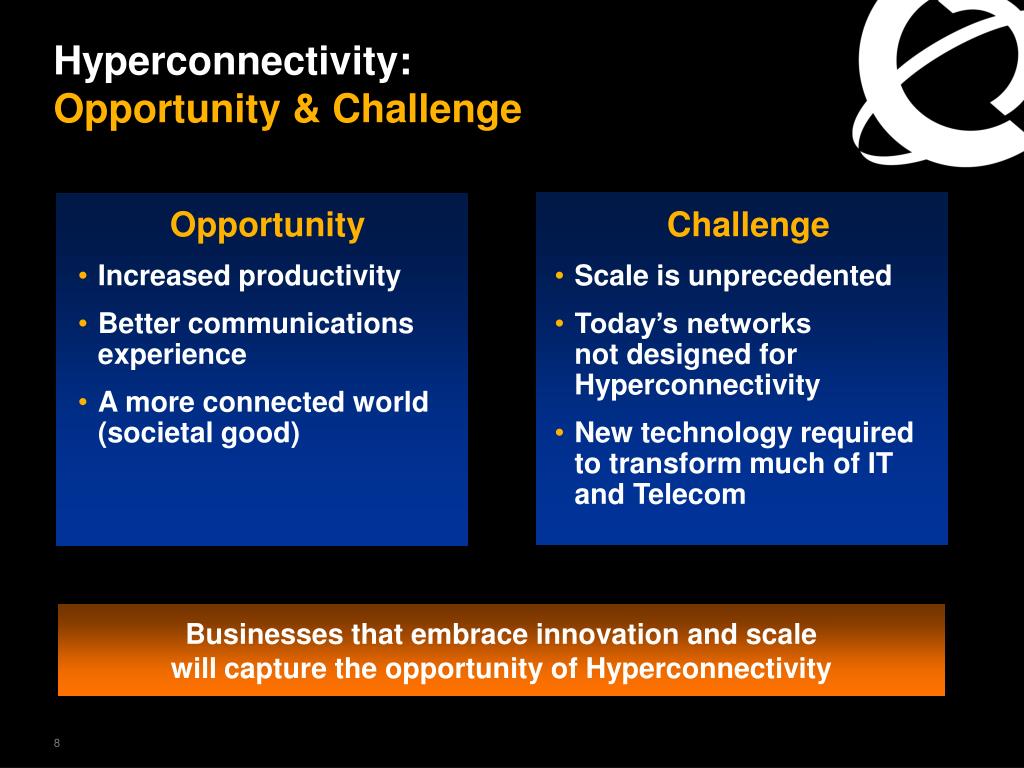
- Improved Efficiency**: Hyperconnectivity enables businesses to automate processes, streamline operations, and reduce manual errors. This leads to increased productivity and reduced costs.
- Enhanced Customer Satisfaction**: Hyperconnectivity allows businesses to provide personalized services, respond quickly to customer needs, and offer innovative solutions. This leads to increased customer satisfaction and loyalty.
- Innovation and Creativity**: Hyperconnectivity provides businesses with access to vast amounts of data and advanced technologies. This enables them to innovate and create new services and experiences that meet the evolving needs of customers.
Challenges of Hyperconnectivity in the Service Industry
- Security Risks**: Hyperconnectivity increases the risk of security breaches and data theft. Businesses must ensure that they have robust security measures in place to protect their customers' data.
- Complexity**: Hyperconnectivity can lead to increased complexity in business operations. This can make it challenging for businesses to manage and maintain their systems.
- Cost**: Implementing hyperconnectivity solutions can be expensive. Businesses must carefully consider the costs and benefits of investing in these technologies.
Real-World Examples of Hyperconnectivity in the Service Industry

Several businesses in the service industry have successfully implemented hyperconnectivity solutions to enhance their services and improve efficiency. For example:
- United Airlines**: The airline has implemented Starlink Wi-Fi on half its fleet, enabling passengers to enjoy seamless connectivity throughout their flights.
- Motorola**: The company has developed unlocked Android phones that enable customers to stay connected and access a range of services on the go.
Conclusion
Hyperconnectivity is transforming the service industry by enabling businesses to improve efficiency, enhance customer satisfaction, and innovate their services. While there are challenges associated with hyperconnectivity, the benefits it offers make it an attractive solution for businesses looking to stay ahead in the market. As the industry continues to evolve, it is essential for businesses to invest in hyperconnectivity solutions and develop strategies to overcome the challenges associated with them.
Future of Hyperconnectivity in the Service Industry
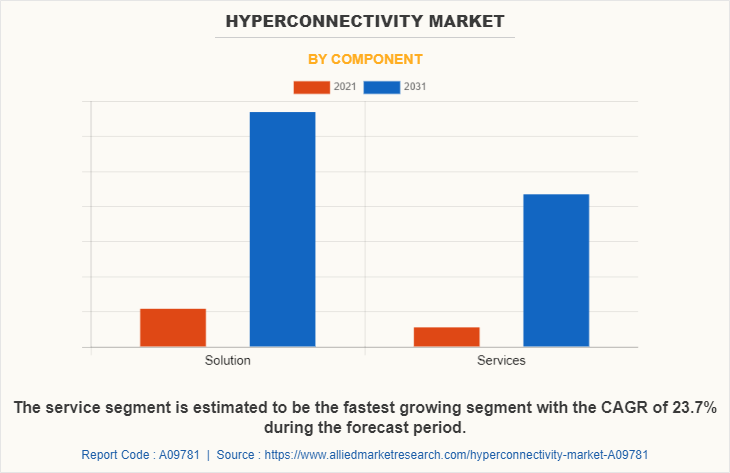
The global hyperconnectivity market is expected to reach $1045.1 billion by 2028, rising at a market growth of 19.0% CAGR during the forecast period. As the market continues to grow, businesses will need to invest in advanced technologies and develop strategies to stay ahead in the competitive service industry.
Final Thoughts
Hyperconnectivity is a game-changer for the service industry. By enabling businesses to improve efficiency, enhance customer satisfaction, and innovate their services, it has the potential to revolutionize the way services are delivered and experienced. While there are challenges associated with hyperconnectivity, the benefits it offers make it an attractive solution for businesses looking to stay ahead in the market.