Unlocking the World of Industrial Design: A Career Path That Blends Creativity and Innovation
Are you fascinated by the way products are designed and developed to meet the demands of users? Do you have a passion for combining art, science, and technology to create innovative solutions? If so, an industrial design career might be the perfect fit for you.
What is Industrial Design?
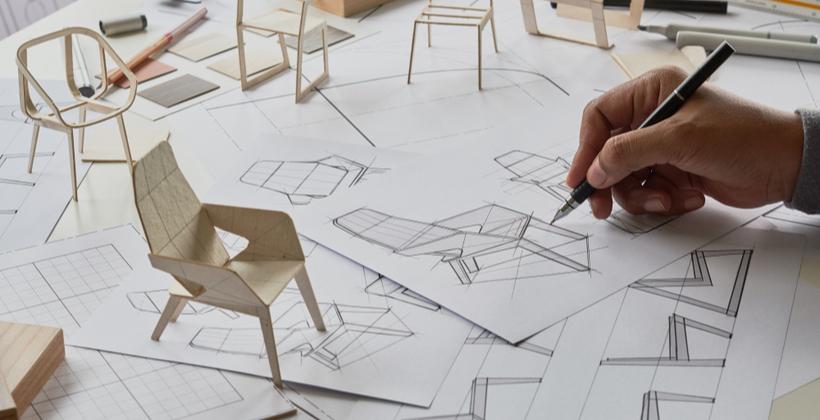
Industrial design is a field that encompasses the creation and development of products, systems, and experiences that meet the needs of users while also considering the technical, business, and societal aspects of product development. Industrial designers combine artistic and engineering skills to create innovative and functional products, from consumer electronics and furniture to medical equipment and automobiles.
Skills and Qualities Required for an Industrial Design Career
- Artistic ability: Industrial designers need to possess a strong understanding of design principles, color theory, and spatial relationships.
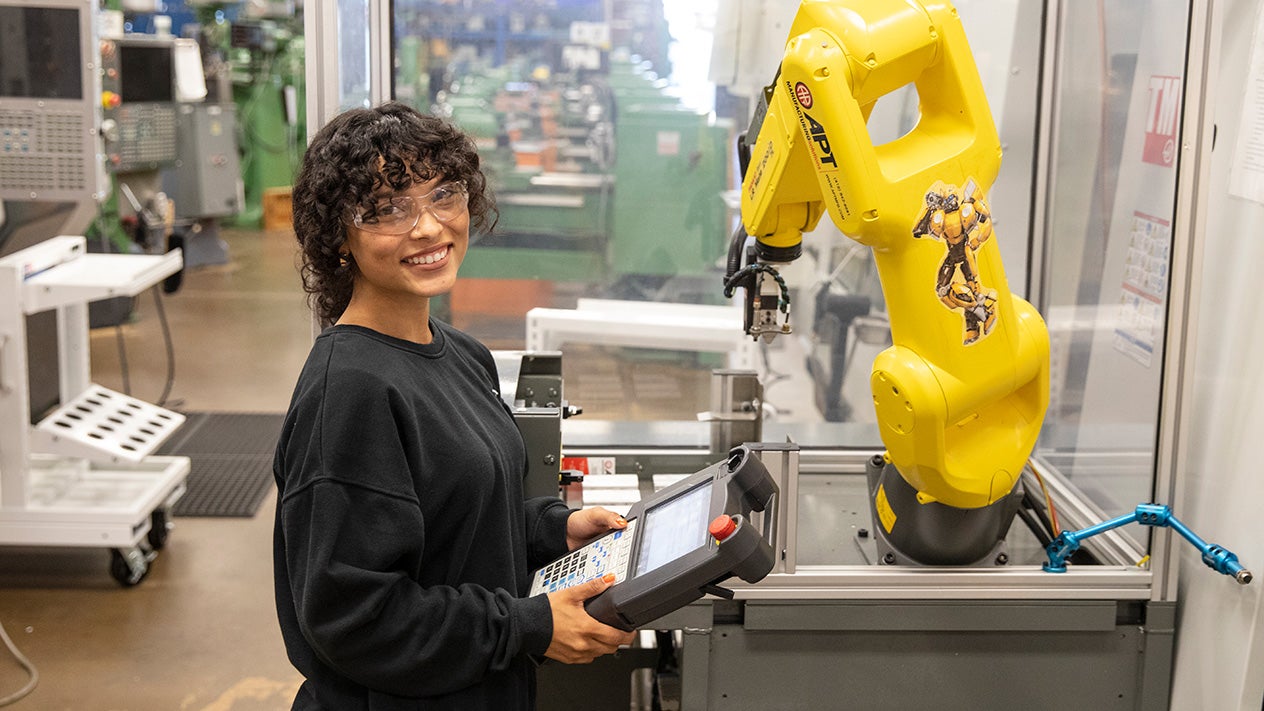
- Technical skills: Proficiency in design software, such as CAD, SolidWorks, and SketchUp, as well as other tools like 3D printing and prototyping.
- Communication skills: Industrial designers must effectively communicate their ideas to cross-functional teams, including engineers, manufacturers, and marketing professionals.
- Business acumen: Understanding the business side of product development, including market research, competition analysis, and product lifecycles.
- Collaboration and teamwork: Industrial designers work closely with other stakeholders to bring their designs to life.
Education and Training for an Industrial Design Career
While a formal education in industrial design is not always necessary, it can provide a solid foundation in the principles and practices of industrial design. Many top industrial design schools offer undergraduate and graduate degree programs in industrial design, as well as certifications and online courses.
- Undergraduate degree in industrial design or a related field (e.g., design, engineering, or fine arts).
- Master's degree in industrial design or a related field for advanced roles or specialization.
- Online courses and certifications in design software, CAD, and other relevant technologies.

Job Responsibilities and Career Opportunities in Industrial Design
Industrial designers work in a variety of settings, including product development companies, manufacturing facilities, design firms, and academic institutions. Their responsibilities may include:
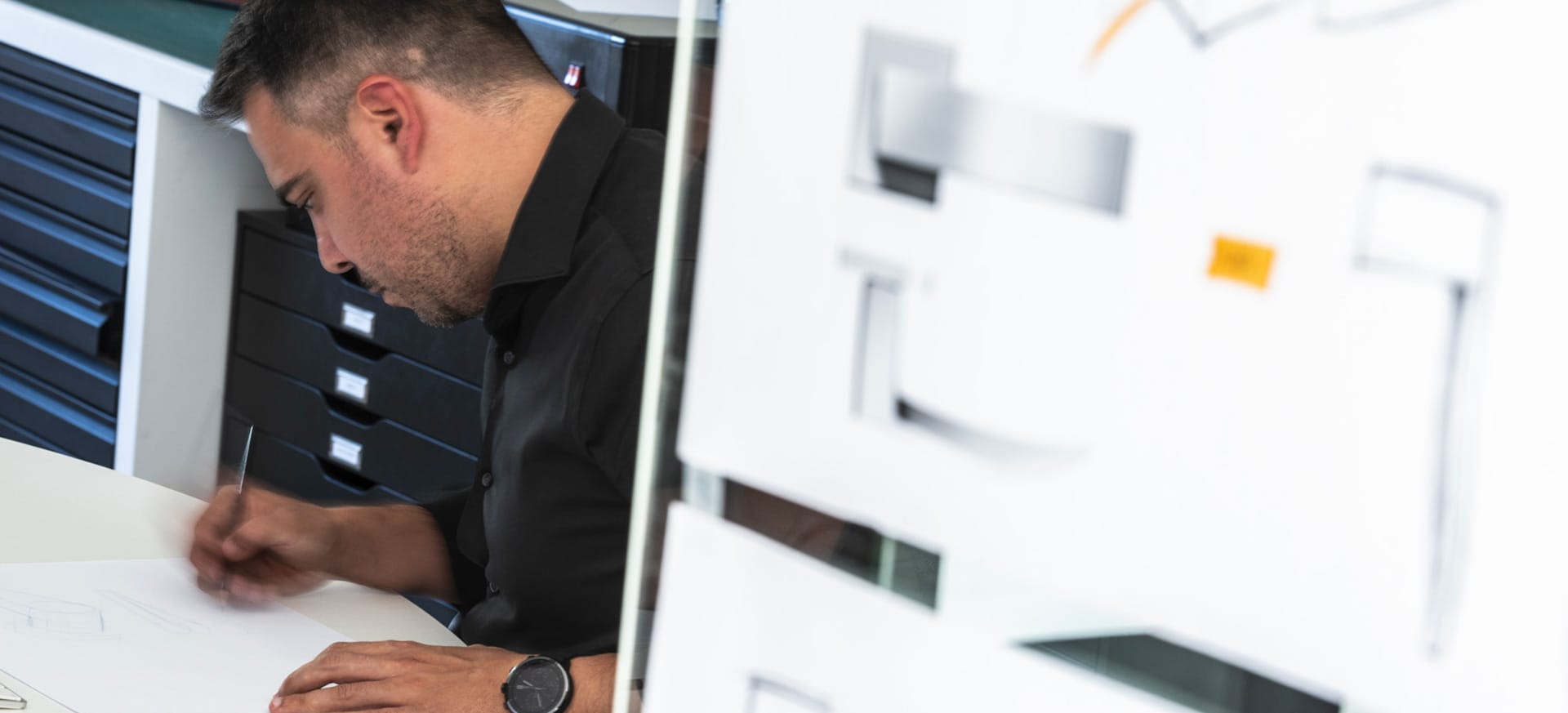
- Conceptualization and development of product designs.
- Collaboration with cross-functional teams to bring designs to life.
- Prototyping and testing of products.
- Design production and implementation.
Salary and Career Growth Prospects
The salary and career growth prospects for industrial designers can vary depending on factors like location, industry, experience, and education. However, here are some general trends:
- Median salary ranges from $60,000 to over $100,000 per year.
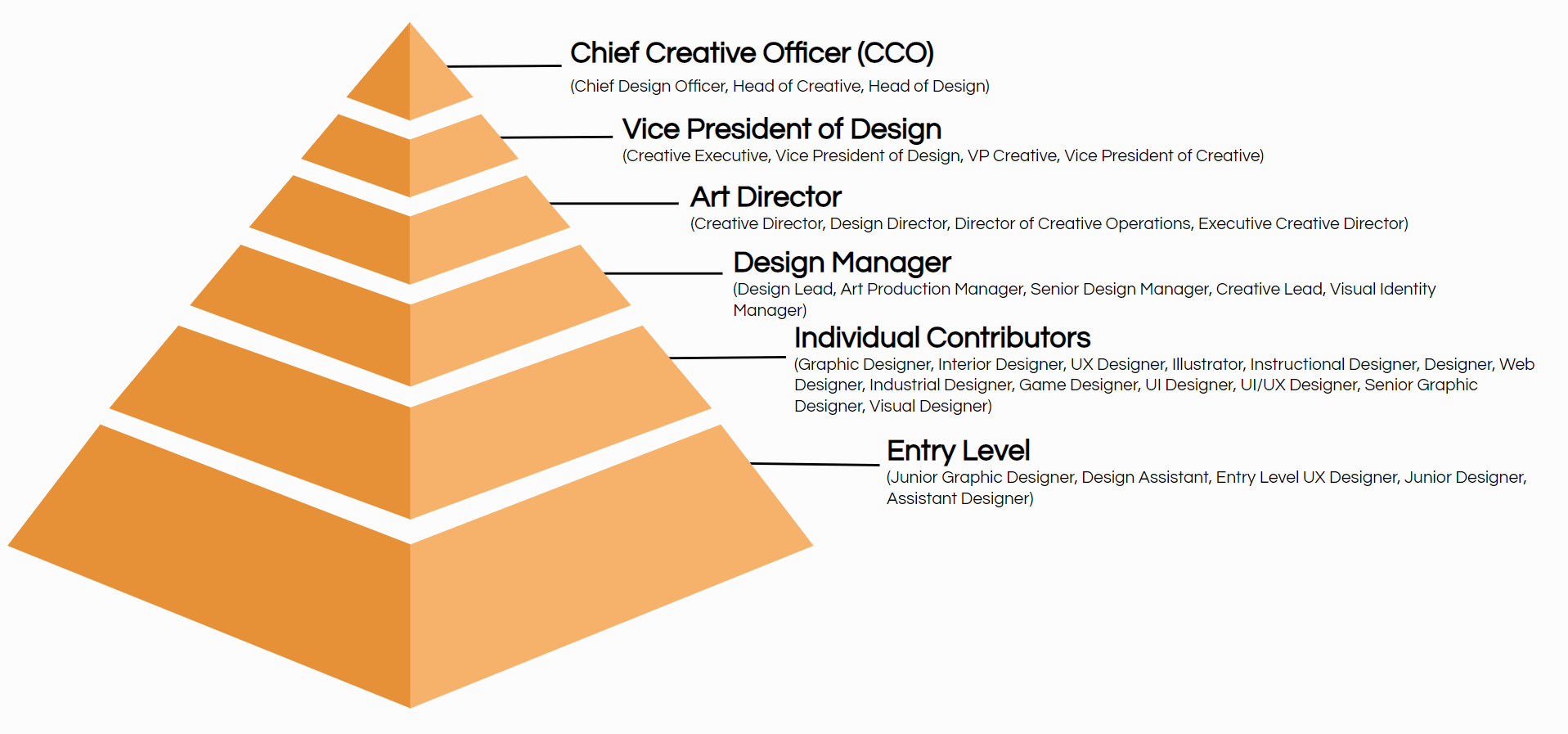
- Experience: 5-10 years can lead to senior designer or lead designer roles.
- Education: A master's degree or higher can lead to more senior roles or specialization.
- Certifications and online courses can demonstrate expertise and enhance job prospects.
Conclusion
An industrial design career offers a unique blend of creativity, innovation, and technical expertise. By developing a strong foundation in design principles, technical skills, and business acumen, industrial designers can drive success in a wide range of industries and settings. Whether you're just starting out or looking to advance your career, an industrial design career path can provide a rewarding and challenging experience.






.png "Industrial Design Co-op - Summer 2026 Job Details | Crown Equipment ...")