Digital Footprint Protection Methods: A Comprehensive Guide
A digital footprint is the trail of data you leave as a result of your online activities. With the increasing amount of personal information shared online, it's crucial to take steps to safeguard your digital footprint. In this article, we'll explore various methods to protect your digital footprint and maintain your online privacy.
Understanding the Importance of Digital Footprint Protection
Every site you visit, link you click, and search you make is part of your online footprint. A large digital footprint can make you vulnerable to identity theft and fraud. Losing control of your digital footprint can lead to a variety of problems, including compromised security and decreased online anonymity.
Types of Digital Footprint Protection Methods
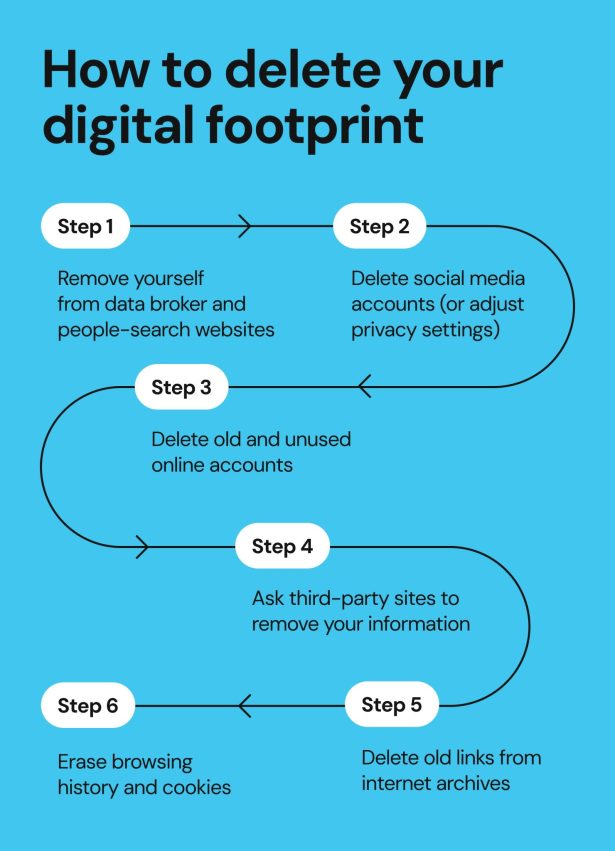
- Use a VPN: A virtual private network (VPN) encrypts your internet traffic and helps to mask your IP address. This makes it harder for hackers to track your online activities and gather information about you.
- Disable Advertising Identifiers: Advertisers use advertising identifiers (Ad IDs) to track your online activity. Disabling Ad IDs can significantly reduce your digital footprint and prevent advertisers from targeting you with personalized ads.
- Use Privacy-Focused Browsers: Some browsers, like Tor and Brave, prioritize user privacy and security. They offer features like encrypted browsing, ad-blocking, and tracker-blocking, which help to minimize your digital footprint.
- Limit Social Media Sharing: Social media platforms collect a vast amount of data about you. Be cautious about the information you share on social media, and consider restricting the visibility of your posts and profiles.
- Use Password Managers: Password managers help generate and store unique, complex passwords for your online accounts. This reduces the risk of compromised passwords and associated digital footprints.
- Encrypt Your Data: Encrypting your data helps protect it from unauthorized access. Use encryption tools and services to secure sensitive information, such as financial data and personal communications.
- Regularly Update Your Software: Keeping your software, including operating systems, browsers, and other applications, up-to-date helps to prevent exploits and minimize the surface area for cyber threats.
Digital Footprint Protection for Specific Situations
Depending on your specific situation, you may need to take additional steps to protect your digital footprint. For example:

- For Children and Teens: Parents can help children and teens manage their digital footprint by setting up safe online profiles, restricting online access, and monitoring online activity.
- For Business Owners: Businesses should implement digital footprint protection measures to protect sensitive data, intellectual property, and customer information.
- For Individuals: Individuals can take a proactive approach to digital footprint protection by being mindful of the information they share online, using secure browsing tools, and regularly monitoring their credit reports.
Conclusion
Protecting your digital footprint requires a multi-faceted approach. By implementing the methods outlined in this article, you can minimize your online footprint, reduce the risk of identity theft and fraud, and maintain your online anonymity. Remember to regularly monitor your digital footprint and make adjustments as needed to ensure you're keeping your online presence secure.
References
For more tips on digital footprint protection, see:
- The Microsoft Digital Defense Report (MDDR)
- Analysts Insight
- EN Global Recycling Forum
- United Nations Guidance on Implementing Digital Footprint Protection Methods for Children and Teens