The Importance of Secure Wi-Fi Settings on Router
Setting up your home Wi-Fi router is crucial to optimize your privacy and cybersecurity. Establishing secure Wi-Fi settings on your router doesn't just prevent unnecessary cybersecurity risks but also ensures that your home network remains safe from cyber threats. In this guide, we will provide you with the essential steps to ensure your router doesn't introduce any unnecessary cybersecurity risks.
Understanding the Problem
When your home Wi-Fi network is not secure, cyber threat actors can perform a variety of malicious operations that can put your online identity and sensitive information at risk. Your router acts as the hub for all devices on your network, shielding them from potential threats from the internet.
Why Secure Your Router Settings?
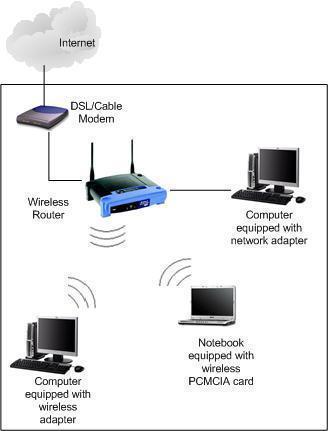
Think of your router like the gatekeeper of your home network. It safeguards all the devices connected to your network, including computers, smartphones, smart TVs, and other devices. With a secure router, you can be confident that your data remains safe from hacking attempts and unauthorized access. Here are some ways to make sure your router is more secure.
Disable Remote Access
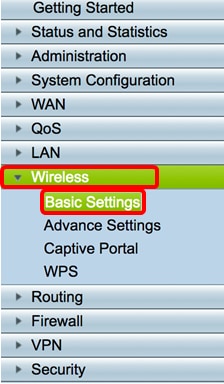
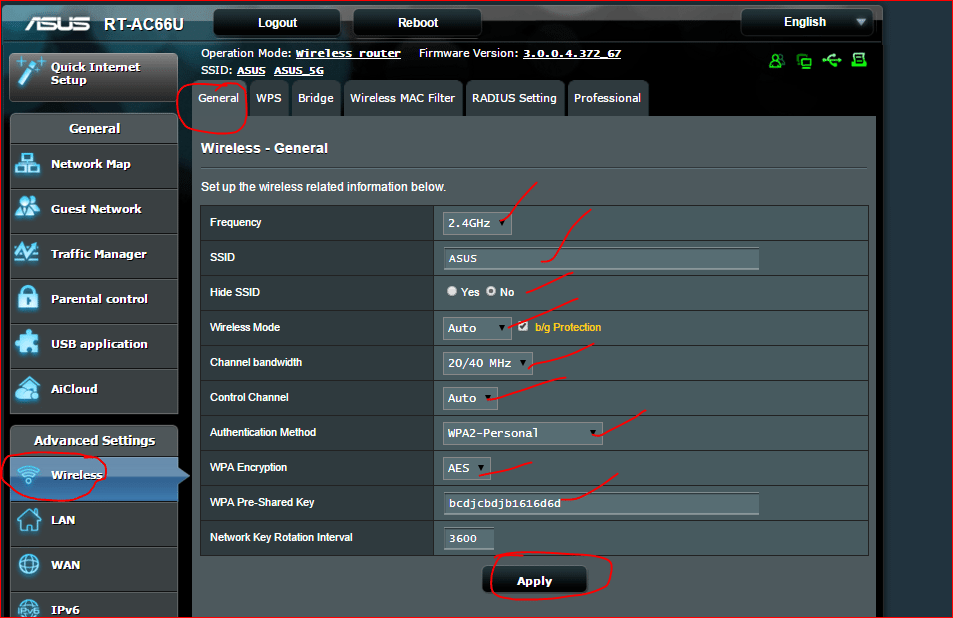
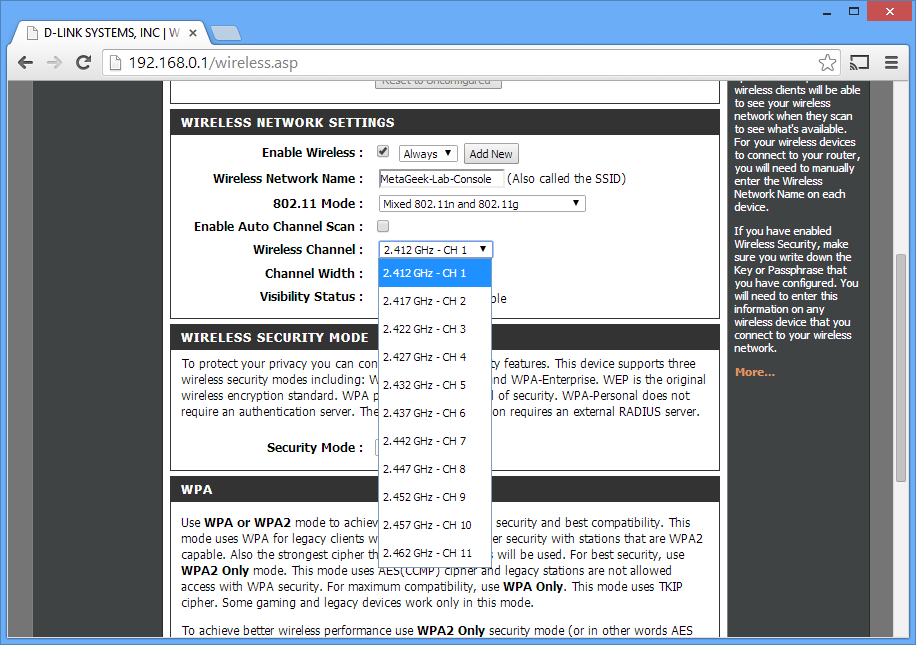
Most routers come with a web interface that allows you to configure certain settings. Disabling remote access is a crucial step in securing your router. This will prevent unauthorized access to your network settings. To do this:
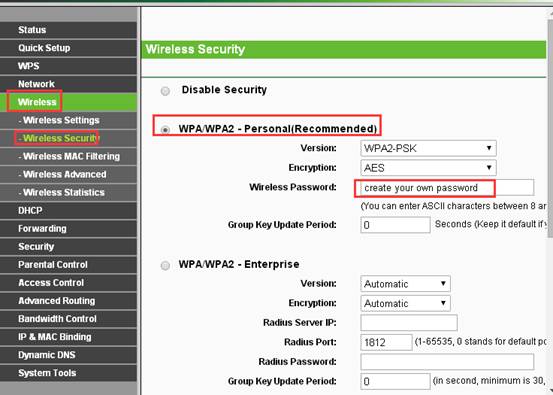
- Log into your router's web interface.
- Look for the Remote Management or Remote Access settings.
- Disable the Remote Management or Remote Access option.
Use WPA3 Encryption
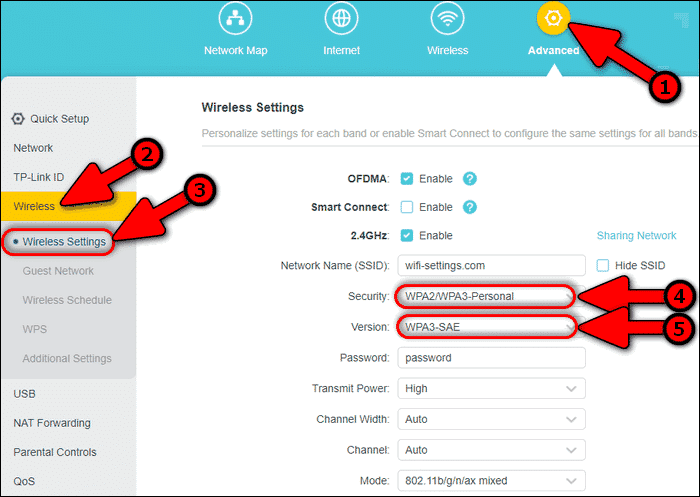
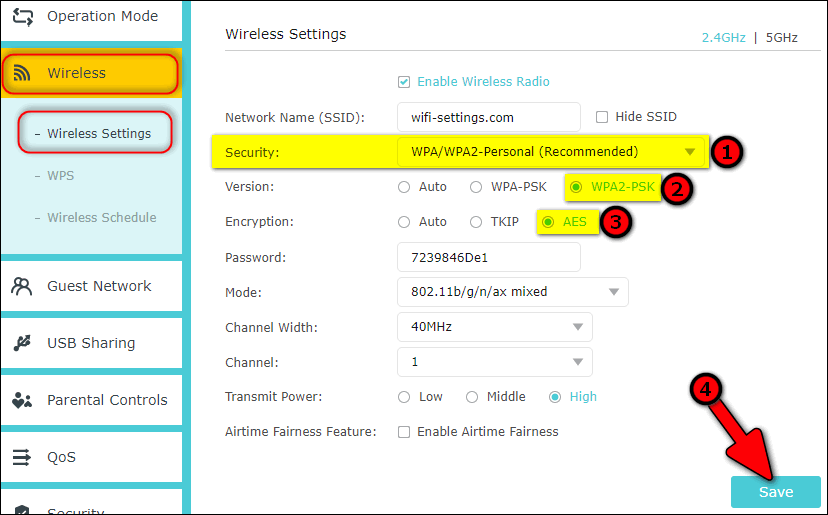
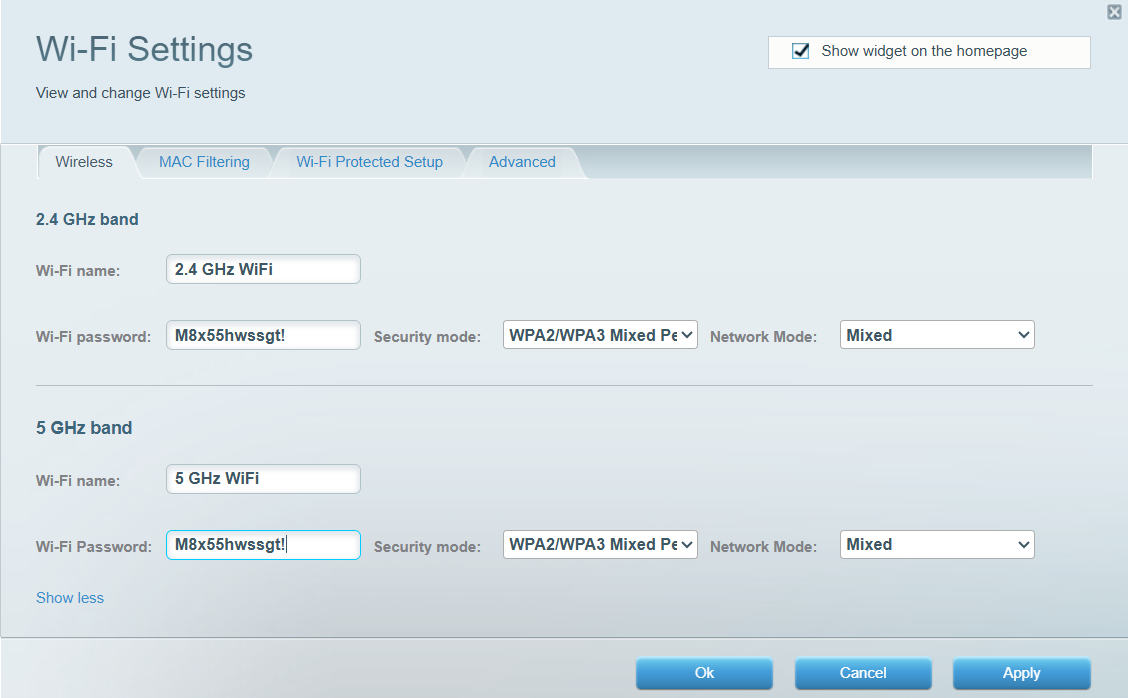
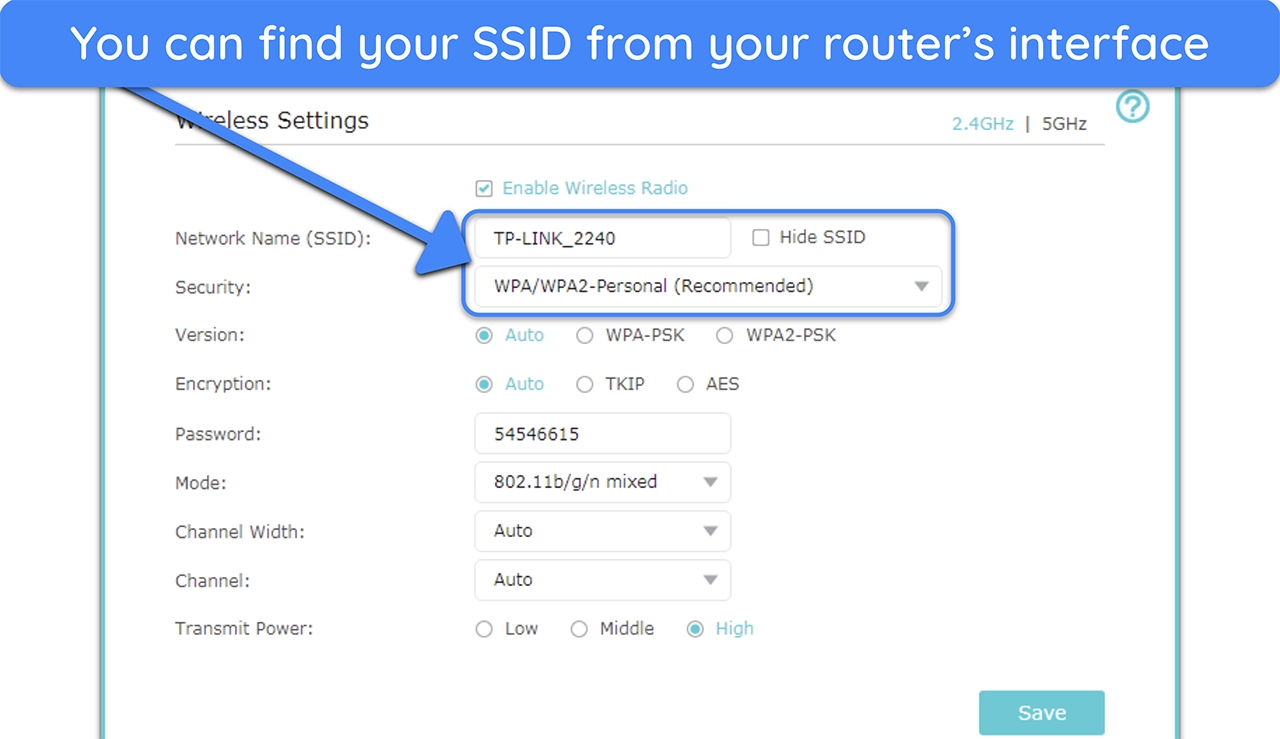
WPA3 is the latest security protocol designed to protect your Wi-Fi traffic. WPA3 is the most secure and it's recommended to use it for your router. WPA3 is particularly effective in offering robust encryption and key negotiation. Your router must support WPA3 to take advantage of these improvements.
Change Your Router's Username and Password
Many routers unfortunately come with default usernames and passwords pre-set when you purchase or set them up. These default passwords can make it relatively easy for hackers to gain access to your network. Change the login details as soon as you set up your router. We recommend using strong, unique, and complex passwords.