The Impact of Continuous Partial Attention on Work-Life Balance
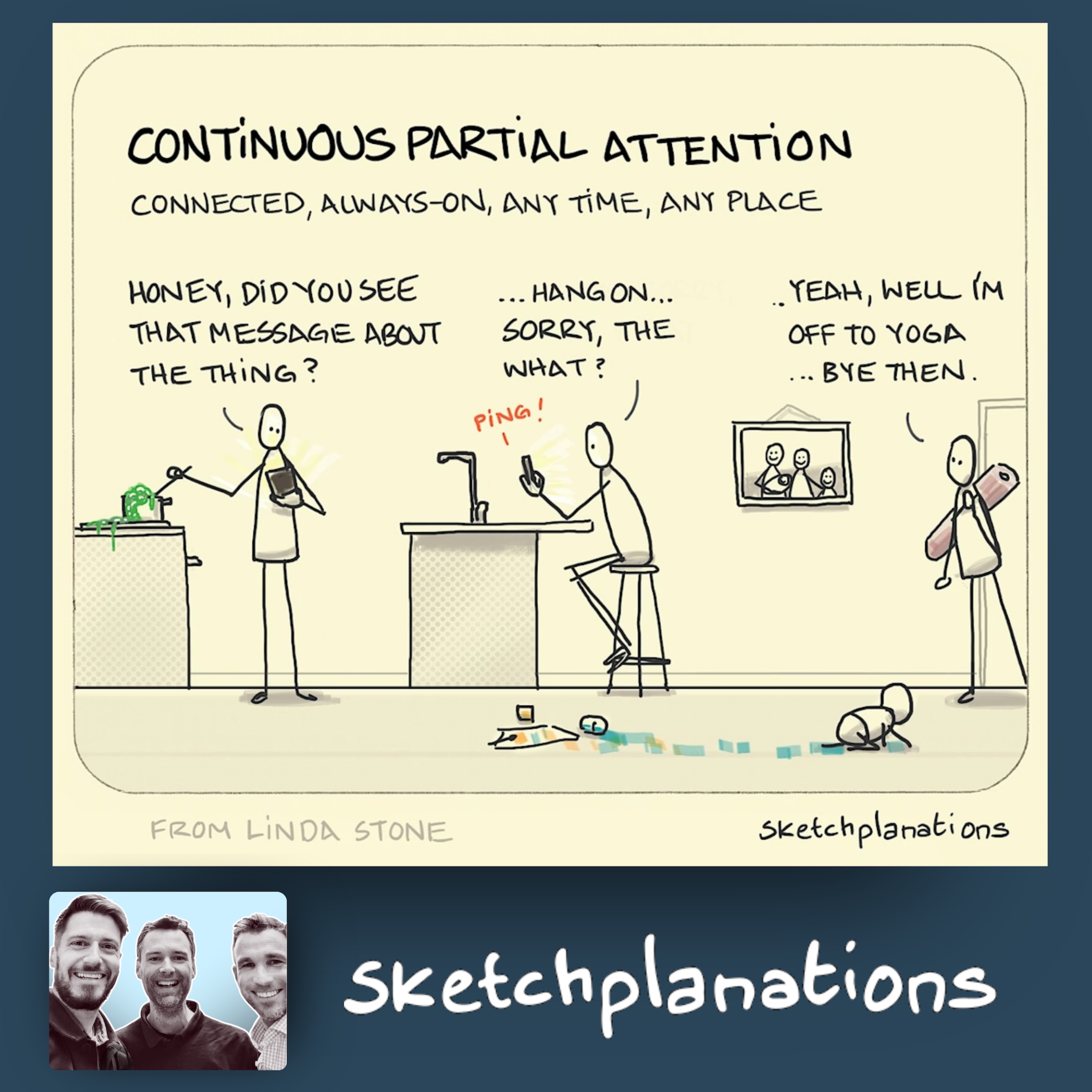
Continuous partial attention (CPA) is a concept coined by Linda Stone in 1998 to describe the state of being perpetually attuned to the possibility of new information. This phenomenon has become increasingly prevalent in today's digital age, where individuals are constantly connected to their devices and expected to remain responsive at all times.
The consequences of CPA can be detrimental to cognitive performance and overall wellbeing, leading to reduced productivity, decreased memory retention, and increased stress levels. In this article, we will explore the impact of CPA on work-life balance and examine strategies for mitigating its effects.
Understanding Continuous Partial Attention
Continuous partial attention is characterized by the behavior of dividing one's attention, scanning and optimizing opportunities to not miss anything that is going on. Unlike multitasking, which is driven by a conscious desire to be productive, CPA is an automatic process motivated by the desire to constantly stay connected and responsive.
Despite its convenience, CPA can have a significant impact on one's ability to focus, leading to decreased productivity and increased stress levels. When individuals are constantly divided between multiple tasks and digital stimuli, they are unable to commit fully to any one task, leading to shallow thinking, emotional exhaustion, and chronic stress.
The Impact of CPA on Work-Life Balance
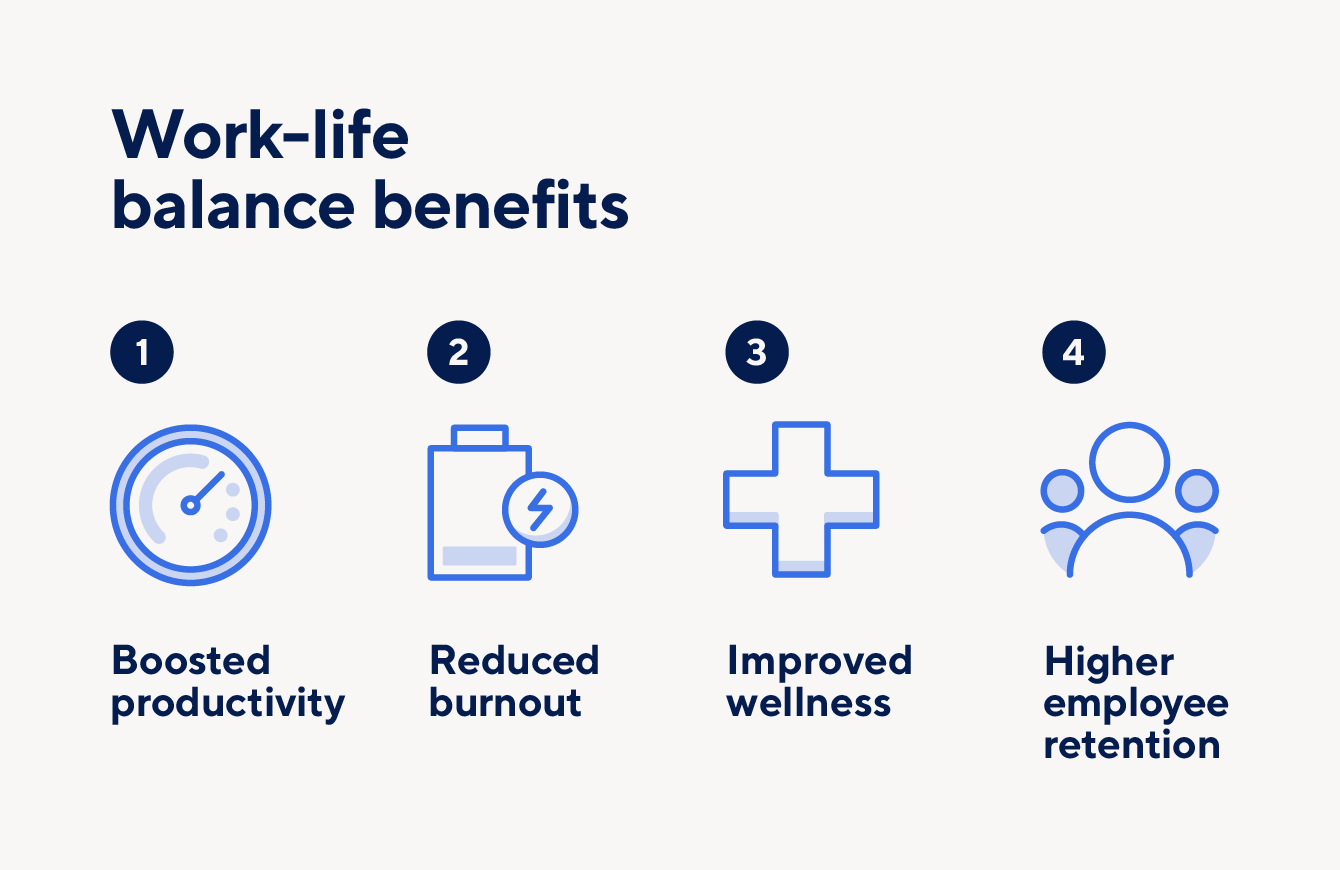
The phenomenon of CPA has been linked to decreased work-life balance, as individuals are constantly available to respond to digital stimuli, making it difficult to disconnect from work during non-working hours.
A study by the Human Clarity Institute found that individuals who experience CPA are more likely to experience reduced productivity, decreased memory retention, and increased stress levels. Furthermore, CPA has been linked to decreased job satisfaction, reduced opportunities for reflection, and decreased overall wellbeing.
Strategies for Mitigating the Effects of CPA
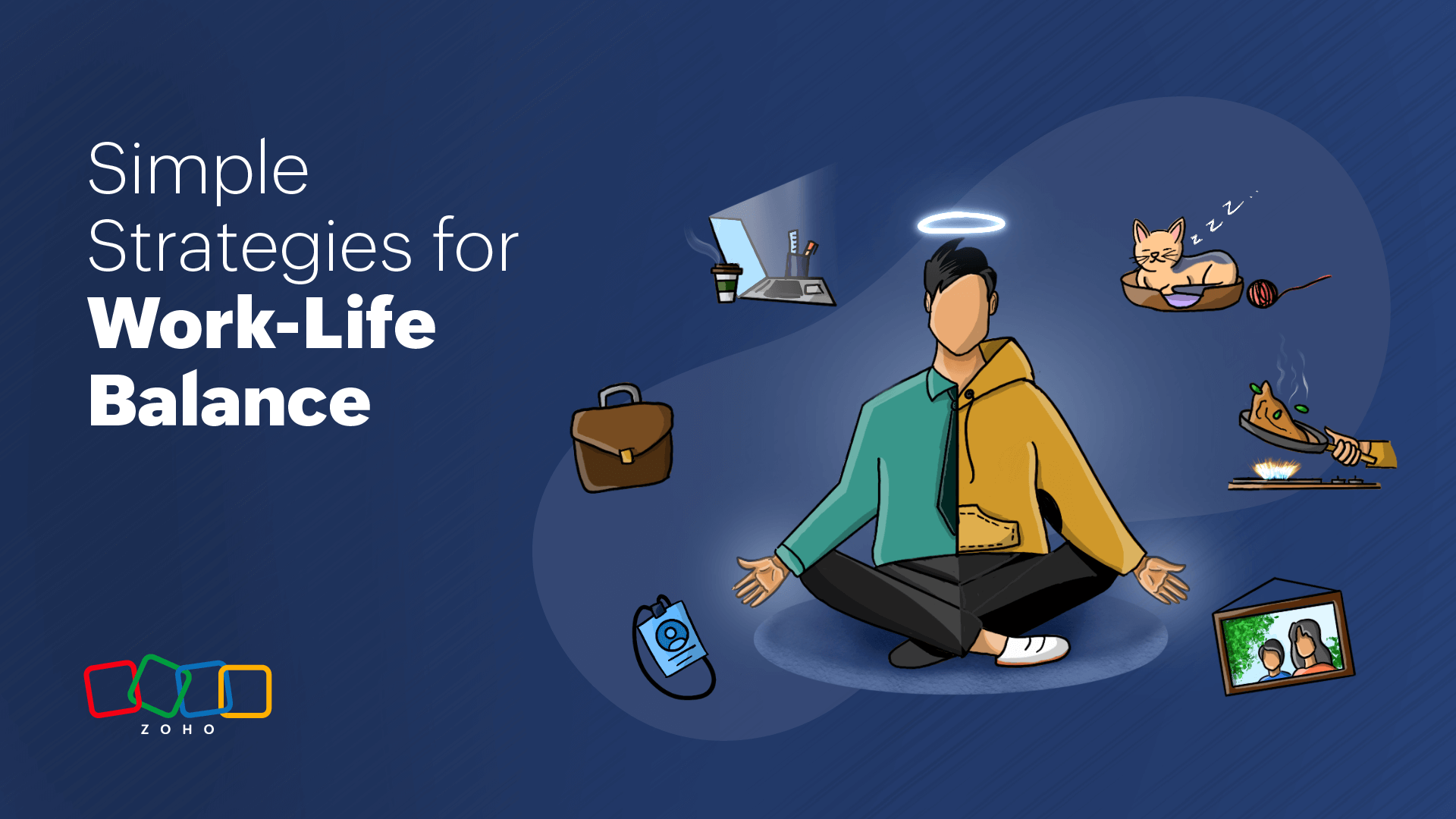
While the effects of CPA can be detrimental, there are strategies that individuals can take to mitigate its impact on work-life balance.
- Attention Budgeting: Allocate focused blocks of time for deep work and creating physical and digital environments that support sustained concentration.
- Time Management: Set boundaries around work hours, prioritize self-care, and create space for reflection and contemplation.
- Digital Literacy: Develop skills and strategies for effectively managing digital stimuli, such as email, social media, and notifications.
- Boundary Setting: Establish clear boundaries with colleagues, family, and friends to maintain a healthy work-life balance.
Conclusion
The impact of continuous partial attention on work-life balance is a significant concern in today's digital age. By recognizing the cognitive mechanisms at play and implementing evidence-based strategies to mitigate attention fragmentation, businesses can protect both their operational performance and the wellbeing of their employees.
By taking steps to mitigate the effects of CPA, individuals can regain control over their attention, reduce stress levels, and improve their overall wellbeing, ultimately leading to a better work-life balance.