The Ultimate Guide to Multimeters: A Comprehensive Overview
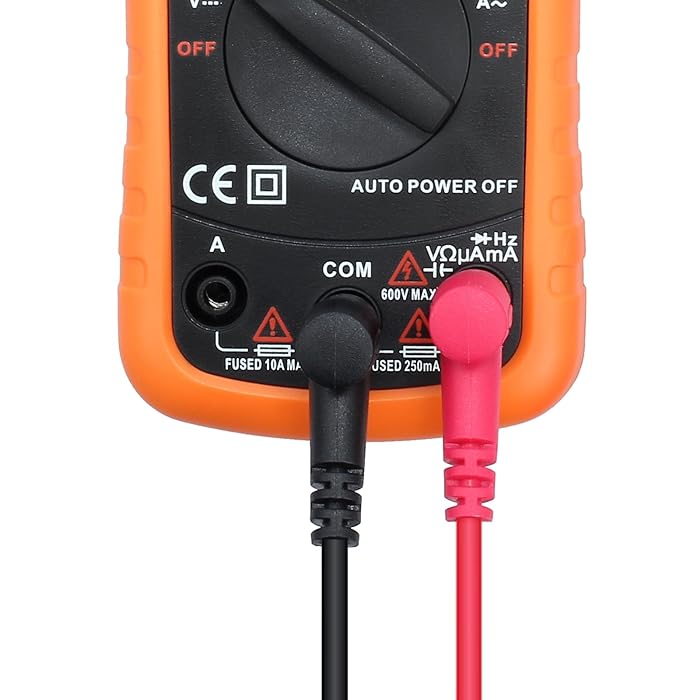
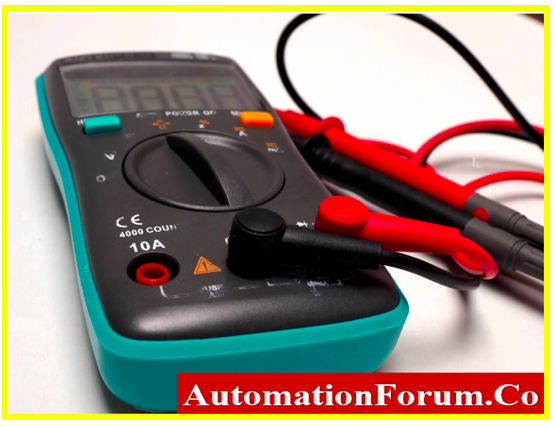
A multimeter is an essential tool for anyone working with electrical systems, electronics, or DIY projects. This versatile device can measure various electrical properties, including voltage, current, and resistance, making it an indispensable asset for professionals and hobbyists alike. In this article, we'll delve into the world of multimeters, exploring their types, features, and applications.
What is a Multimeter?
A multimeter, also known as a multi-tester, volt-ohm-milliammeter, or VOM, is a measuring instrument that can measure multiple electrical properties. The term "multimeter" refers to the device's ability to measure several parameters, such as voltage, resistance, and current. Some multimeters may also feature additional functions, such as temperature, capacitance, or frequency measurement.
Types of Multimeters
There are two primary types of multimeters: analog and digital.
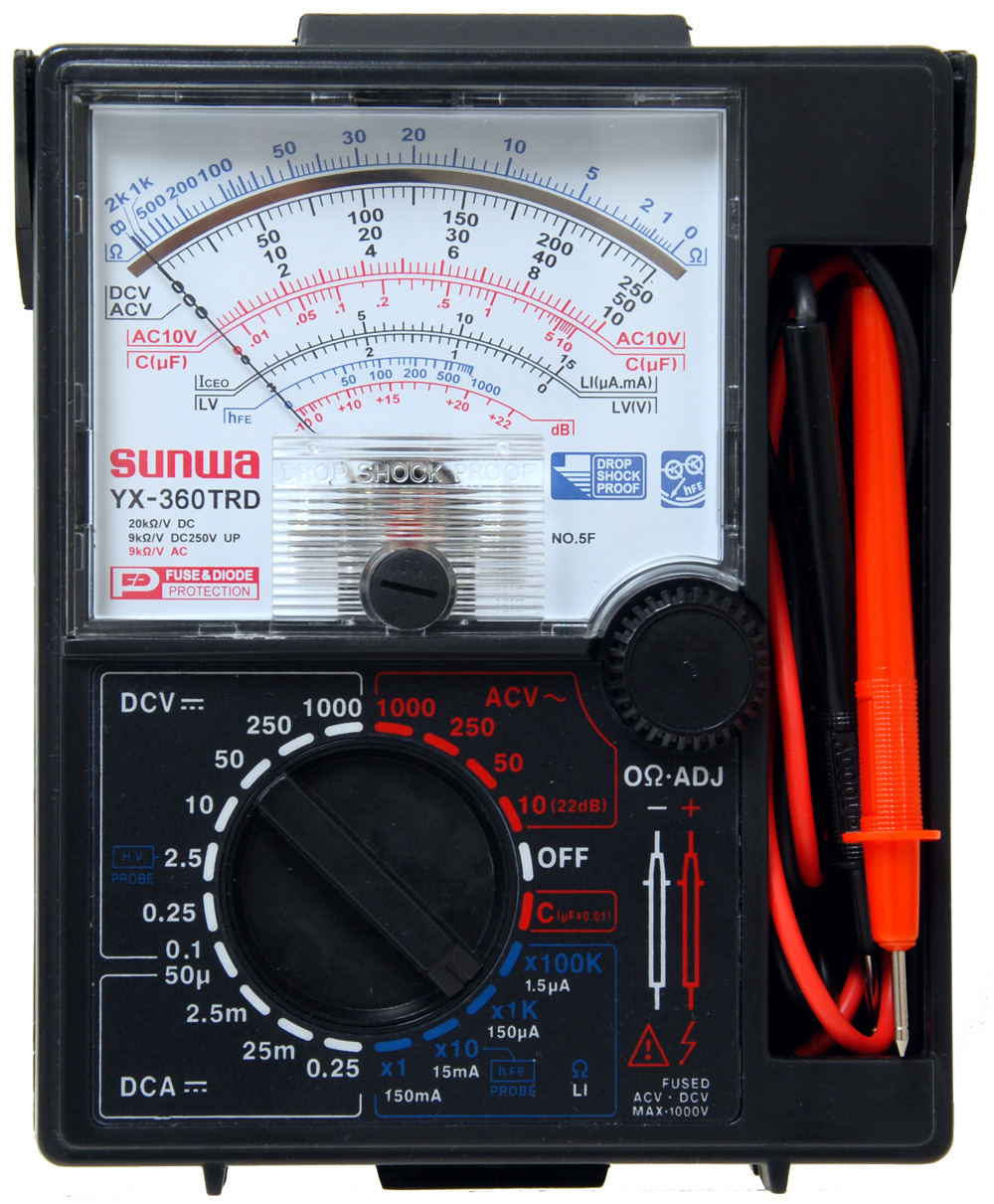
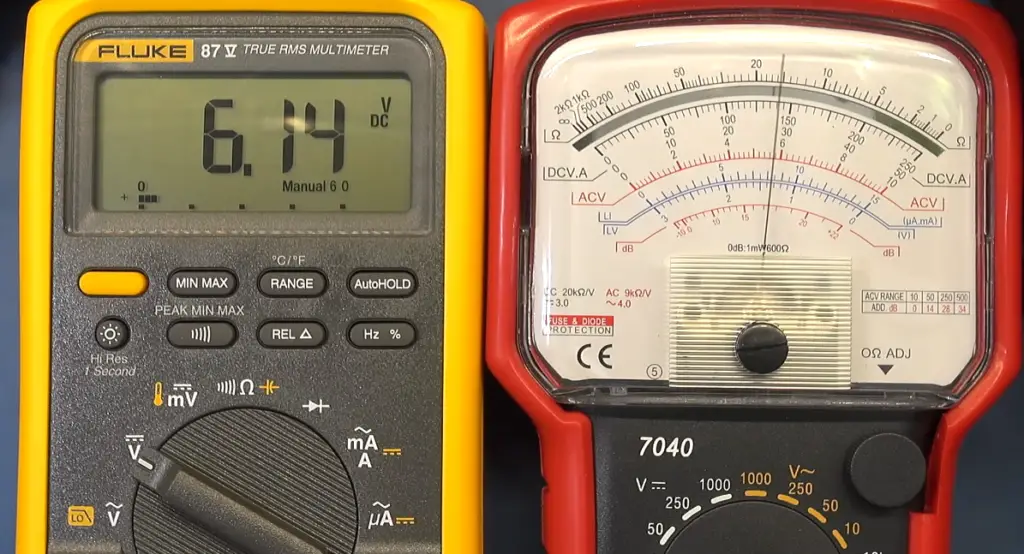
- Analog Multimeters: These traditional multimeters use a needle to indicate measurements on a dial. Analog multimeters are less accurate and more prone to errors compared to digital multimeters.
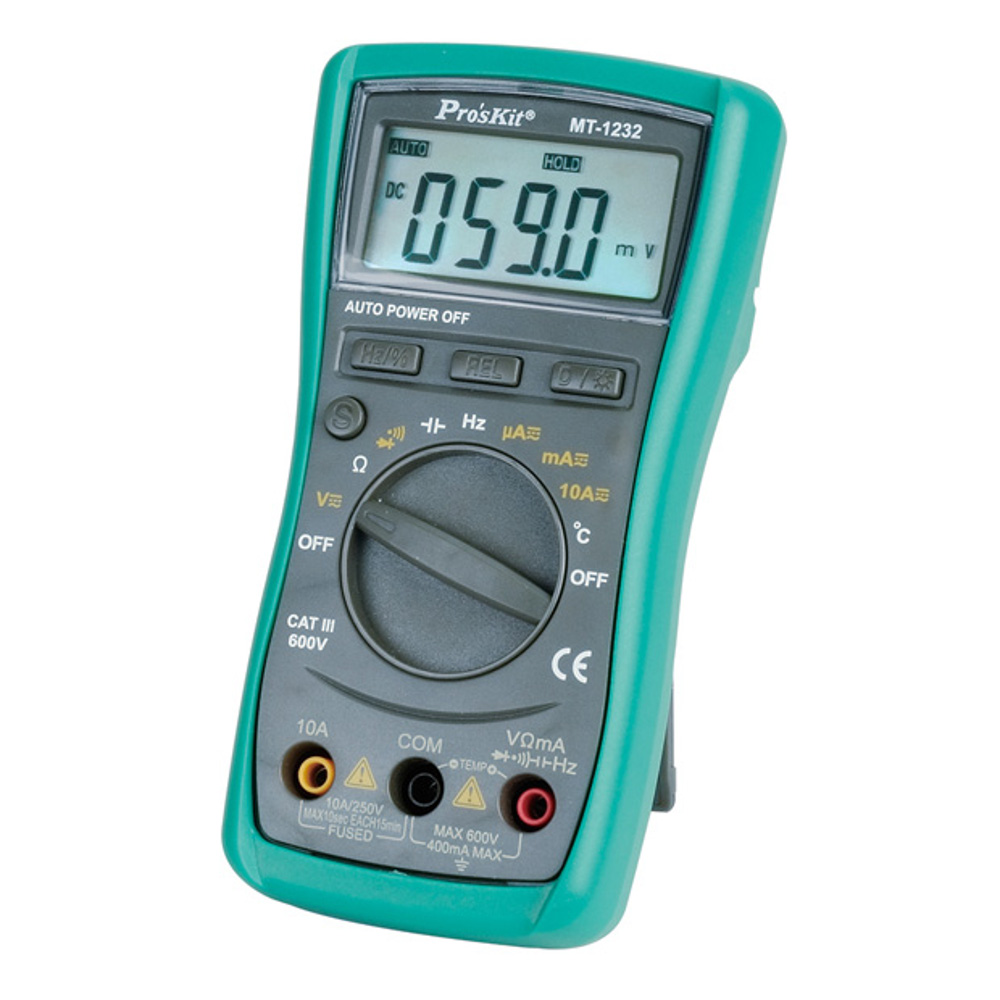
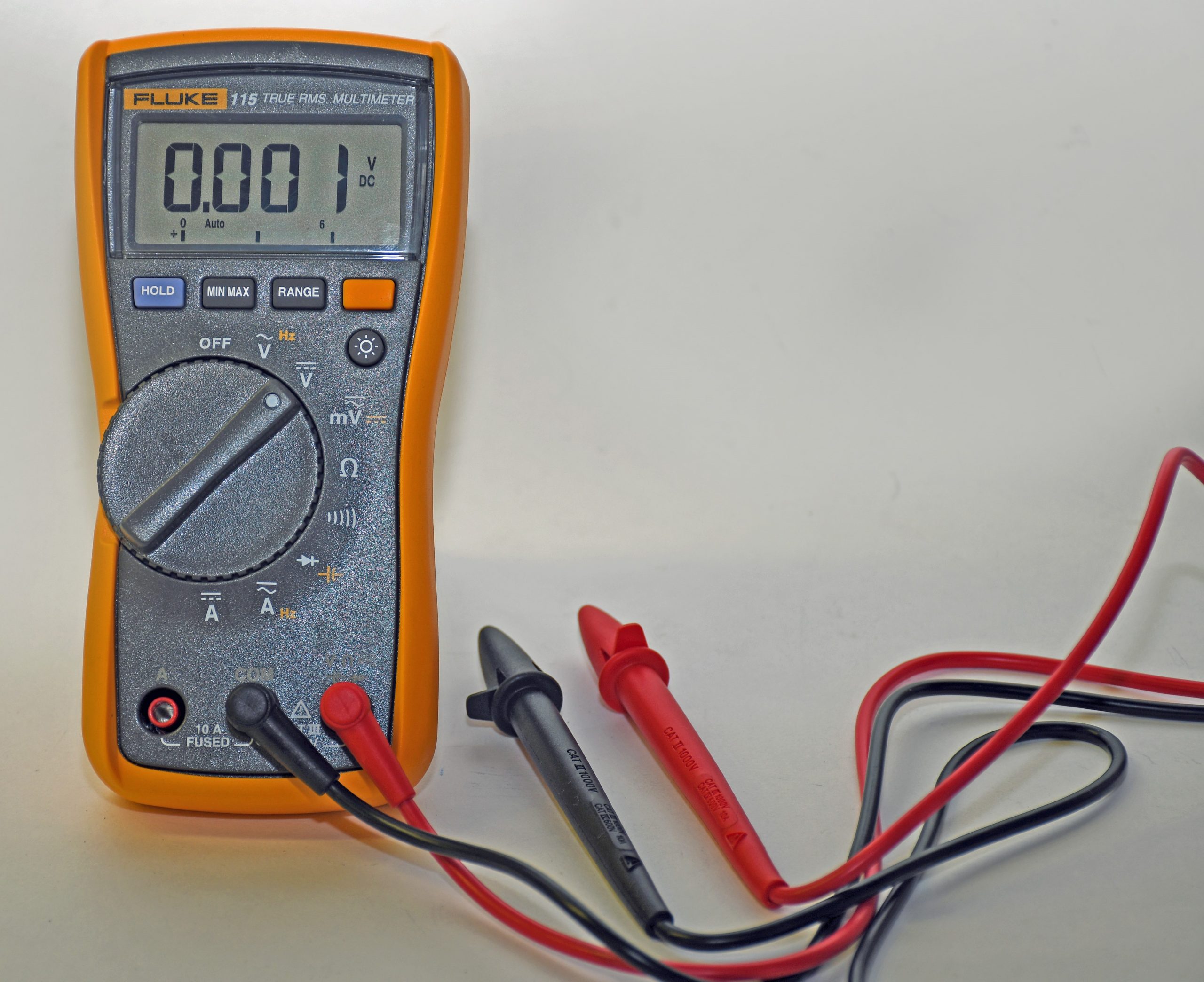
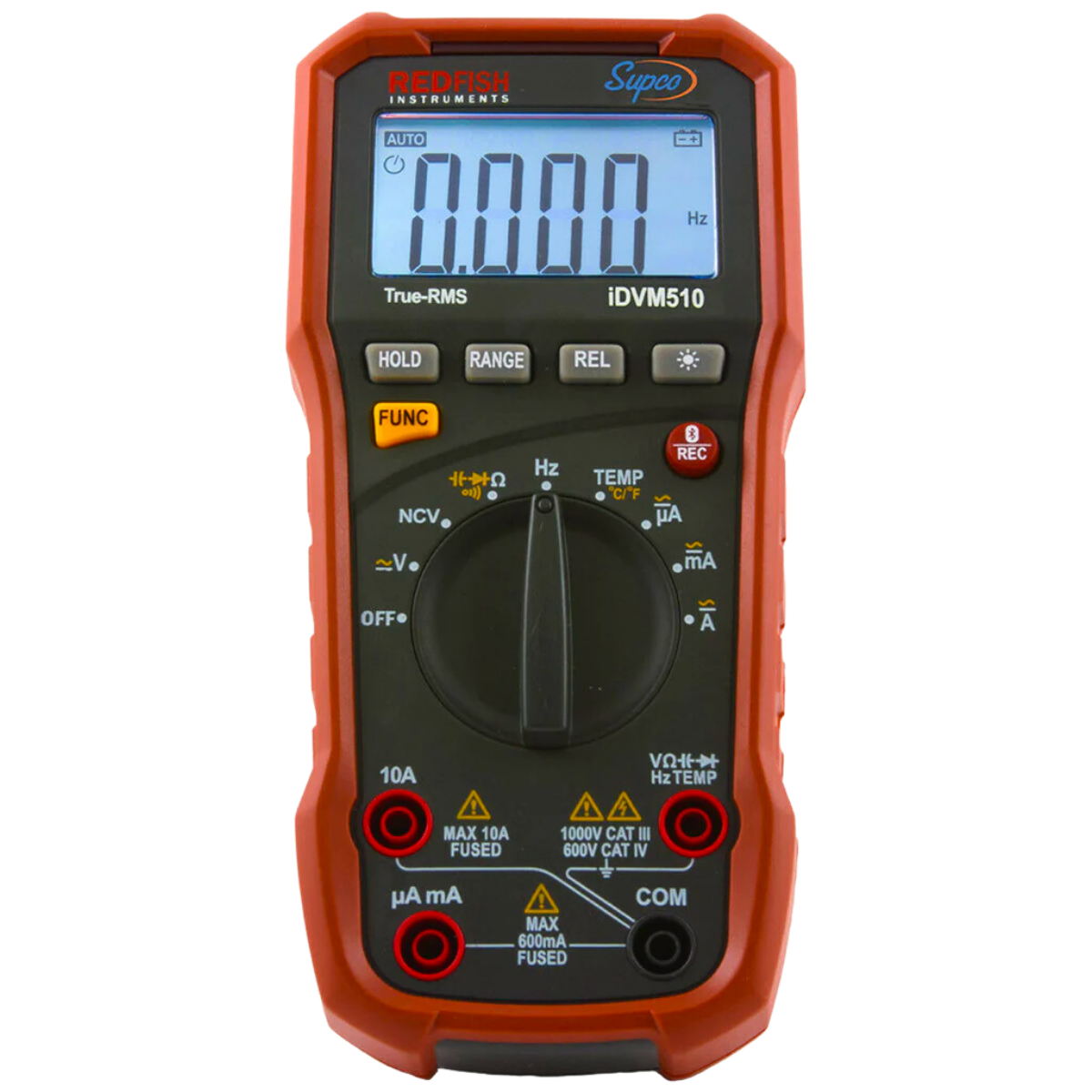
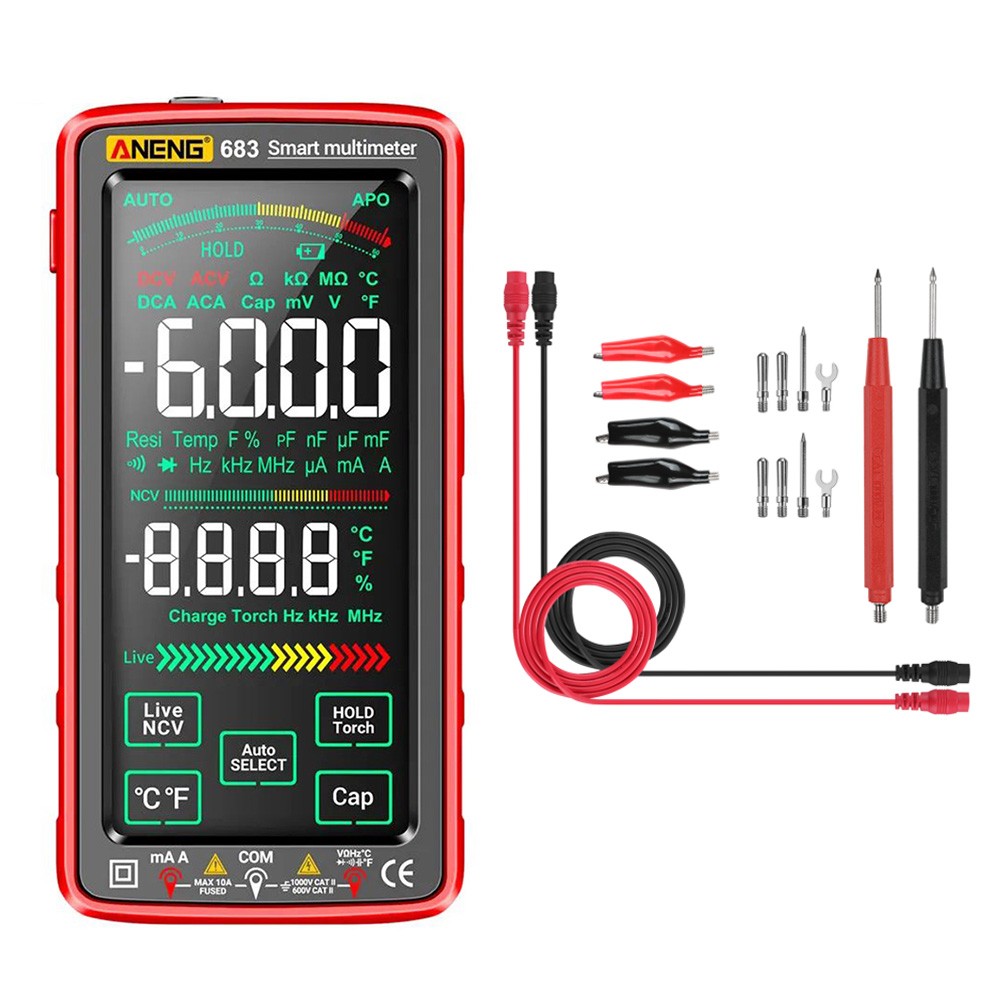
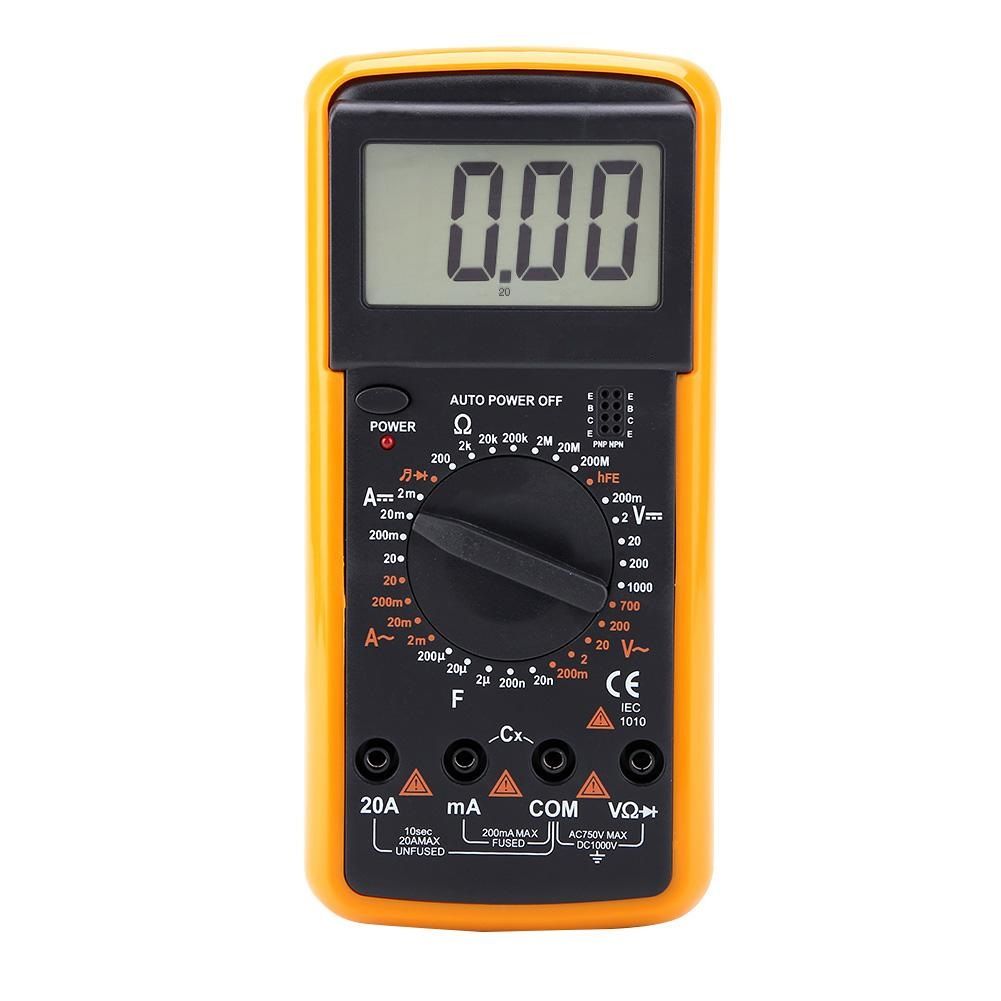
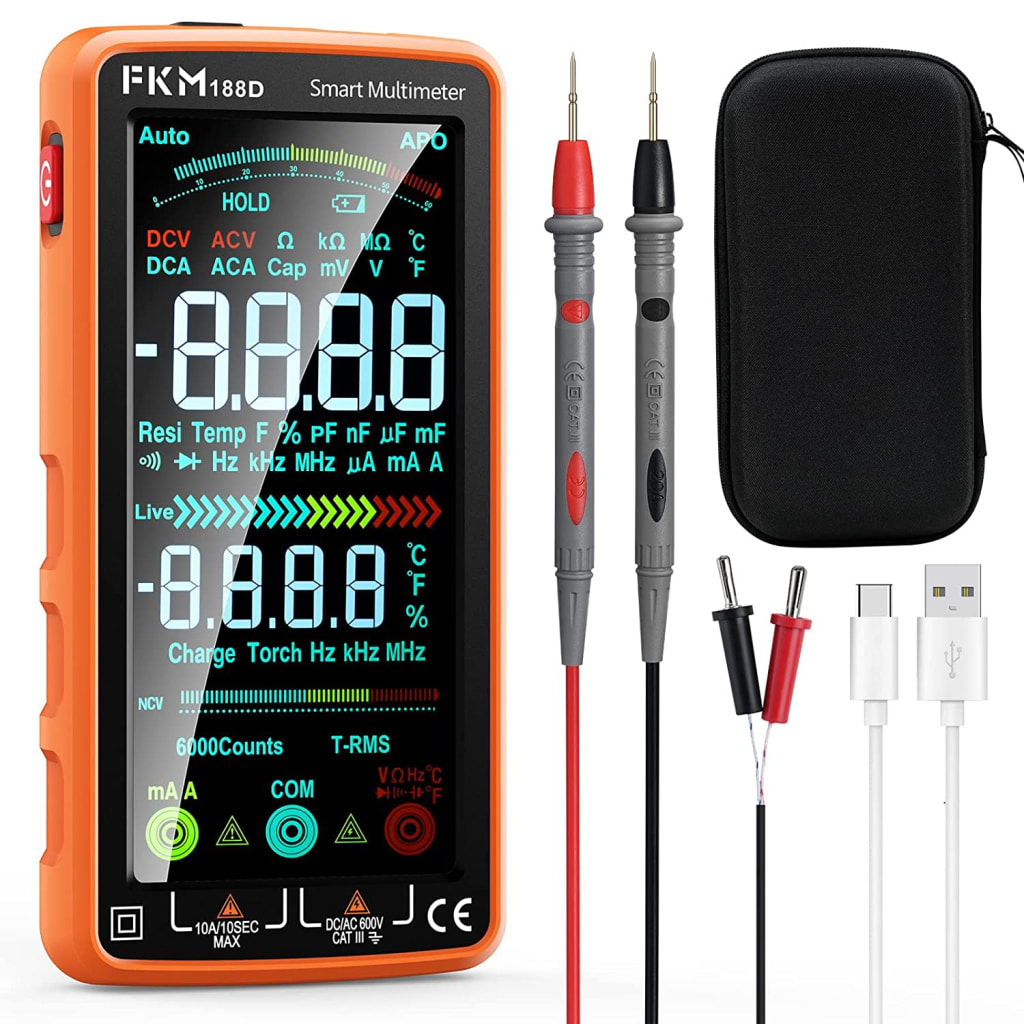
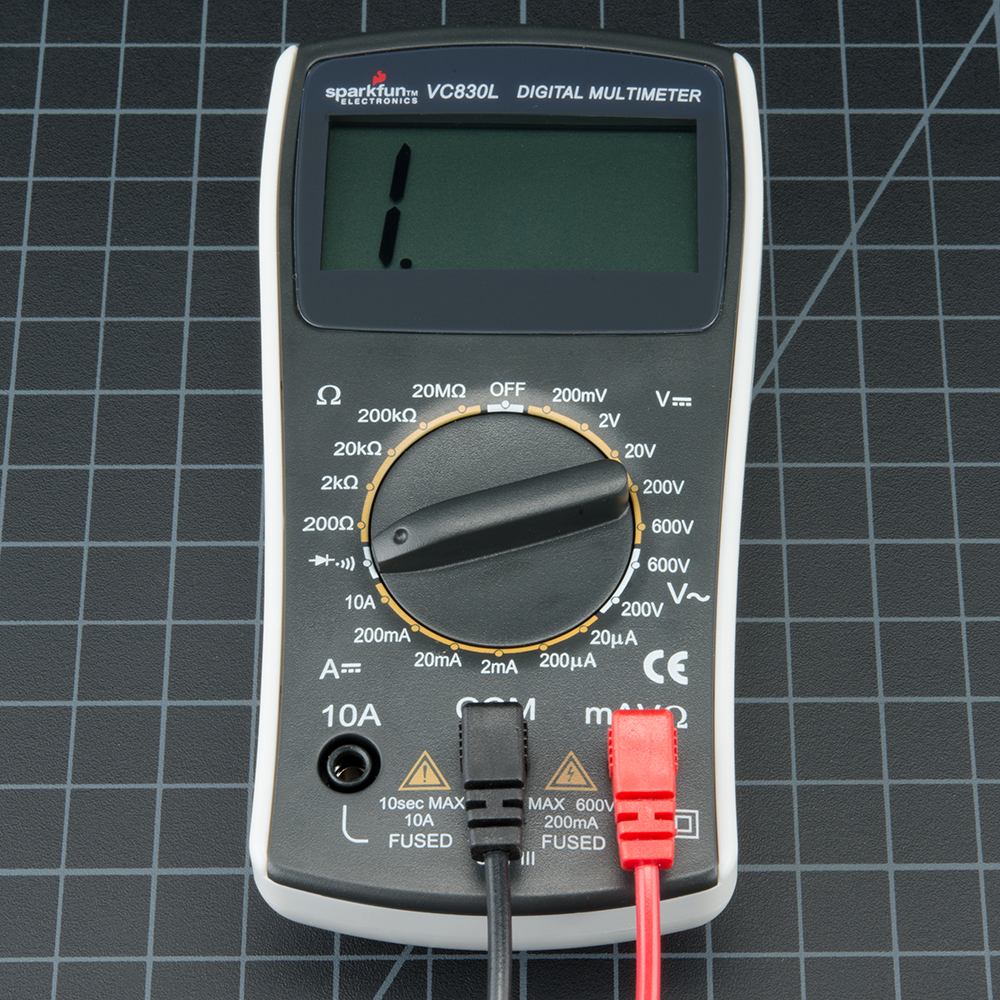
- Digital Multimeters: These modern multimeters display measurements on a digital screen. Digital multimeters are more accurate, reliable, and easier to read than analog multimeters.
Features of Multimeters
When selecting a multimeter, consider the following features:
- Accuracy**: Look for multimeters with high accuracy ratings, typically expressed in percentage or decimal points.
- Range**: Choose a multimeter with a suitable range for your applications, such as voltage, current, or resistance.
- Auto-Ranging**: An auto-ranging multimeter can automatically select the correct measurement range, saving time and reducing errors.
- Display**: Consider a multimeter with a backlit display or a high-contrast screen for better visibility in low-light conditions.
- Safety Features**: Ensure the multimeter has built-in safety features, such as overload protection, to prevent damage or injury.
Applications of Multimeters
Multimeters are used in various industries and applications, including:
- Electrical Diagnosis**: Multimeters help diagnose electrical issues in vehicles, appliances, and equipment.
- Electronic Testing**: Multimeters are used to test and troubleshoot electronic circuits, components, and devices.
- Industrial Automation**: Multimeters are employed in industrial settings to measure and monitor electrical parameters in machines and systems.
- Home Maintenance**: Multimeters are useful for DIY enthusiasts and homeowners to diagnose and repair electrical issues in their homes.
Conclusion
In conclusion, multimeters are versatile and essential tools for anyone working with electrical systems, electronics, or DIY projects. By understanding the types, features, and applications of multimeters, you can make an informed decision when selecting a multimeter for your needs. Whether you're a professional electrician or a DIY enthusiast, a multimeter is an indispensable asset that can help you diagnose, troubleshoot, and repair electrical issues with confidence.
Recommendations
When choosing a multimeter, consider the following recommendations:
- Fluke Multimeters**: Fluke is a renowned brand in the electrical testing industry, offering high-quality multimeters for various applications.
- Klein Tools Multimeters**: Klein Tools is a trusted brand among electricians and DIY enthusiasts, offering reliable and accurate multimeters for electrical testing.
- Digital Multimeters**: Digital multimeters are generally more accurate and reliable than analog multimeters and are recommended for most applications.
Final Tips
When using a multimeter, always follow proper safety procedures and guidelines to ensure safe and accurate measurements. Regularly calibrate and maintain your multimeter to ensure optimal performance and accuracy.