Expired Medication Safety and Storage: What You Need to Know
The Importance of Expiration Dates
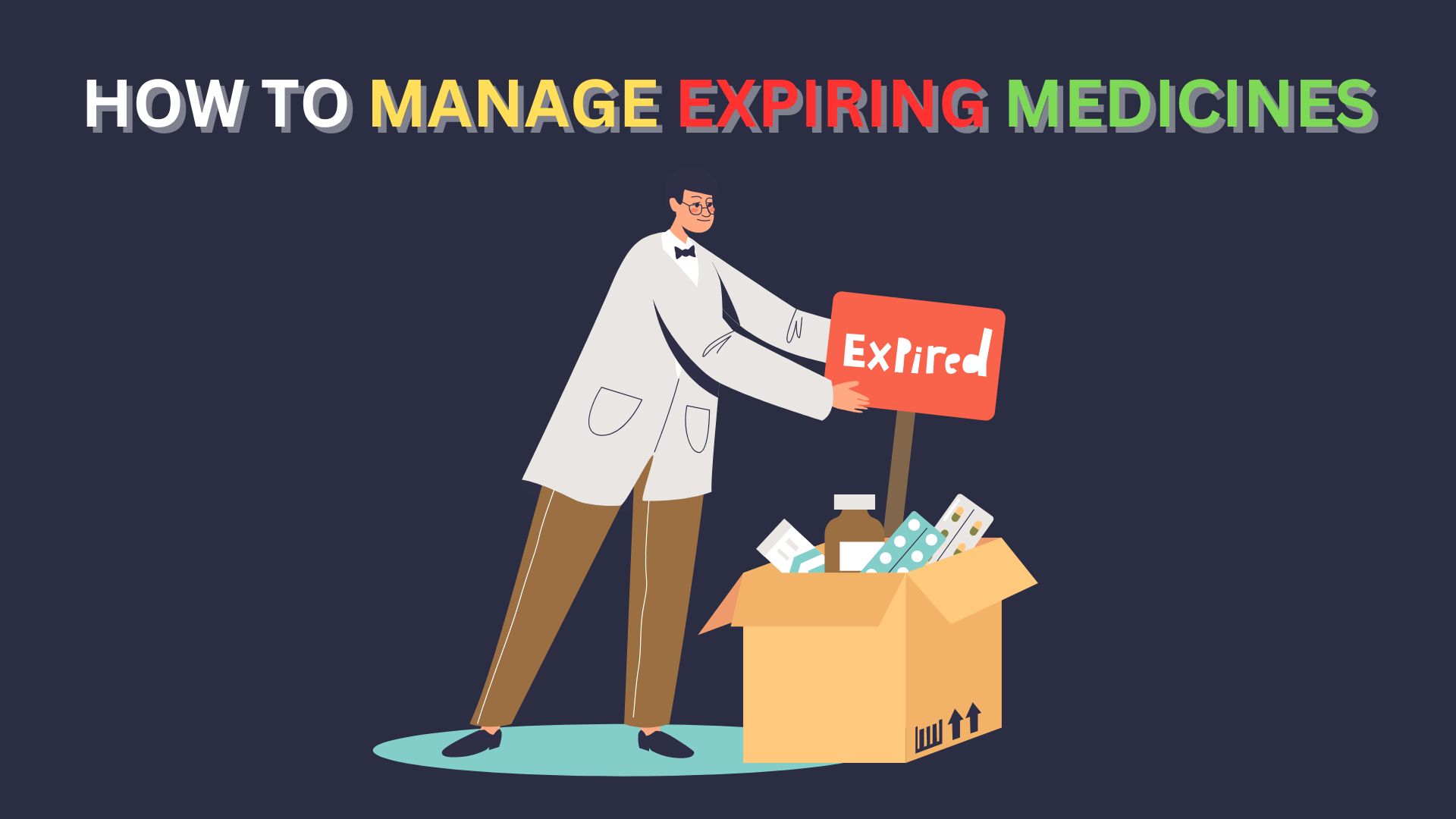
Do you know what it means when a medication expires? The expiration date is the final day that the manufacturer guarantees the full potency and safety of a medication. This date exists on most medication labels, including prescription, over-the-counter (OTC), and dietary (herbal) supplements. While expired medications may not be as effective as they once were, they can still pose a risk to your health and safety.
Factors Affecting Drug Efficacy Post-Expiration
The effectiveness of a medication after expiration depends on various factors, including its storage conditions, the type of medication, and the duration of storage. For example, some medications, such as OTC pain relievers, may retain their stability and potency well beyond their expiration date. However, other medications, like insulin, may lose their potency much sooner.
Safe Storage of Medications
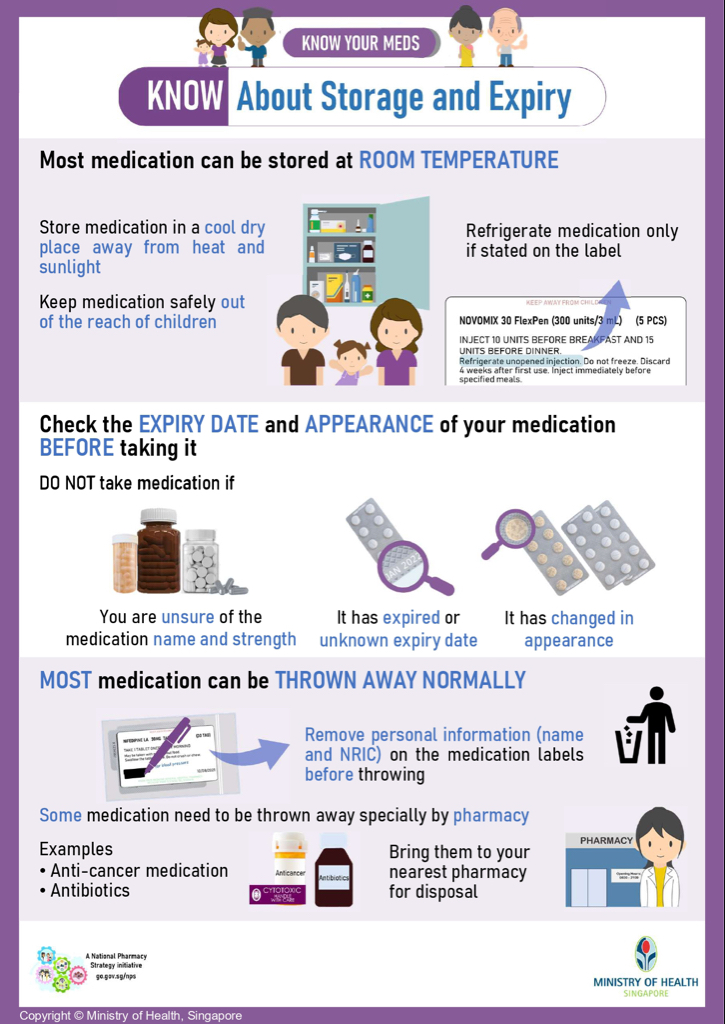
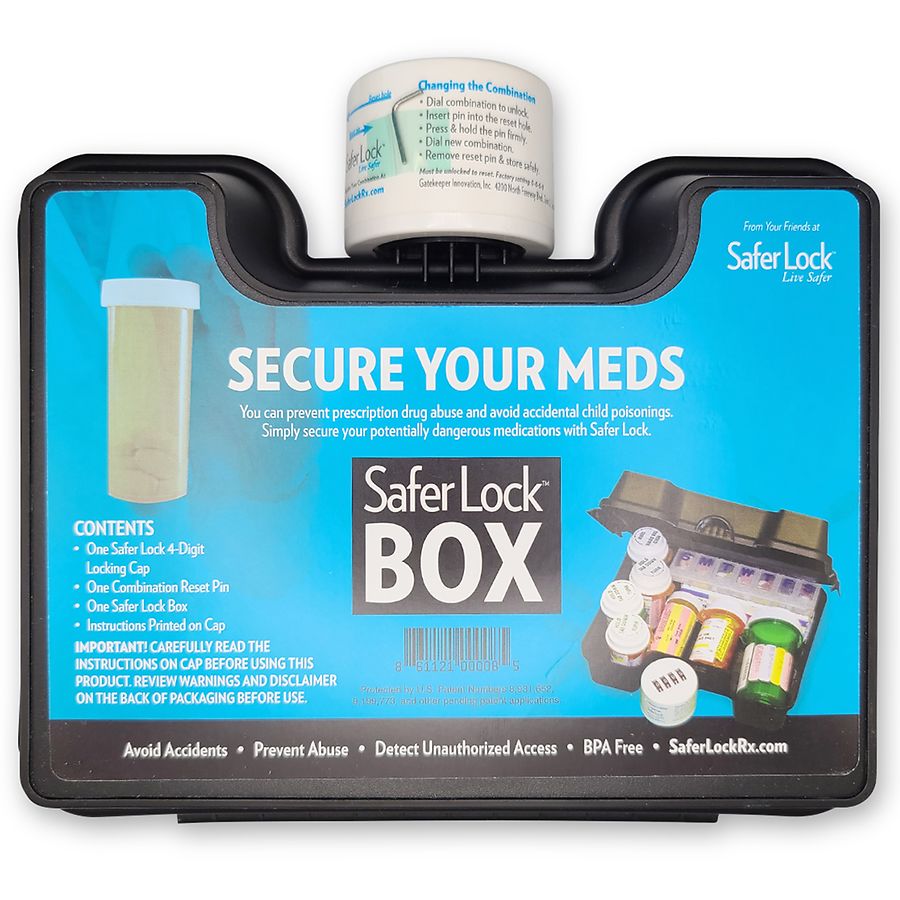
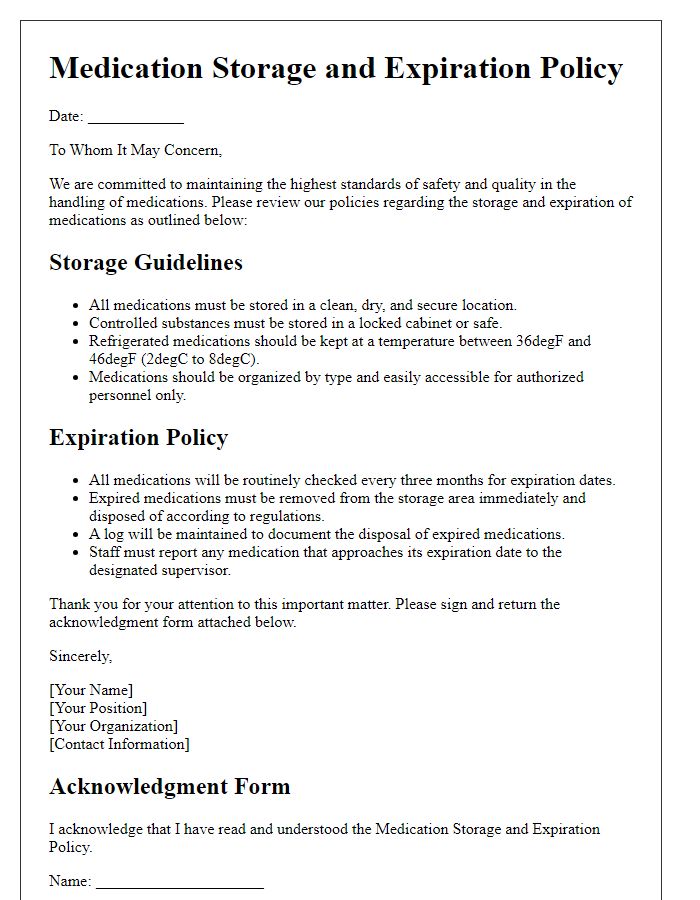
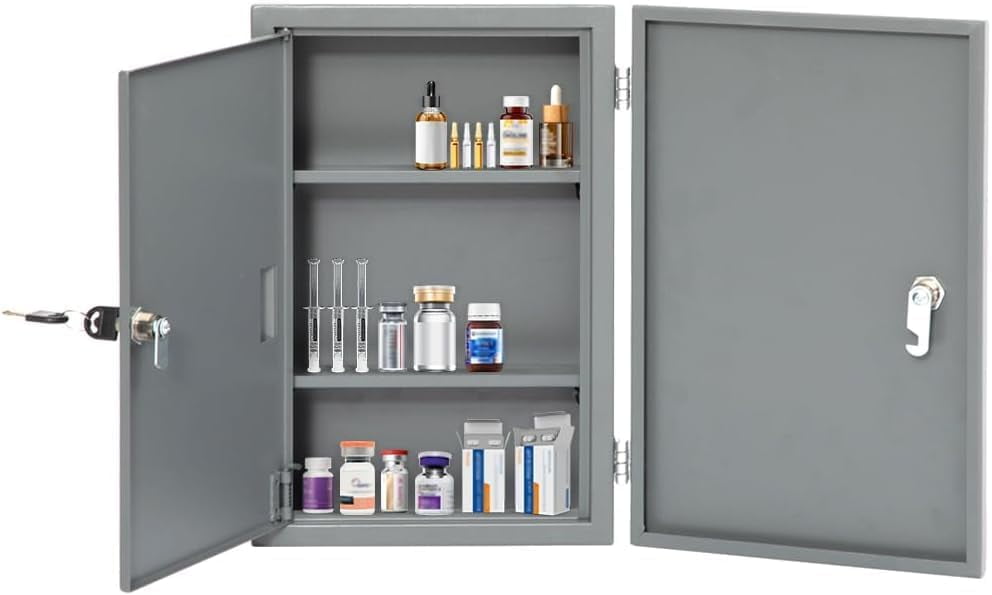
Proper storage is one way to help ensure that your medications remain safe and effective up to their expiration date. Be sure to read the label to see if there are specific storage instructions. Generally, medications should be stored in a cool, dry place, away from direct sunlight and heat sources.
Disposing of Expired Medications
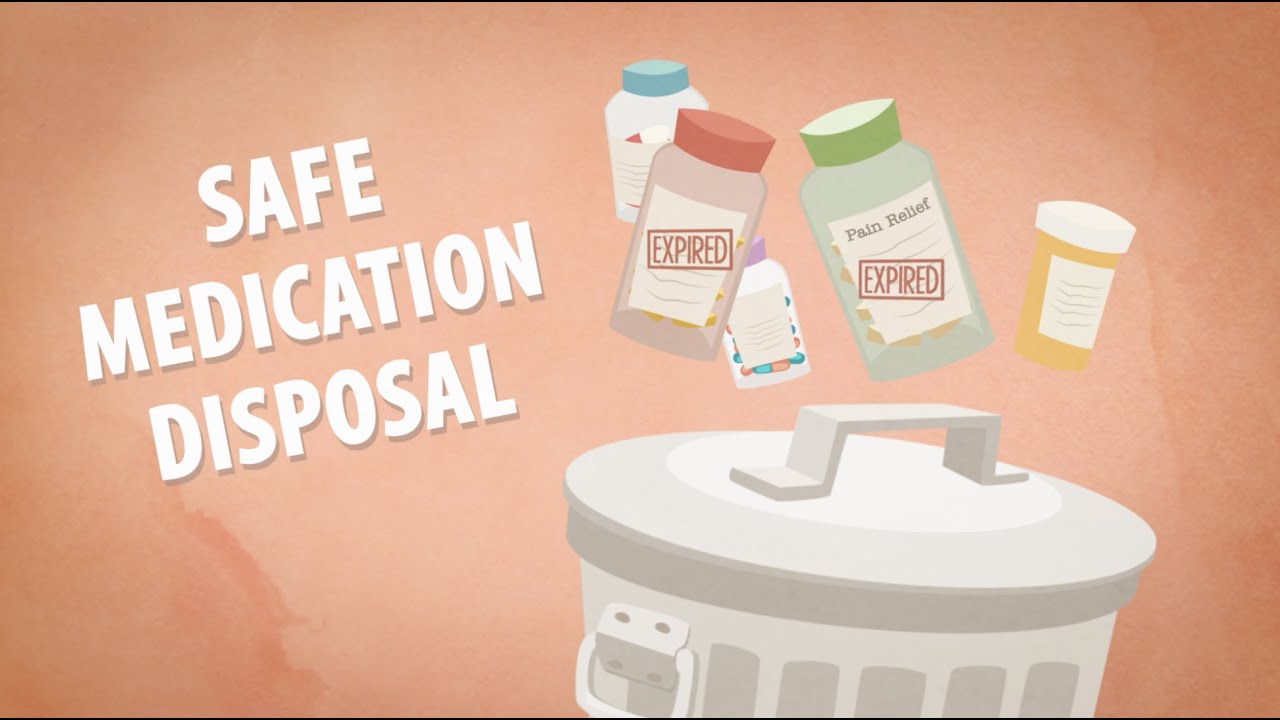
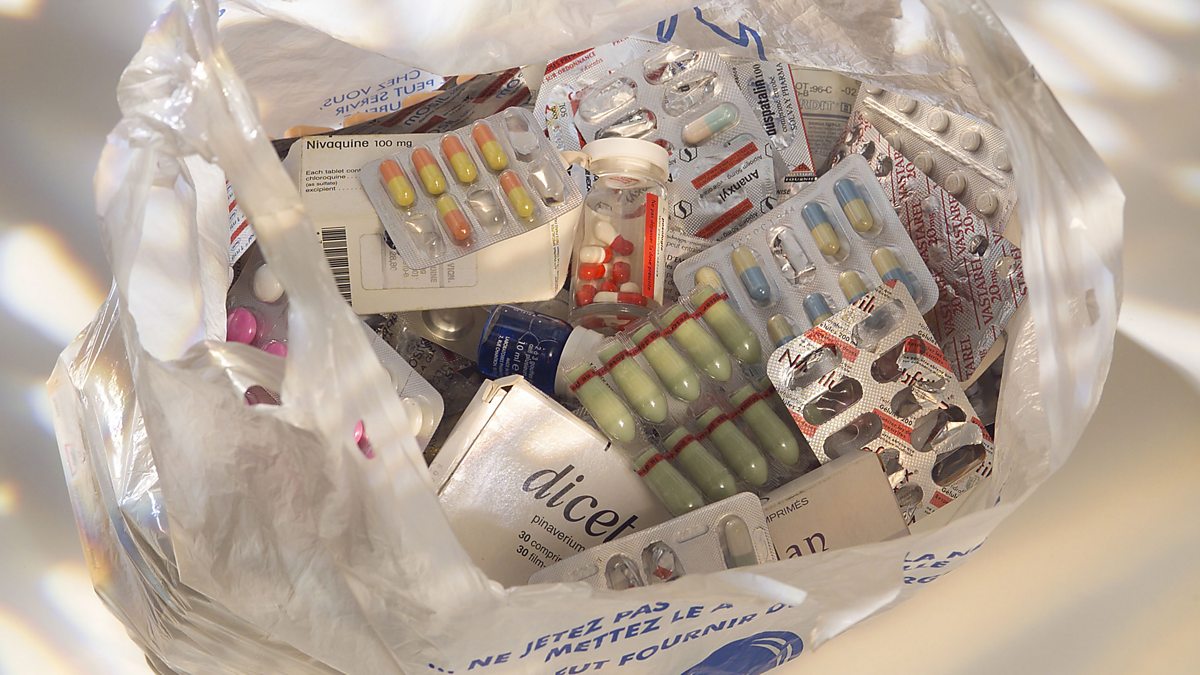
When it comes to disposing of expired medications, it's essential to do so safely. You can take unused or expired medications to a pharmacy or a medication disposal location for proper disposal. Some communities also offer special kiosks for safe medication disposal.
Preventing Medication Errors
Misusing or misstoring medications can lead to serious health consequences. To avoid medication errors, it's crucial to keep track of your medications and their expiration dates. You can also consult with a healthcare professional for guidance on medication storage and disposal.
Common Medications and Their Expiration Dates
- OTC pain relievers, such as ibuprofen and acetaminophen, are generally safe to take beyond their expiration date, but it's best to replace them within a few months.
- Prescription medications, such as insulin, may lose their potency much sooner after expiration and should be replaced as soon as possible.

Spring Cleaning and Medication Disposal
During spring cleaning, it's essential to check your medicine cabinet for expired or unused medications. Hanging onto them can be risky, as outdated medicines can lose their effectiveness or even harm you. You can dispose of these items safely by taking them to a pharmacy or a medication disposal location.
Proper Disposal Methods
- Take unused or expired medications to a pharmacy or a medication disposal location.
- Use a medication disposal kiosk, if available in your area.
- Follow the guidelines provided by your healthcare professional or the medication's manufacturer for safe disposal.
Conclusion
Expired medications may not be as effective as they once were, but they can still pose a risk to your health and safety. By understanding the factors affecting drug efficacy post-expiration, storing medications properly, and disposing of them safely, you can ensure your safety and well-being. Always consult with a healthcare professional for guidance on medication storage and disposal.
Additional Resources
For more information on expired medication safety and storage, visit the following resources:
- American Academy of Family Physicians (AAFP) - Expired Medications
- Food and Drug Administration (FDA) - Safe Disposal of Expired Medications
- World Health Organization (WHO) - Safe Disposal of Expired Medications
References
References cited in this article include:
- American Academy of Family Physicians (AAFP). (2022). Expired Medications
- Food and Drug Administration (FDA). (2022). Safe Disposal of Expired Medications
- World Health Organization (WHO). (2022). Safe Disposal of Expired Medications