How to Make a Bed Bug Trap
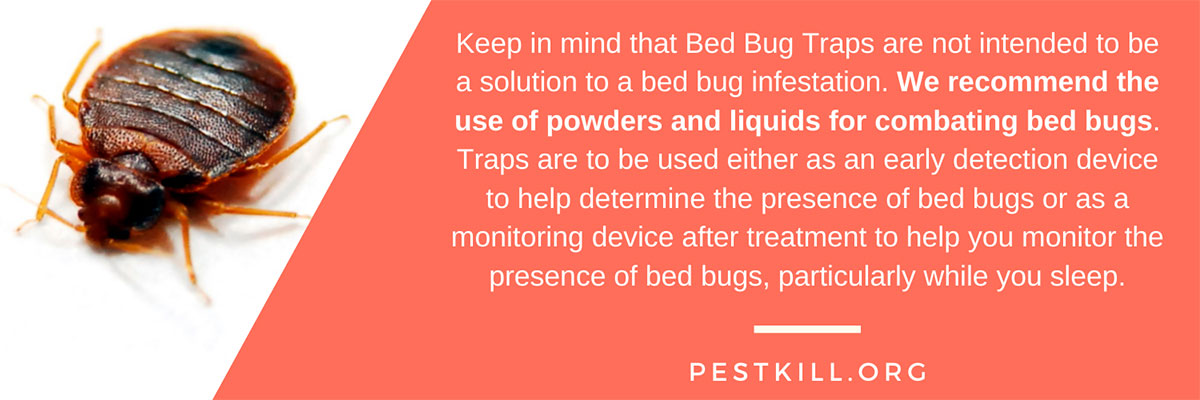
Bed bugs are a growing concern for many homeowners, and eliminating them can be a daunting task. However, creating a bed bug trap can be a simple and effective way to monitor and reduce infestations. In this article, we'll explore the process of making a homemade bed bug trap using common household items.
Understanding Bed Bug Behavior
Before we dive into the DIY process, let's understand why bed bugs are attracted to certain things. Bed bugs are primarily drawn to warmth, carbon dioxide, and human scent. This means that they are likely to be found near people, beds, and furniture. To create an effective trap, we need to recreate these conditions in a controlled environment.
Materials Needed
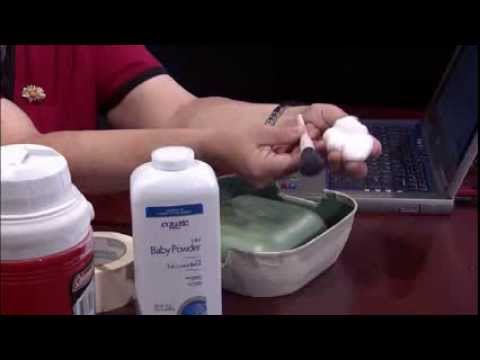
- Two plastic containers or bowls
- Clear tape
- Talcum powder or diatomaceous earth
- Yeast
- Sugar
- Warm water
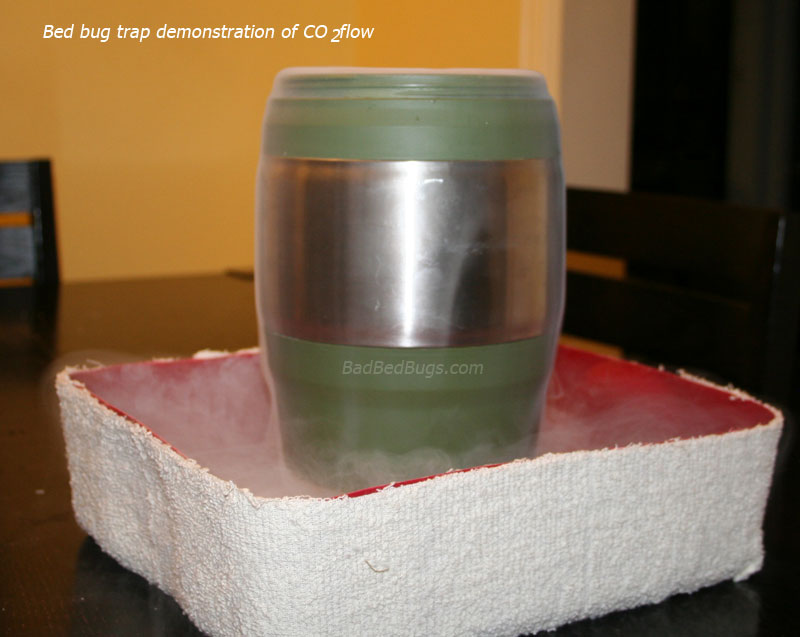
Method 1: Homemade Bed Bug Trap with CO2
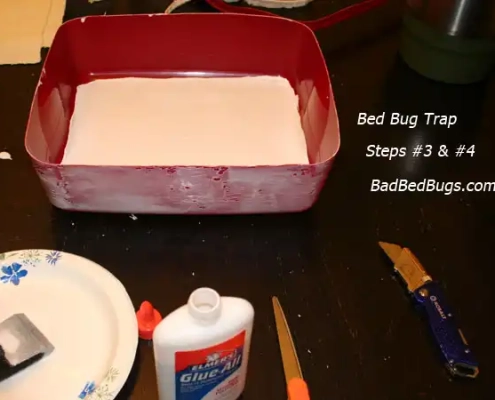
This method uses a yeast and sugar mixture to create a CO2-rich environment that attracts bed bugs. To make the trap:
- Mix 2 cups of sugar with 2 liters of warm water to create a sugar solution.
- Add 1 teaspoon of yeast to the solution and stir well.
- Place the solution in one of the plastic containers.
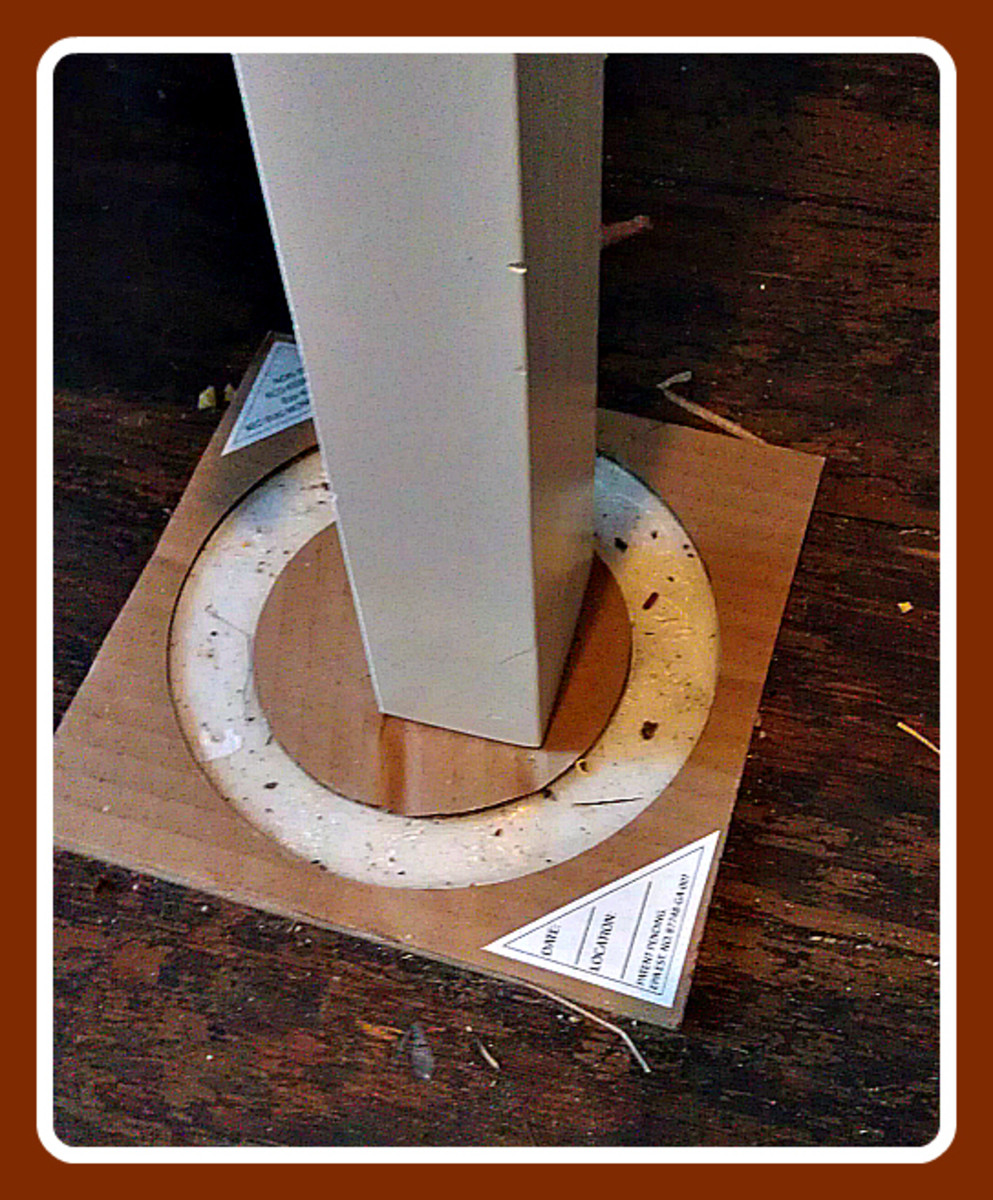
- Put the other container upside down over the solution, creating a moat with a small opening for bed bugs to enter.
- Seal the edges with clear tape and place near furniture or areas where bed bugs are likely to be found.
Method 2: Diatomaceous Earth Trap

This method uses diatomaceous earth to dehydrate and kill bed bugs. To make the trap:
- Place a thin layer of diatomaceous earth around the edges of one of the plastic containers.
- Place the other container upside down over the diatomaceous earth, creating a moat with a small opening for bed bugs to enter.
- Seal the edges with clear tape and place near furniture or areas where bed bugs are likely to be found.
Monitoring and Maintenance
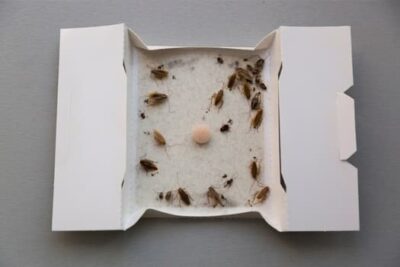
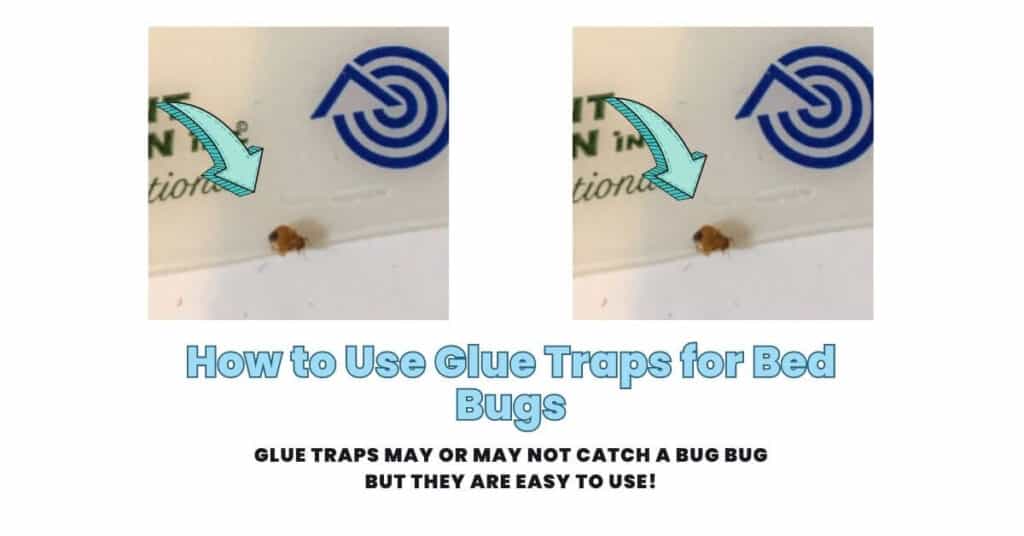
Once you've created your bed bug trap, monitor the area regularly to see if you've caught any bed bugs. Remove any dead or trapped bed bugs and replace the bait or diatomaceous earth as needed.
Benefits of Homemade Bed Bug Traps
Homemade bed bug traps offer several benefits, including:
- Cost-effective
- Easy to make
- Non-toxic
- Effective in monitoring and reducing infestations
Conclusion
Creating a homemade bed bug trap is a simple and effective way to monitor and reduce bed bug infestations. By understanding bed bug behavior and using common household items, you can create a trap that attracts and captures bed bugs. Remember to monitor and maintain your trap regularly to ensure its effectiveness.