The Challenge of Implementing a No Phubbing Policy
The widespread use of smartphones has led to a significant shift in the way we interact with each other. A phenomenon known as phubbing has emerged, where individuals prioritize their mobile devices over face-to-face interactions, leading to a decline in meaningful communication and deepening relationships.
Understanding Phubbing
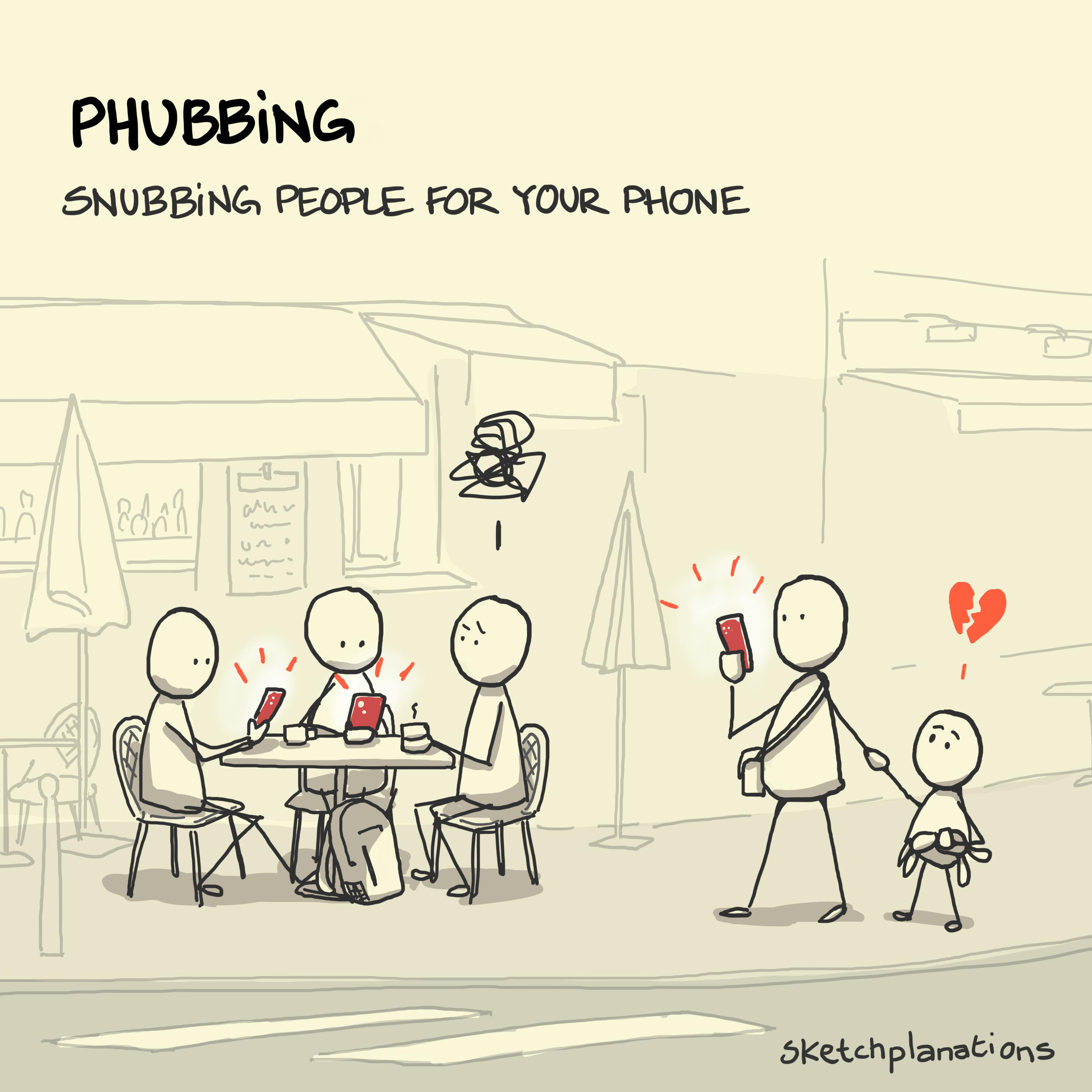
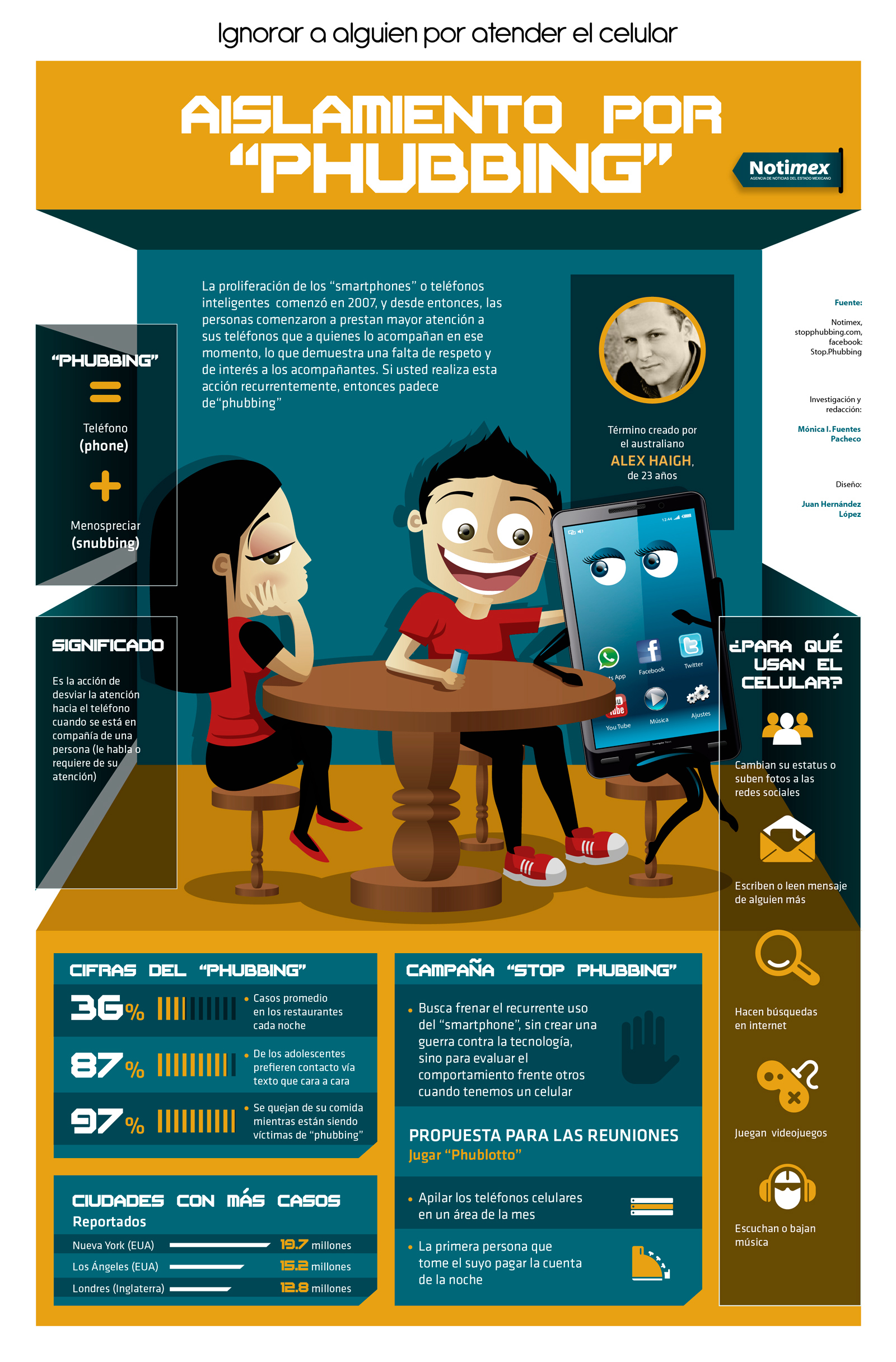
Phubbing is the act of snubbing or ignoring others in favor of a mobile phone, typically in social situations where face-to-face interaction is expected. This behavior has become increasingly common, with people of all ages guilty of phubbing in various settings, including restaurants, family gatherings, and workplaces.
Rise of Phubbing in the Workplace
The COVID-19 pandemic has accelerated the shift to remote work, which has contributed to the rise of phubbing in the workplace. Employees are more likely to check their phones and respond to messages during meetings, leading to productive interactions being hindered. This can have significant consequences, including decreased engagement, decreased job satisfaction, and lower productivity.
- Decreased engagement: When employees are constantly checking their phones, they are less likely to participate in discussions and contribute to work-related tasks.
- Decreased job satisfaction: Constant phubbing can lead to feelings of disconnection and isolation, resulting in decreased job satisfaction and motivation.
- Lower productivity: The constant distraction of phubbing can lead to errors, missed deadlines, and decreased productivity.
The Challenge of Implementing a No Phubbing Policy

Implementing a no phubbing policy can be challenging for organizations due to the complexities involved. Here are some factors to consider:
- Employee acceptance and buy-in: Employees may resist a no phubbing policy if they are not convinced of its necessity or see it as an infringement on their personal freedom.
- Leadership commitment: Management and leadership must model the behavior they want to see in their employees, which can be a challenge if they themselves are guilty of phubbing.
- Monitoring and enforcement: It can be difficult to track and manage phubbing behaviors in a workplace setting, especially in remote work arrangements.
- Impact on relationships: A no phubbing policy can lead to strained relationships between employees if not implemented carefully, particularly if employees feel it is an invasion of their personal space.
Strategies for Implementing a No Phubbing Policy
To overcome these challenges, organizations can implement the following strategies:
- Employee training and awareness: Educate employees on the effects of phubbing and the importance of face-to-face communication.
- Leadership modeling: Managers and leaders must lead by example and model the behavior they want to see in their employees.
- Clear policies and procedures: Establish a clear no phubbing policy and communicate it to all employees, with consequences for non-compliance.
- Technology tools and trackers: Utilize tools and trackers to monitor and manage phone usage, especially in remote work arrangements.
Conclusion
Implementing a no phubbing policy can be challenging, but with the right strategies and commitment from leadership, it can have significant benefits for employee relationships, productivity, and overall well-being. By understanding the impact of phubbing and taking steps to address it, organizations can create a more connected and productive work environment.