How to Protect Your Phone from Cyber Hackers: Essential Tips and Best Practices
With the increasing number of cyber attacks and data breaches, it's essential to take steps to protect your phone from hackers. Your phone contains sensitive information, such as personal data, financial information, and login credentials, which can be stolen or compromised if your device is hacked. In this article, we'll explore the risks of phone hacking, how hackers can gain access to your device, and provide you with actionable tips on how to protect your phone from cyber hackers.
Risks of Phone Hacking
Phone hacking can have severe consequences, including:
- Identity theft: Hackers can steal your personal data, including your name, address, and Social Security number, to open new credit accounts, loans, or other financial instruments in your name.
- Financial loss: Hackers can access your financial information, including bank accounts, credit card numbers, and login credentials, to steal your money or make unauthorized transactions.
- Privacy invasion: Hackers can access your phone's camera and microphone, allowing them to see and hear you without your knowledge.
- Data breaches: Hackers can steal sensitive information, including login credentials, passwords, and personal data, which can be sold on the dark web or used for malicious purposes.
How Hackers Can Gain Access to Your Phone
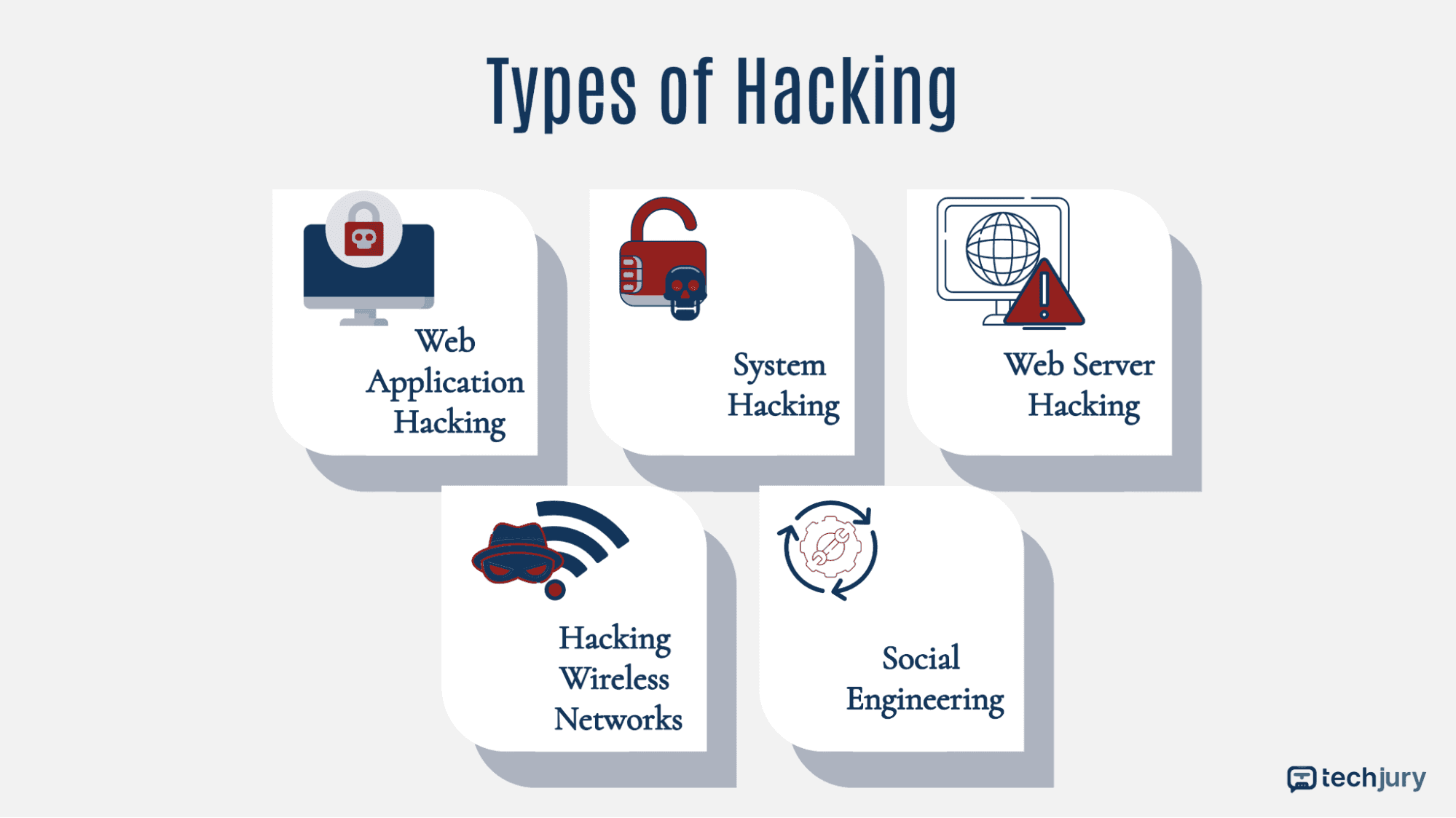
Hackers can gain access to your phone through various means, including:
- Phishing attacks: Hackers can send you fake emails or texts, masquerading as legitimate companies, to trick you into revealing your login credentials or other sensitive information.
- Malware and spyware: Hackers can infect your phone with malware or spyware, which can steal your data, compromise your security, or grant unauthorized access to your device.
- Password cracking: Hackers can use software tools to crack your password, gaining access to your device and sensitive information.
- Physical attacks: Hackers can physically access your phone, such as through theft or loss, to compromise your security and steal your data.
How to Protect Your Phone from Cyber Hackers

To protect your phone from cyber hackers, follow these essential tips:
- Use strong passwords:** Choose unique and complex passwords for your phone and all apps. Avoid using easily guessable information, such as your name, birthdate, or common words.
- Enable two-factor authentication (2FA):** Add an extra layer of security to your phone by requiring a code sent to your email or another device to access your device.
- Keep your phone and apps up-to-date:** Regularly update your phone's operating system and apps to ensure you have the latest security patches and features.
- Use a reputable antivirus app:** Install a reliable antivirus app to scan your phone for malware and other security threats.
- Be cautious with links and attachments:** Avoid clicking on suspicious links or opening attachments from unknown senders, as they may contain malware or phishing attacks.
- Use a VPN:** Enable a virtual private network (VPN) to encrypt your internet traffic and protect your data when using public Wi-Fi networks.
- Back up your data:** Regularly back up your phone's data to a secure location, such as a cloud storage service or an external hard drive.
- Monitor your accounts:** Regularly check your bank and credit card statements for suspicious activity and report any discrepancies to your financial institution.
Conclusion
Protecting your phone from cyber hackers requires a combination of knowledge, vigilance, and best practices. By following the tips outlined in this article, you can significantly reduce the risk of your phone being hacked and protect your sensitive information from falling into the wrong hands. Remember, a secure phone is a secure you!
Additional Resources
For more information on phone security and cyber threats, visit the following resources:
- CISA (Cybersecurity and Infrastructure Security Agency)
- Apple Support (iOS security)
- Google Support (Android security)
- Verizon's 2024 Data Breach Investigations Report (DBIR)