Protect Your Pipes from Freezing: A Comprehensive Guide
Introduction
As winter sets in, the risk of frozen pipes increases significantly. Burst pipes can cause major damage and even lead to costly repairs. In this article, we will provide you with essential tips and techniques on how to protect your pipes from freezing and prevent the potential hazards of frozen pipes.Understanding Why Pipes Freeze
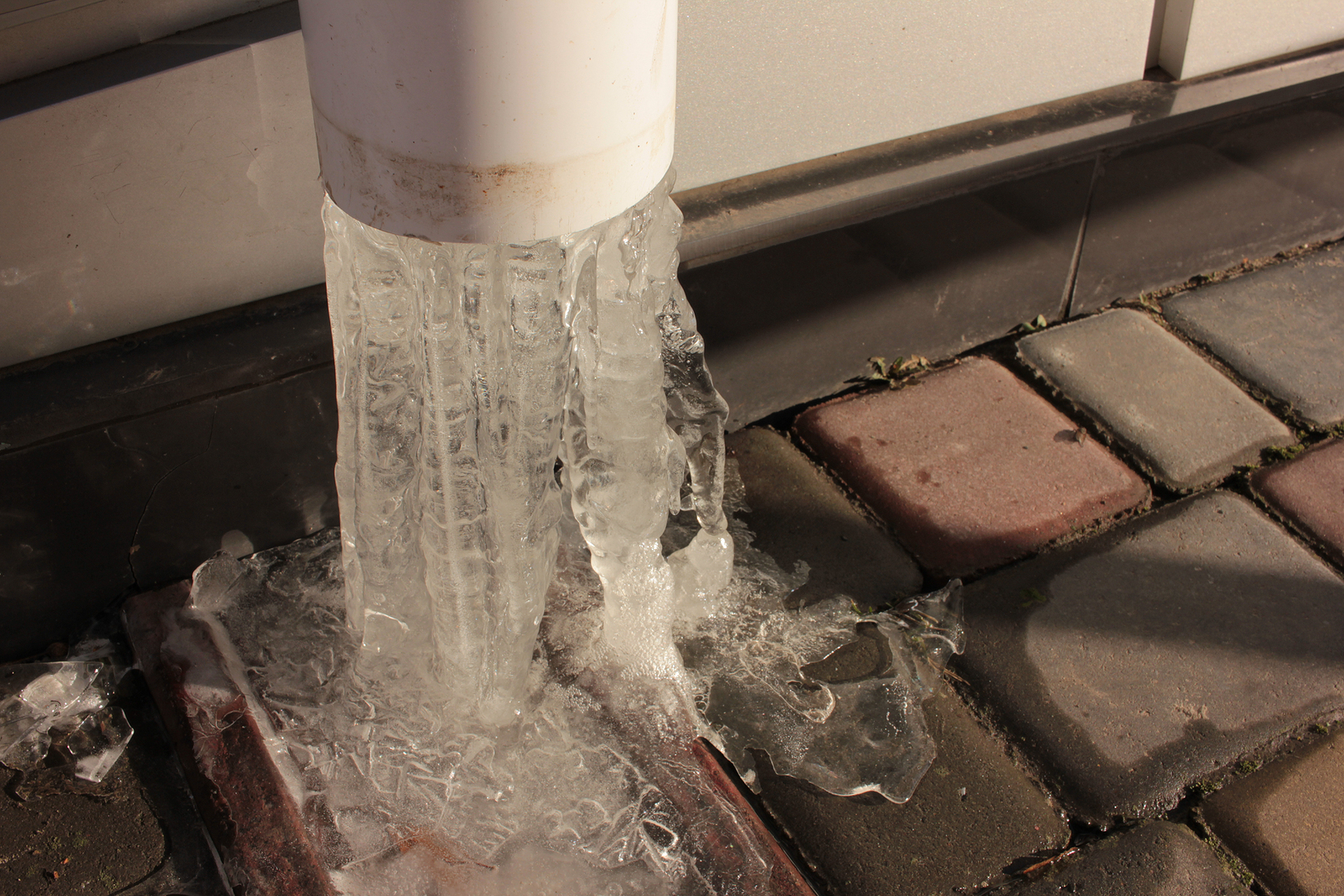
Pipes freeze when the water inside them turns to ice. This occurs when the temperature outside drops below the freezing point of water (32°F or 0°C). Factors contributing to pipes freezing include:- Insufficient insulation in unheated areas
- Leaks or cracks in pipes
- Poorly maintained pipes
- Extreme cold temperatures
How to Protect Your Pipes from Freezing
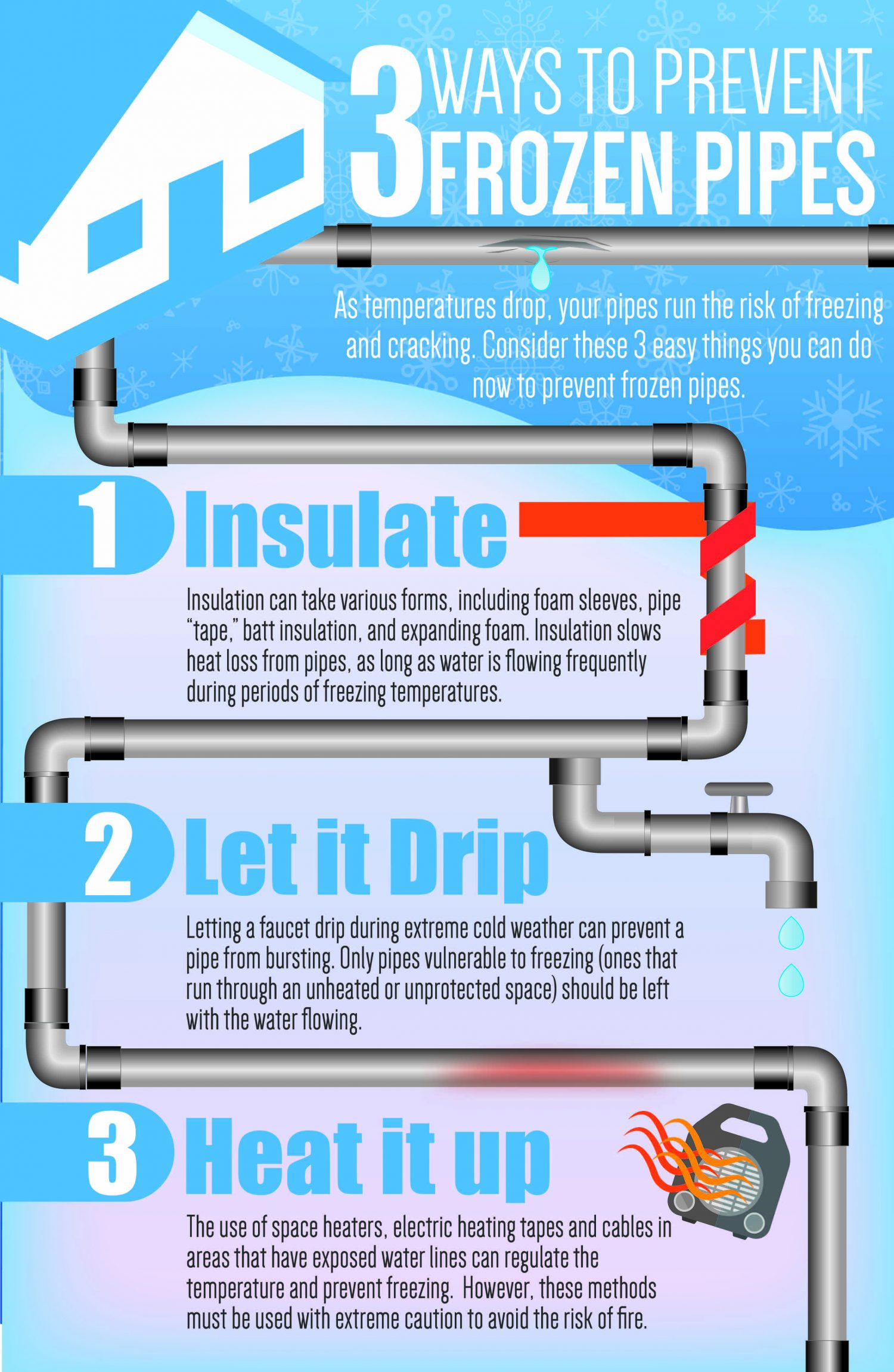
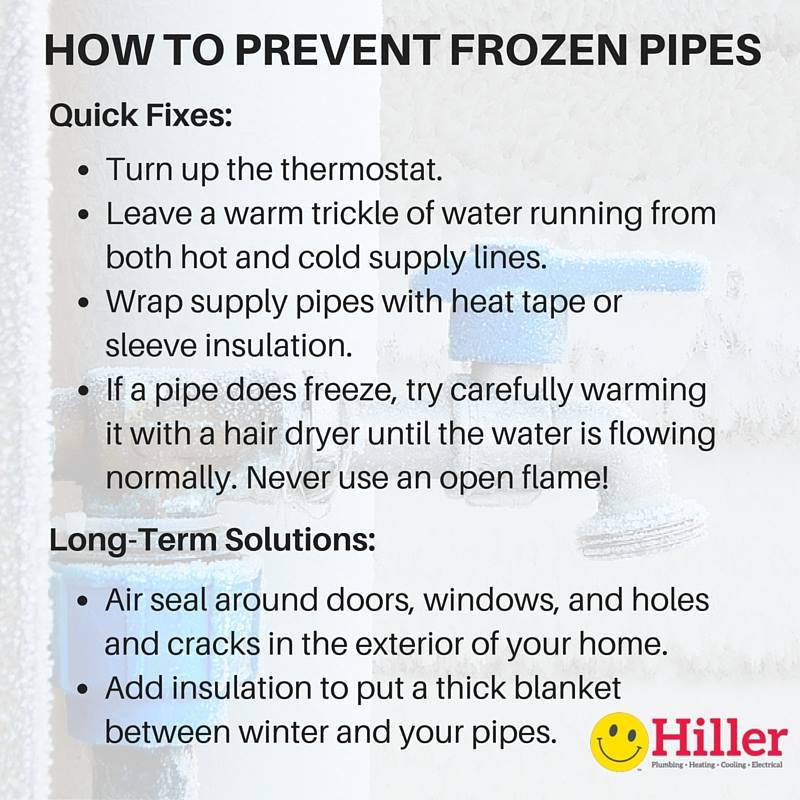
To keep your pipes from freezing, you can take the following steps:- Insulate exposed pipes in unheated areas like the attic, basement, crawl space, or garage
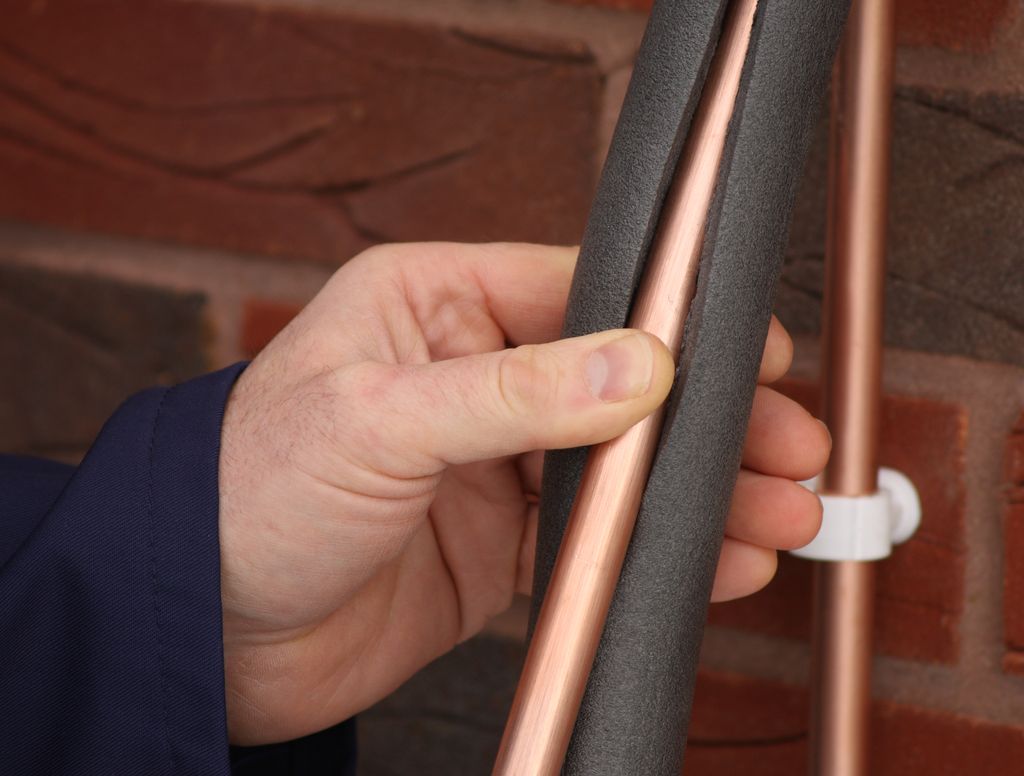
- Wrap pipes with foam pipe insulation or use heat tape or heating cables
- Seal any drafts or openings around windows, doors, and pipes
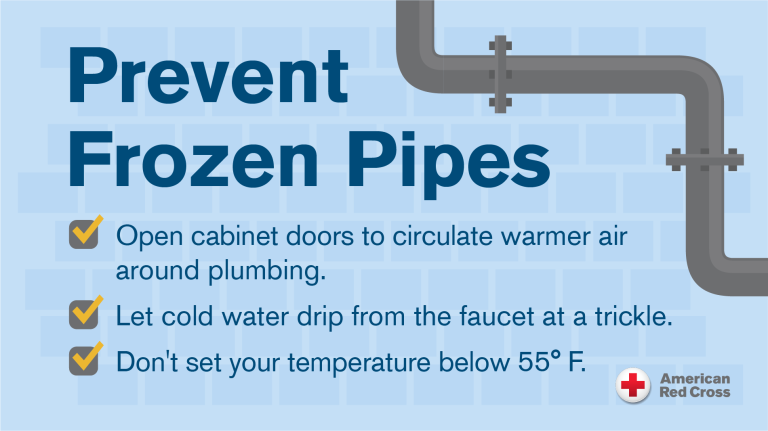
- Allow a small trickle of water to flow through your pipes regularly
- Open cabinet doors under sinks to keep warm air circulating
- Consider installing freeze-proof faucets or frost-proof spigots

Preventing Frozen Pipes in Unoccupied Homes
If you're going on vacation during the winter or selling an unoccupied home, it's essential to take extra precautions to prevent frozen pipes:- Shut off the main water supply and drain the pipes
- Insulate exposed pipes to prevent freezing
- Consider hiring a handyman or plumber to winterize your pipes
Thawing Frozen Pipes Safely
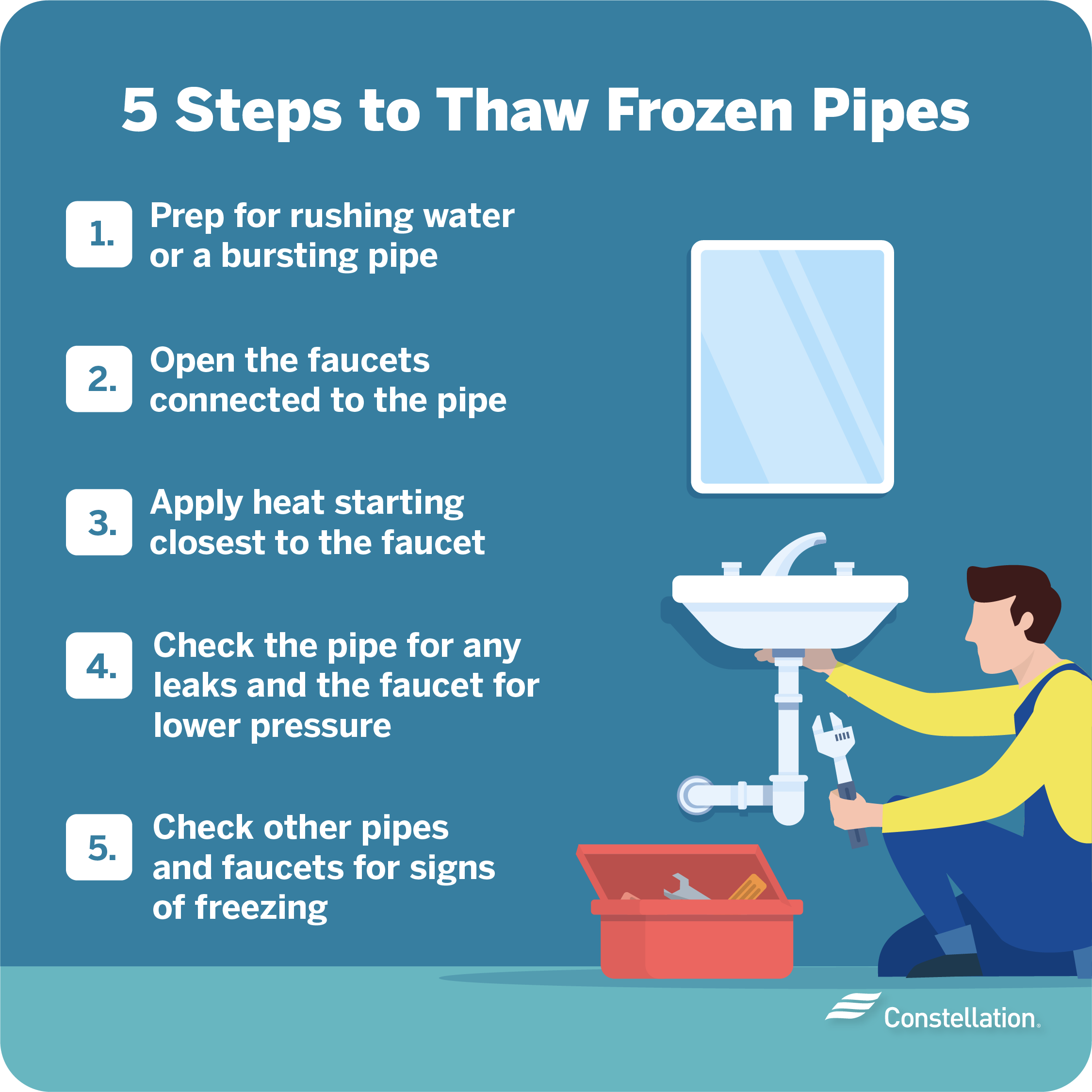
If you do experience a frozen pipe, it's crucial to thaw it safely to avoid causing further damage:- Turn off the main water supply
- Apply heat to the frozen area using a hair dryer, towel soaked in hot water, or a heating pad
- Be cautious not to apply too much heat, which can cause the pipe to burst