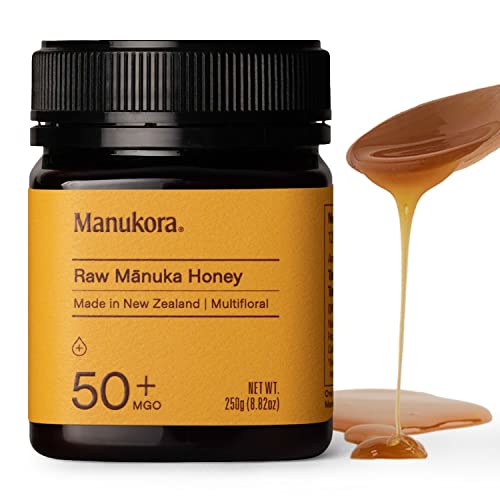
Pregnancy and Honey Consumption: Separating Myth from Reality
Pregnancy is a time of great change and adapting to new norms, and one question that often arises is about food choices, including honey consumption. Whether it's safe to eat honey during pregnancy and its potential benefits and risks are matters of great interest among expecting mothers.
Is Honey Safe During Pregnancy?
Contrary to popular belief, honey is generally considered safe to consume during pregnancy by most healthcare professionals and nutritionists. It is can provide a natural source of energy and antioxidants, making it a beneficial addition to an expectant mother's diet. However, it's crucial to note that raw, unpasteurized honey may pose a risk of botulism due to the presence of Clostridium botulinum bacteria.
History of Honey Consumption During Pregnancy
Humans have been consuming honey for centuries, and it was not uncommon for pregnant women to enjoy honey as a natural sweetener. Despite its long history of consumption, there has been some debate about the safety of honey during pregnancy. Recent studies have shed more light on the topic, suggesting that pasteurized honey is generally safe for consumption by pregnant individuals, eliminating the risk of bacterial contamination.
Benefits of Honey Consumption During Pregnancy
- Antioxidant Properties: Honey contains a range of antioxidants, which help to protect the body against free radicals. During pregnancy, high levels of antioxidants can help to reduce inflammation and boost the immune system.
- Energy Boost: Honey provides a natural source of energy, which is particularly important for pregnant women who experience fatigue. Consuming honey in moderation can help alleviate fatigue and provide a much-needed energy boost.
- Soothing Coughs: Honey is often used to soothe coughs and provide relief from respiratory issues. During pregnancy, it can be beneficial to consume honey to help alleviate the symptoms of a sore throat or cough.
- Supports Digestive Health: Honey contains enzymes that can help to support digestive health, reducing symptoms of constipation and indigestion, common during pregnancy.
- Reduces Sugar Cravings: Honey contains fructose and glucose, which can satisfy sweet cravings without contributing to excessive sugar intake.
Precautions to Consider
While honey is generally considered safe for consumption during pregnancy, there are some precautions to consider:
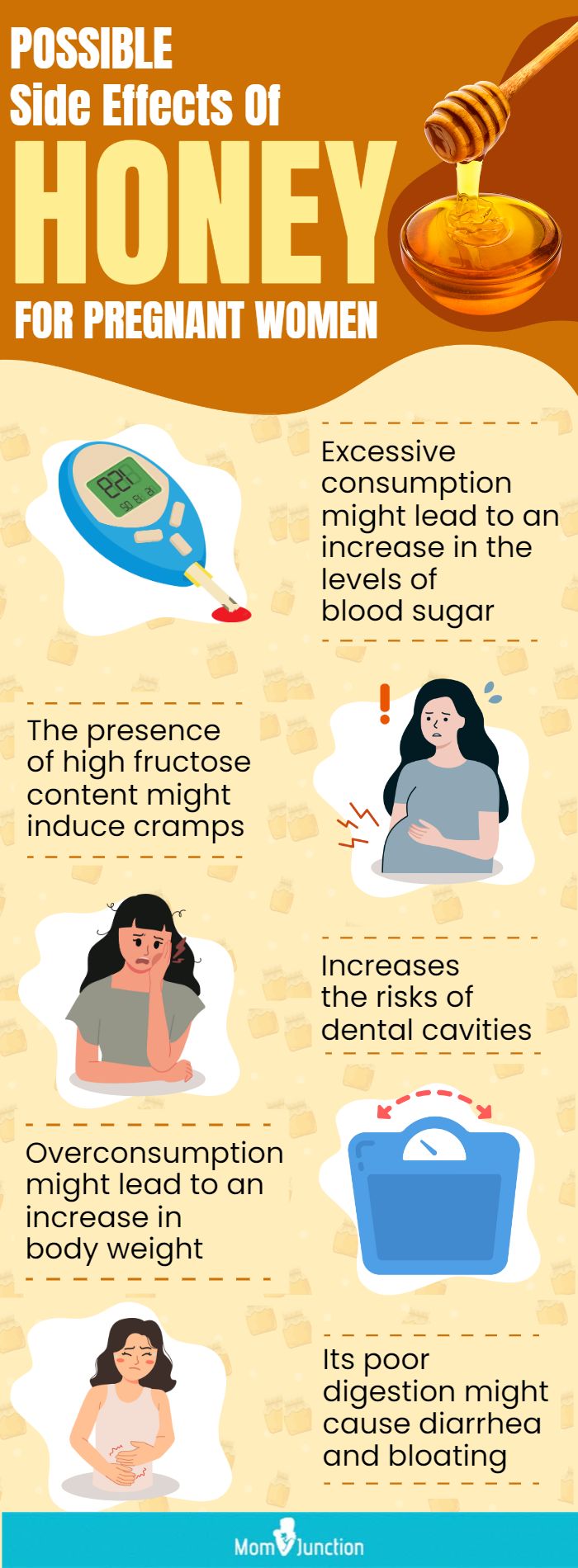
- Raw, Unpasteurized Honey: As mentioned earlier, raw, unpasteurized honey can pose a risk of botulism due to the presence of Clostridium botulinum bacteria. It is essential to choose pasteurized honey to minimize this risk.
- Allergic Reactions: Some individuals may be allergic to honey, and if you have a known allergy, it's best to avoid it during pregnancy.
- Consumption Limits: Moderate honey consumption is recommended (1-2 tablespoons per day) to minimize the risk of excessive sugar intake.
Conclusion
-consuming honey during pregnancy can provide numerous benefits for expectant mothers, including a natural source of energy, antioxidants, and soothing properties. However, it is essential to choose pasteurized honey, consume it in moderation, and be aware of potential allergic reactions. As with any food choice, it is recommended to consult with a healthcare provider for personalized advice and recommendations.
Recommendations for Safe Honey Consumption During Pregnancy
- Choose Pastuerized Honey: Opt for pasteurized honey to minimize the risk of bacterial contamination.
- Consume in Moderation: Eat honey in moderation, avoiding excessive sugar intake (1-2 tablespoons per day).
- Be Aware of Allergic Reactions: If you have a known allergy to honey, avoid consumption during pregnancy.
- Consult a Healthcare Provider: Discuss honey consumption with your healthcare provider for personalized advice and recommendations.