How to Reduce Information Overload: Strategies for a More Productive You
Have you ever felt like you're drowning in a sea of data, with too many emails, notifications, and tasks competing for your attention? You're not alone. Information overload is a growing concern in today's digital age, where the constant stream of information can lead to feelings of overwhelm, stress, and decreased productivity.
The Consequences of Information Overload
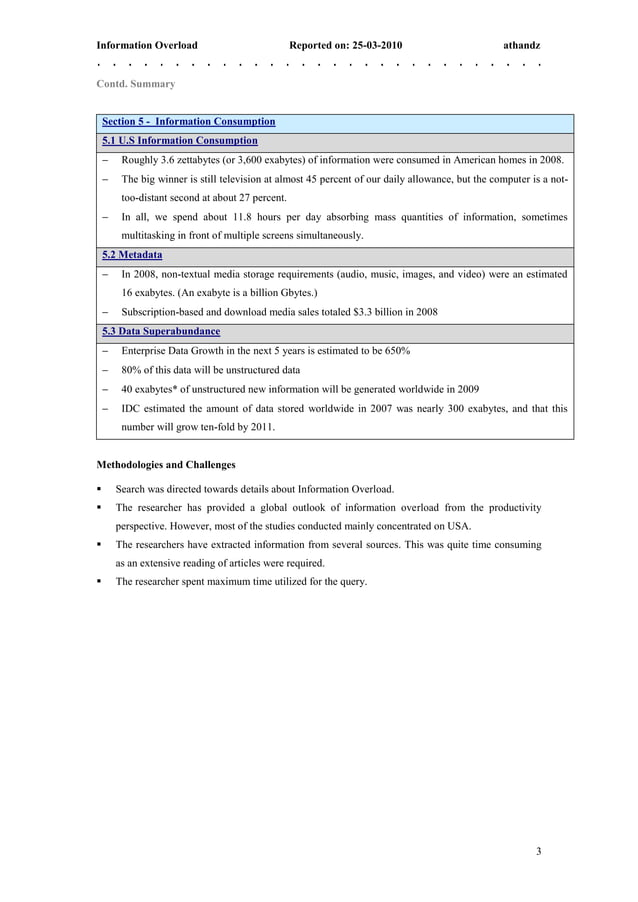
When we're exposed to more information than our brains can process, it can lead to cognitive overload, decreased focus, and reduced productivity. Information overload can also impact our well-being, causing anxiety, stress, and burnout. According to a recent study, over 60% of employees experience information overload, which can lead to decreased job satisfaction and turnover.
Causes of Information Overload
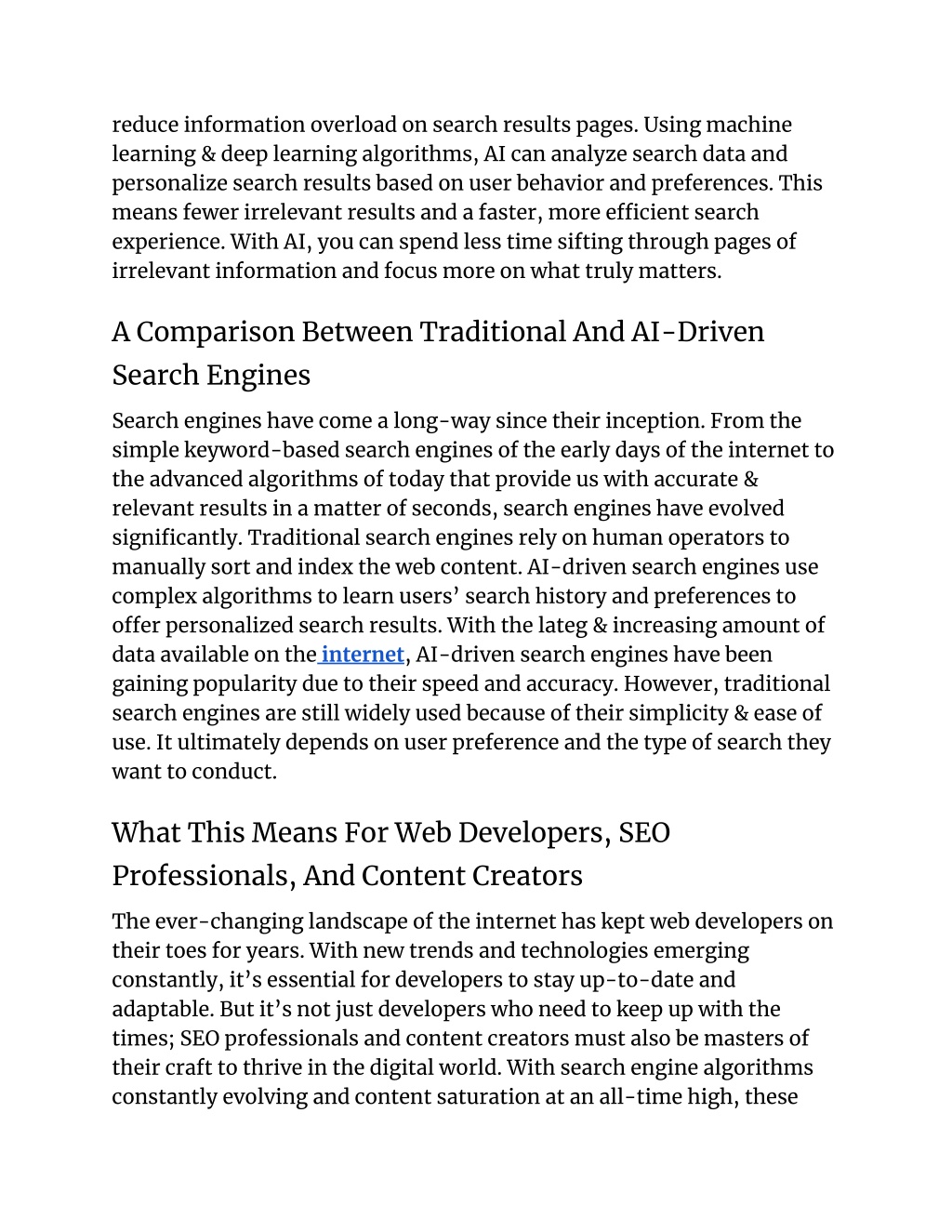
So, what's behind this influx of information? The rise of digital communication and the increasing use of information and communication technologies (ICTs) are main contributors to information overload. Social media, email, chat apps, and other digital tools have made it easier to access information, but they've also created a constant stream of distractions. Additionally, the 24/7 nature of digital communication means that we're always "on," even outside of work hours.
Strategies for Reducing Information Overload
Fortunately, there are many strategies for reducing information overload and improving productivity. Here are some effective solutions:

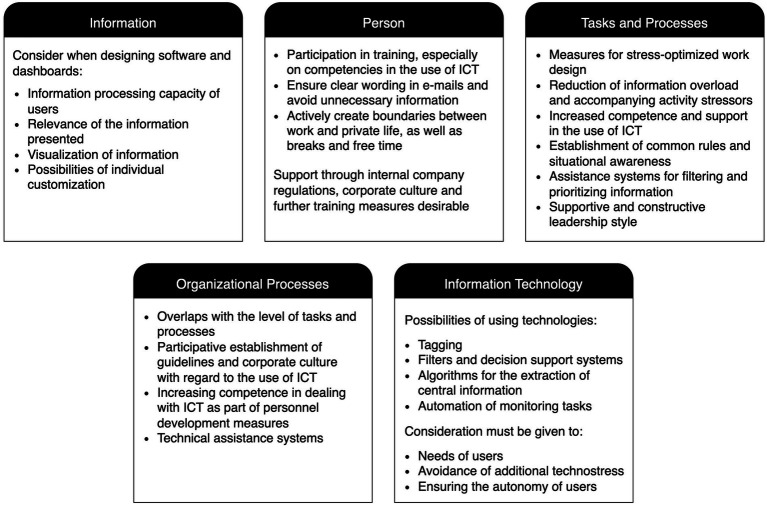
- Set Boundaries**: Establish clear boundaries around your work and personal life to minimize the impact of digital distractions.
- Use Technology to Your Advantage**: Utilize tools like project management software, email filters, and browser extensions to streamline your workflow and reduce clutter.
- Practice Prioritization**: Focus on the most critical tasks and delegate or defer less important ones to minimize feeling overwhelmed.
- Take Breaks**: Regular breaks can help you recharge and reduce the accumulation of stress and burnout.
- Avoid Multitasking**: Switch between tasks can lead to mental fatigue and decreased productivity. Focus on one task at a time.
- Seek Feedback**: Regularly ask for feedback from colleagues, friends, and family to help you stay focused and on track.
- Create a Digital Detox Plan**: Set aside time each day to disconnect from digital devices and recharge.
Additional Strategies for a More Productive You
Reducing information overload requires a combination of individual and organizational efforts. Here are some additional strategies for a more productive you:
- Emphasize Clarity**: Clearly define expectations and priorities to minimize misunderstandings and reduce the need for constant communication.
- Implement a "Stop Doing" List**: Identify tasks that are no longer essential or that can be delegated to others, and eliminate them to free up time and mental energy.
- Use Communication Channels Effectively**: Harness the power of technology to streamline communication and collaboration, such as video meetings, email, and chat apps.
- Maximize Sleep and Self-Care**: Regular sleep and self-care practices can help reduce stress and improve focus and productivity.
Conclusion
Information overload is a pervasive problem in today's digital age. By understanding the causes and consequences of information overload, we can develop effective strategies to reduce its impact. By setting boundaries, utilizing technology, prioritizing tasks, and implementing a digital detox plan, we can improve our focus, productivity, and overall well-being. Don't let information overload hold you back – take control of your work and personal life today.