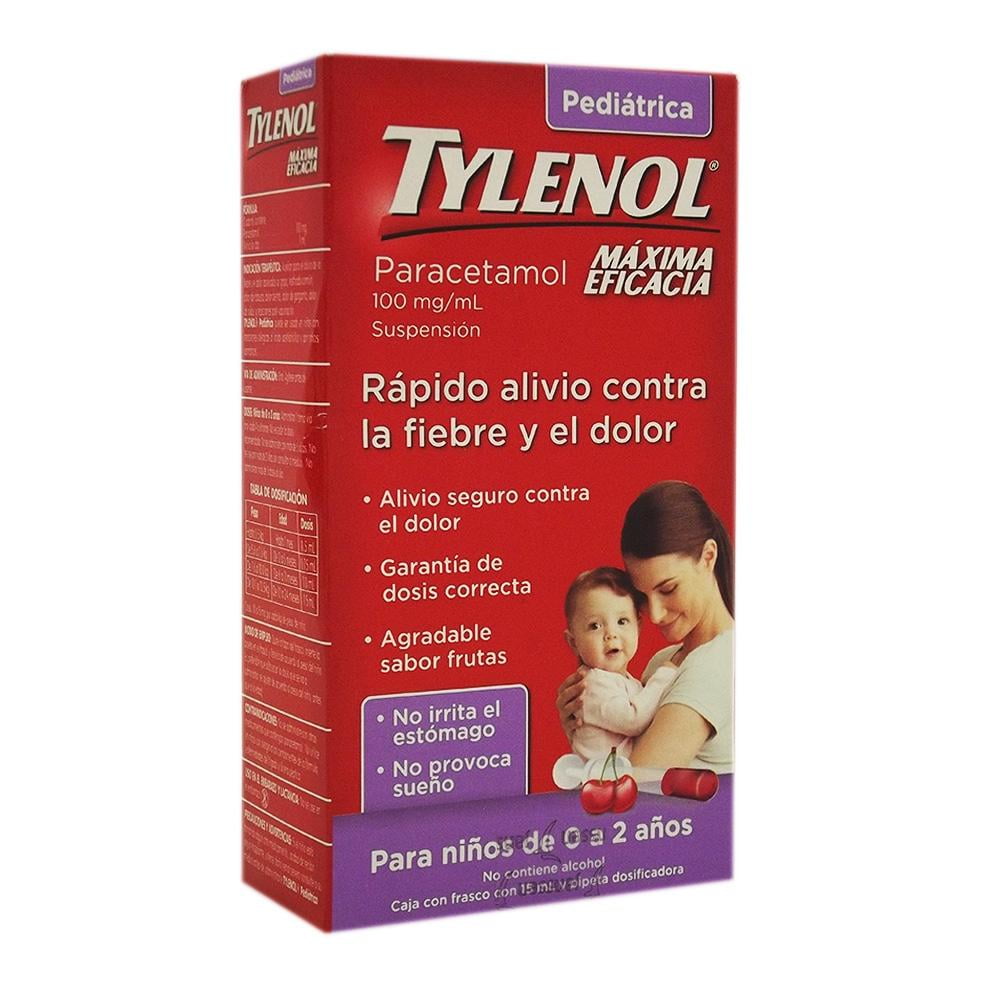
Prenatal Use of Tylenol: Separating Fact from Fiction
When it comes to managing pain and fever during pregnancy, mothers have long relied on Tylenol, a medication that contains the active ingredient acetaminophen. But with the growing concerns about the potential impact of prenatal acetaminophen use on children's neurodevelopment, the debate around its safety has become increasingly heated.
The Facts About Prenatal Acetaminophen Use
- Acetaminophen is considered generally safe to use during pregnancy when taken appropriately and in consultation with a healthcare provider.
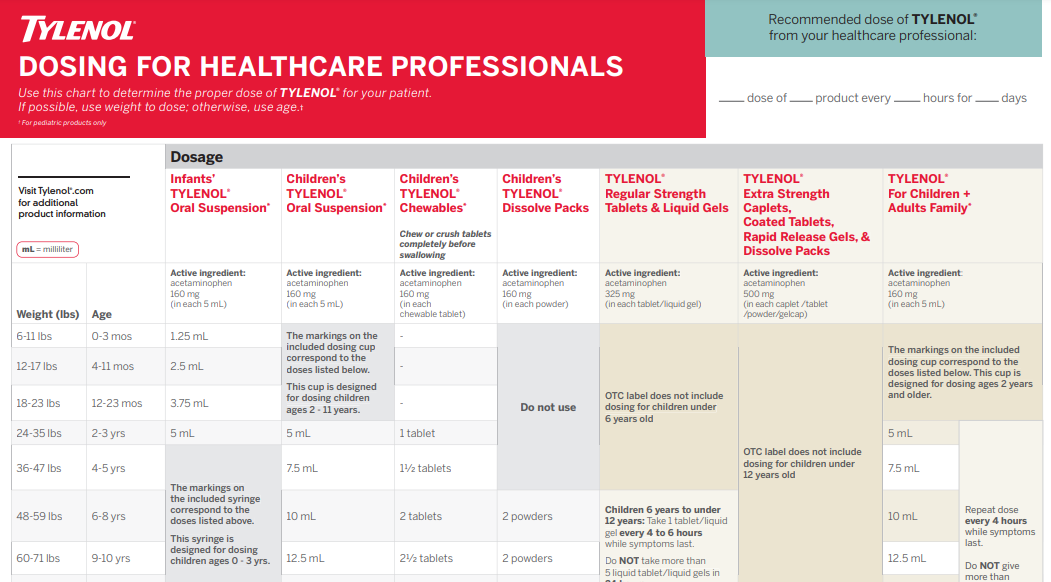
- The recommended dose of acetaminophen while pregnant is up to 3,000 mg per day, spread out in smaller doses.
- However, it's essential to avoid taking Tylenol daily or in high doses unless advised by a healthcare provider.
The Controversy Surrounding Prenatal Acetaminophen Use
Recent studies have raised concerns about the potential link between prenatal acetaminophen use and an increased risk of attention deficit hyperactivity disorder (ADHD), autism spectrum disorder (ASD), and other neurodevelopmental disorders in children.
- A 2025 review of existing research found "consistent associations" between prenatal acetaminophen exposure and neurodevelopmental disorders, including ADHD and autism.
- However, a more recent systematic review and meta-analysis found no link between prenatal acetaminophen use and an increased risk of autism, ADHD, or intellectual disability in children.
The Importance of Context
It's crucial to consider the context of prenatal acetaminophen use and the potential risks and benefits. While acetaminophen is generally considered safe when used appropriately, its widespread use during pregnancy may introduce environmental concerns due to incomplete metabolic removal.
- Before starting or continuing any medication during pregnancy, it's essential to consult with a healthcare provider.
- Avoid taking Tylenol daily or in high doses, as this may increase the risk of liver problems and other adverse effects.
Alternatives to Acetaminophen

For those concerned about the potential risks associated with prenatal acetaminophen use, there are alternative pain relief options available.
- Nonsteroidal anti-inflammatory drugs (NSAIDs) like aspirin are typically not recommended during pregnancy due to potential risks, including stomach ulcers and premature closure of the ductus arteriosus.
- Non-pharmacological interventions, such as prenatal massage, can also be effective in managing pain and discomfort during pregnancy.
Conclusion
The debate surrounding the safety of prenatal acetaminophen use is complex and multifaceted. While the current evidence suggests that acetaminophen is generally safe to use during pregnancy, it's essential to approach its use with caution and to consult with a healthcare provider before starting or continuing any medication during pregnancy.
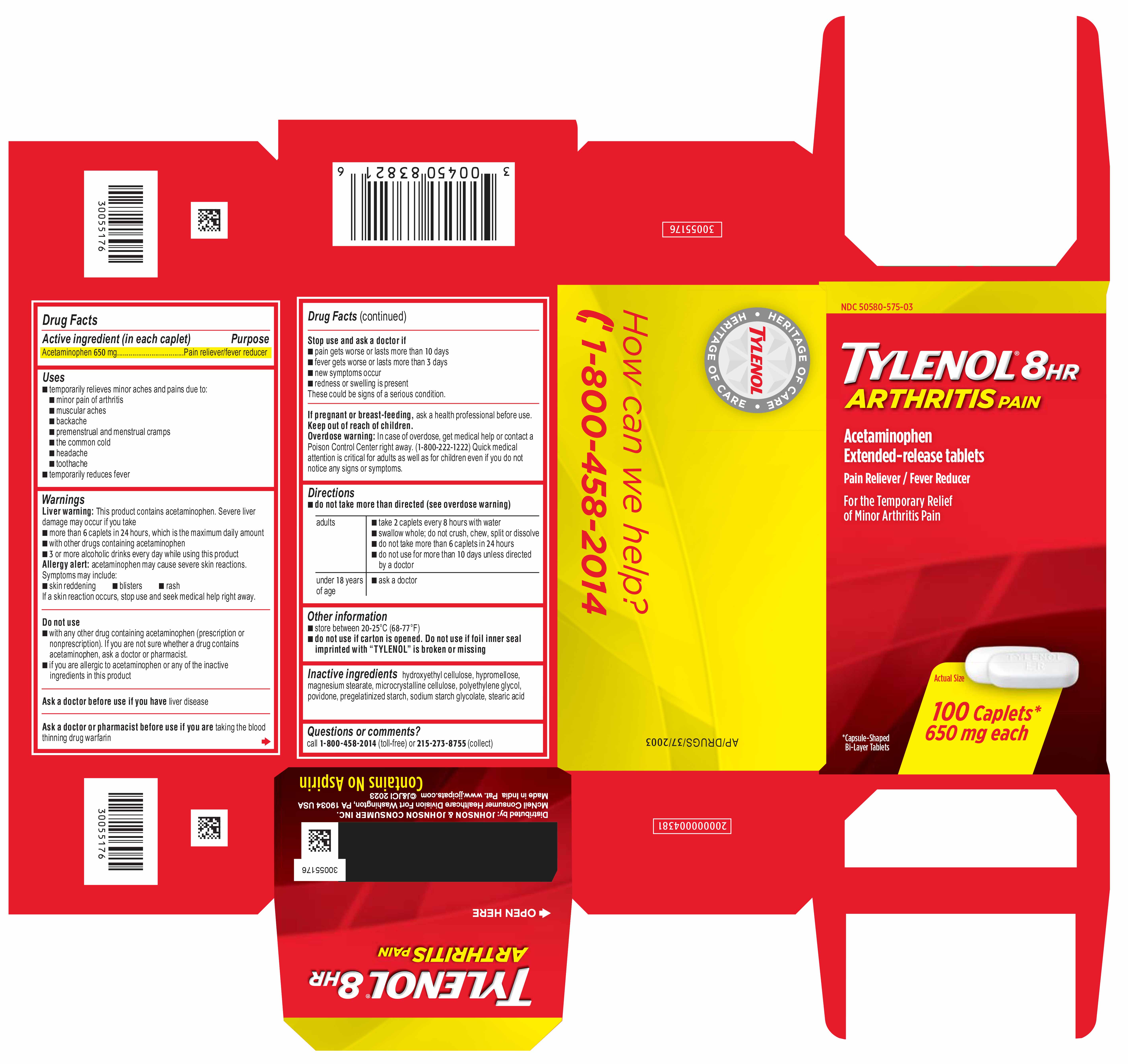
Relieve headaches, muscle pain, and fever withTYLENOL® Extra Strength Caplets for adults, containing 500 mg of acetaminophen for powerful and effective pain relief. However, always follow the recommended dose and consult with a healthcare provider if you have any concerns.
Recommendations
ACOG (American College of Obstetricians and Gynecologists) reaffirms that acetaminophen remains the analgesic and antipyretic of choice during pregnancy.
- Judicious use at the lowest effective dose for the shortest necessary duration, in consultation with an obstetrician-gynecologist or other obstetric care professional, remains consistent with best practice.
It's essential to stay informed and consult with a healthcare provider to make informed decisions about pain and fever management during pregnancy.