The Eye Health Risks of Screen Time: What You Need to Know
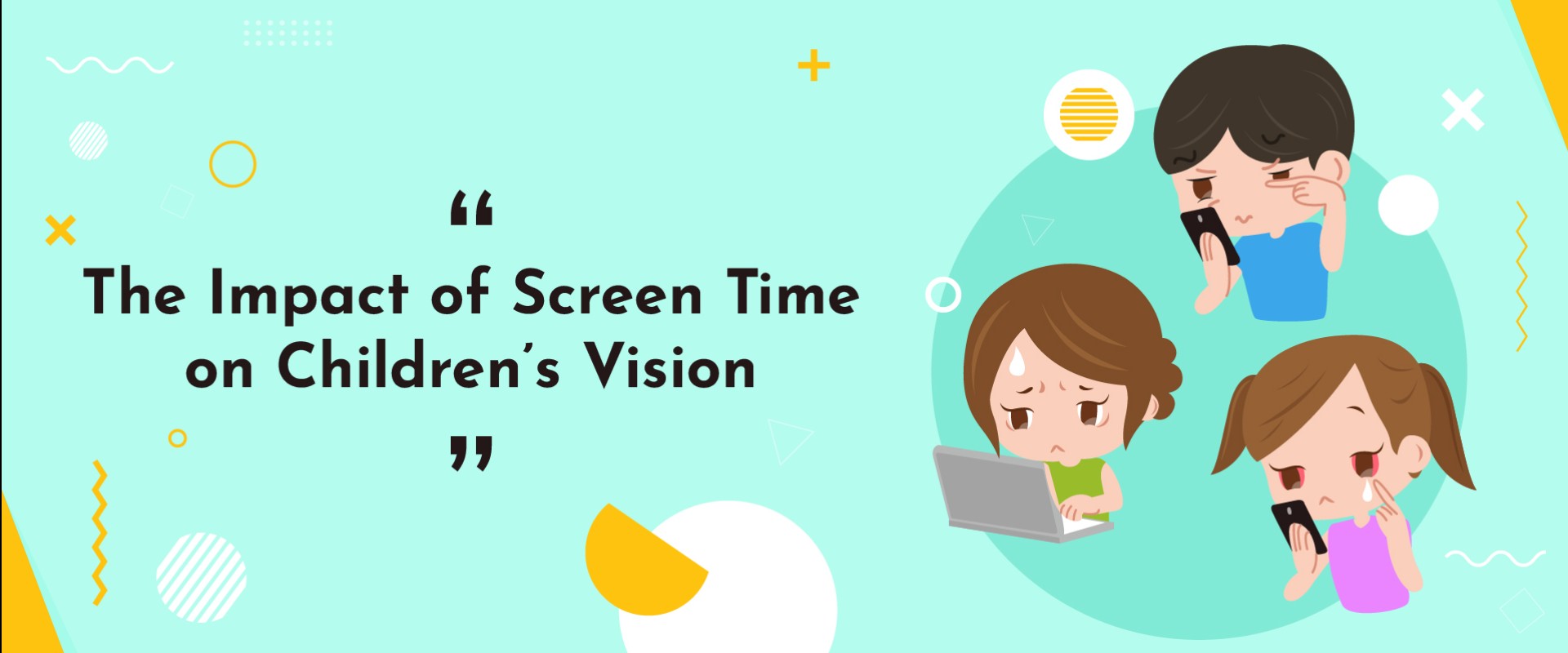
Excessive screen time has become a ubiquitous aspect of modern life, with most of us spending several hours a day staring at screens. While technology has numerous benefits, it also poses significant eye health risks. In this article, we'll delve into the measurable impacts of screen use on vision and related health factors, and explore strategies for mitigating these risks.
Demographics and Prevalence
According to recent studies, many gamers are aware of the eye health implications of long-term screen usage, but less than half (46%) visit an eye care professional for a comprehensive eye exam every year. This highlights the need for awareness and preventive measures to protect one's eye health in the digital era.
Temporary and Permanent Consequences of Screen Time
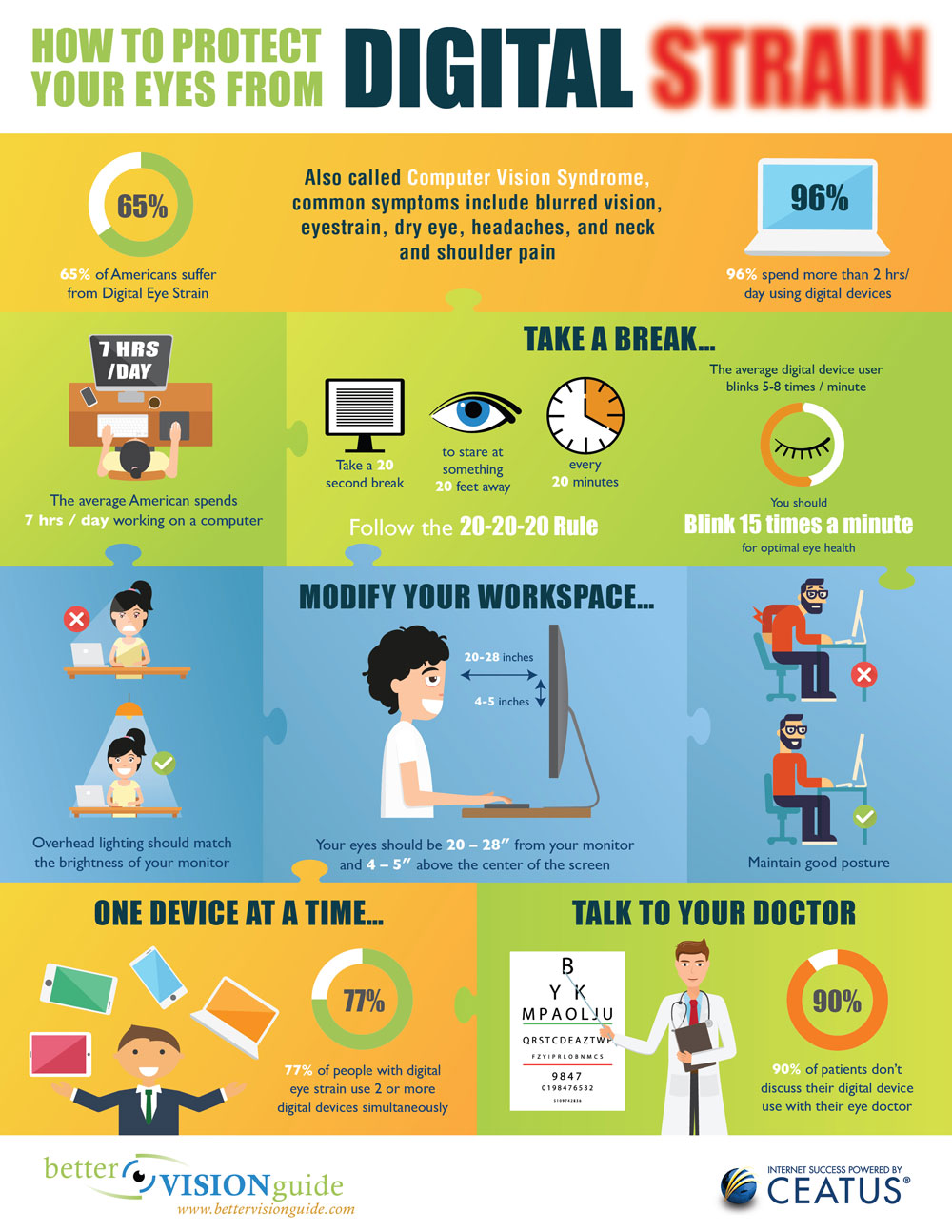
Too much screen time can cause temporary, though uncomfortable, vision symptoms, especially as we age. These may include dry and irritated eyes, blurred vision, light sensitivity, and difficulty keeping one's eyes open. In severe cases, prolonged screen time can lead to computervision syndrome (CVS), a group of eye and vision-related problems that result from prolonged use of digital devices.
Computer Vision Syndrome, or CVS, is a condition that can cause eye strain, headaches, and difficulty concentrating. Regular eye exams and practicing the "20-20-20" rule (looking away from the screen every 20 minutes to focus on something 20 feet away for 20 seconds) can help alleviate these symptoms and prevent long-term issues like myopia in children.
Avoiding Digital Eye Strain and Minimizing Risks

Excessive screen time not only causes eye strain but also negatively impacts mental and physical health. To minimize risks, it's essential to adopt healthy screen habits, such as taking regular breaks, adjusting screen brightness and contrast, and positioning devices at a comfortable distance. Additionally, adopting a healthy sleep schedule and exercising regularly can help reduce eye fatigue.
The Importance of Eye Exams
Regular eye exams are crucial in detecting any eye health issues caused by screen time. Adults should have a complete eye exam around age 40, when early signs of eye disease often begin. If you have risk factors (family history, high eye pressure, certain health conditions, etc.), your ophthalmologist may recommend more frequent exams.
Key Takeaways
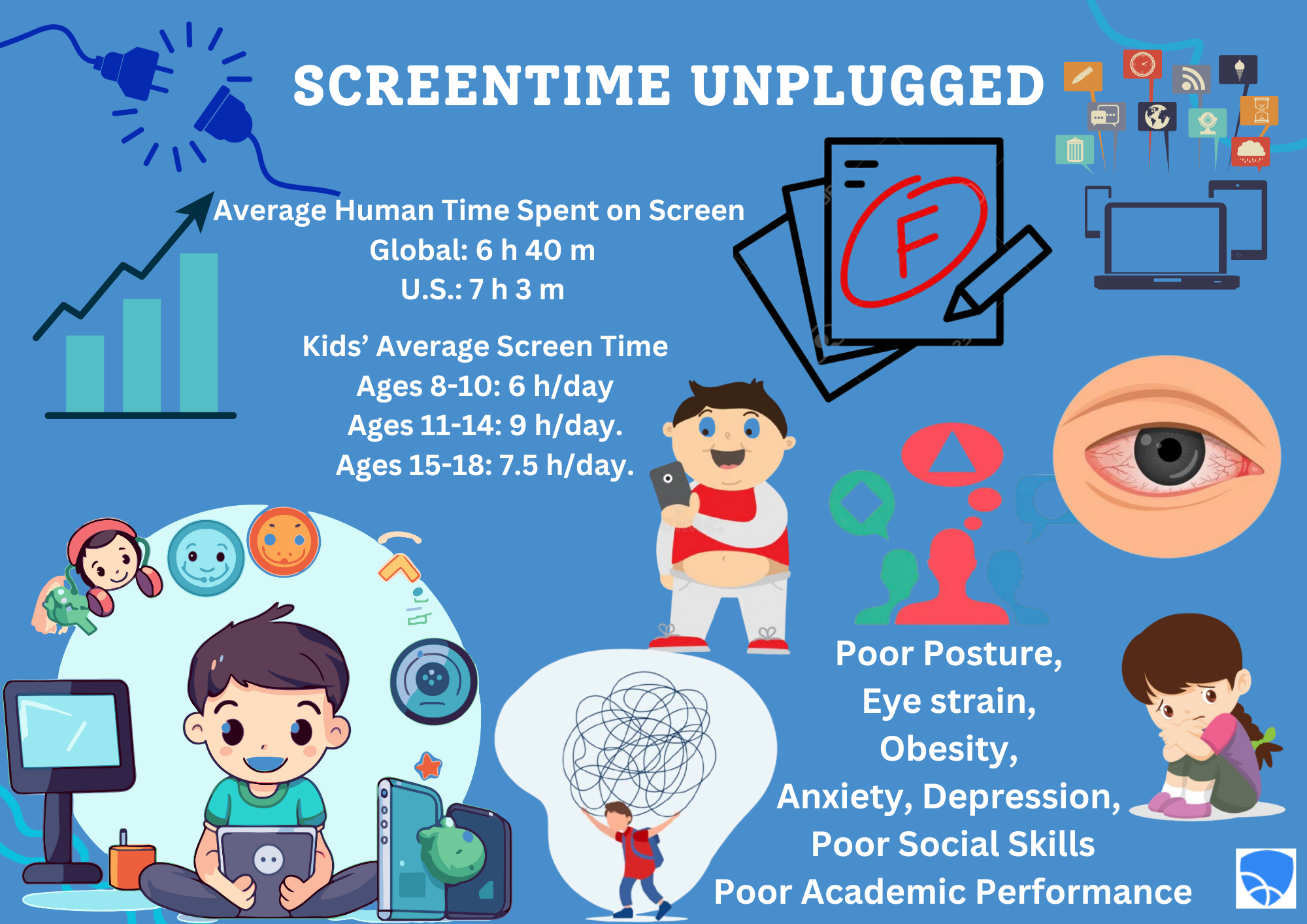
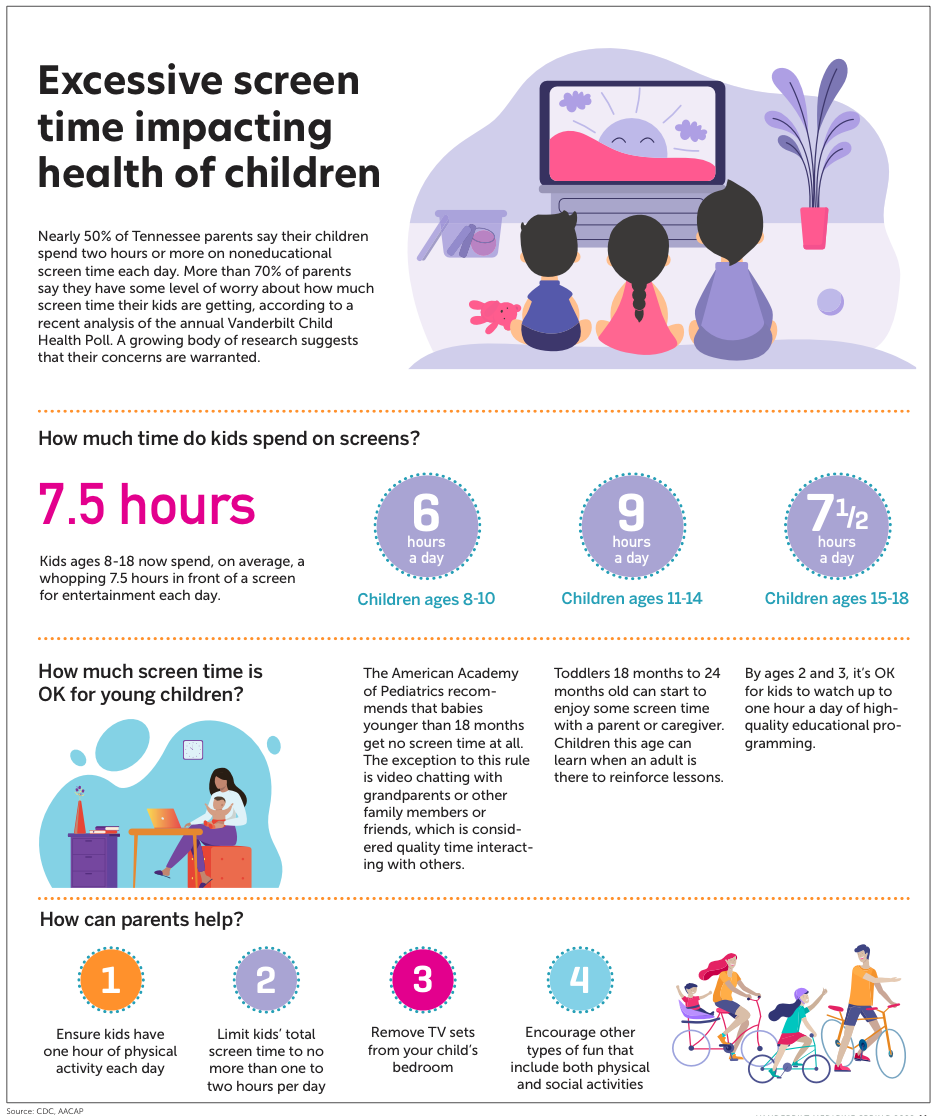
- Excessive screen time can cause eye strain, discomfort, and increased risk of long-term eye issues like myopia in children.
- Computer Vision Syndrome (CVS) is a common condition resulting from prolonged use of digital devices.
- Regular eye exams and healthy screen habits can help alleviate eye strain and prevent long-term eye issues.
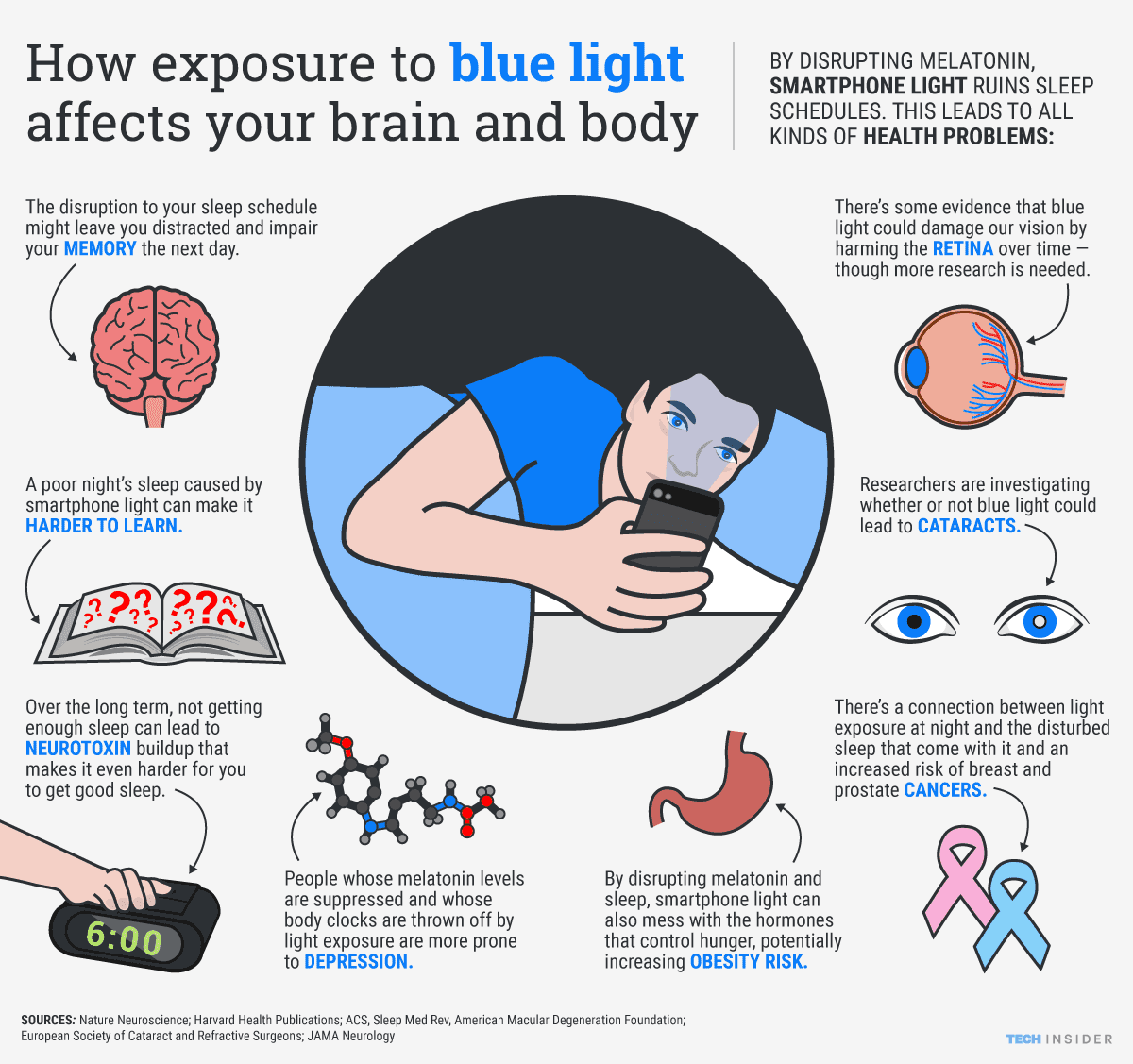
- Avoiding blue light exposure and practicing the "20-20-20" rule can minimize eye fatigue and related health risks.
- Eye health risks associated with screen time are a serious concern, and adopting preventive measures can protect eye health in the digital era.
In conclusion, while screen time is an integral part of modern life, being aware of the potential eye health risks associated with it is crucial. By adopting healthy screen habits, taking regular breaks, and visiting an eye care professional for regular eye exams, we can minimize the risks and preserve our eye health in the digital age.