The Social Media and Anxiety Correlation: A Complex Relationship
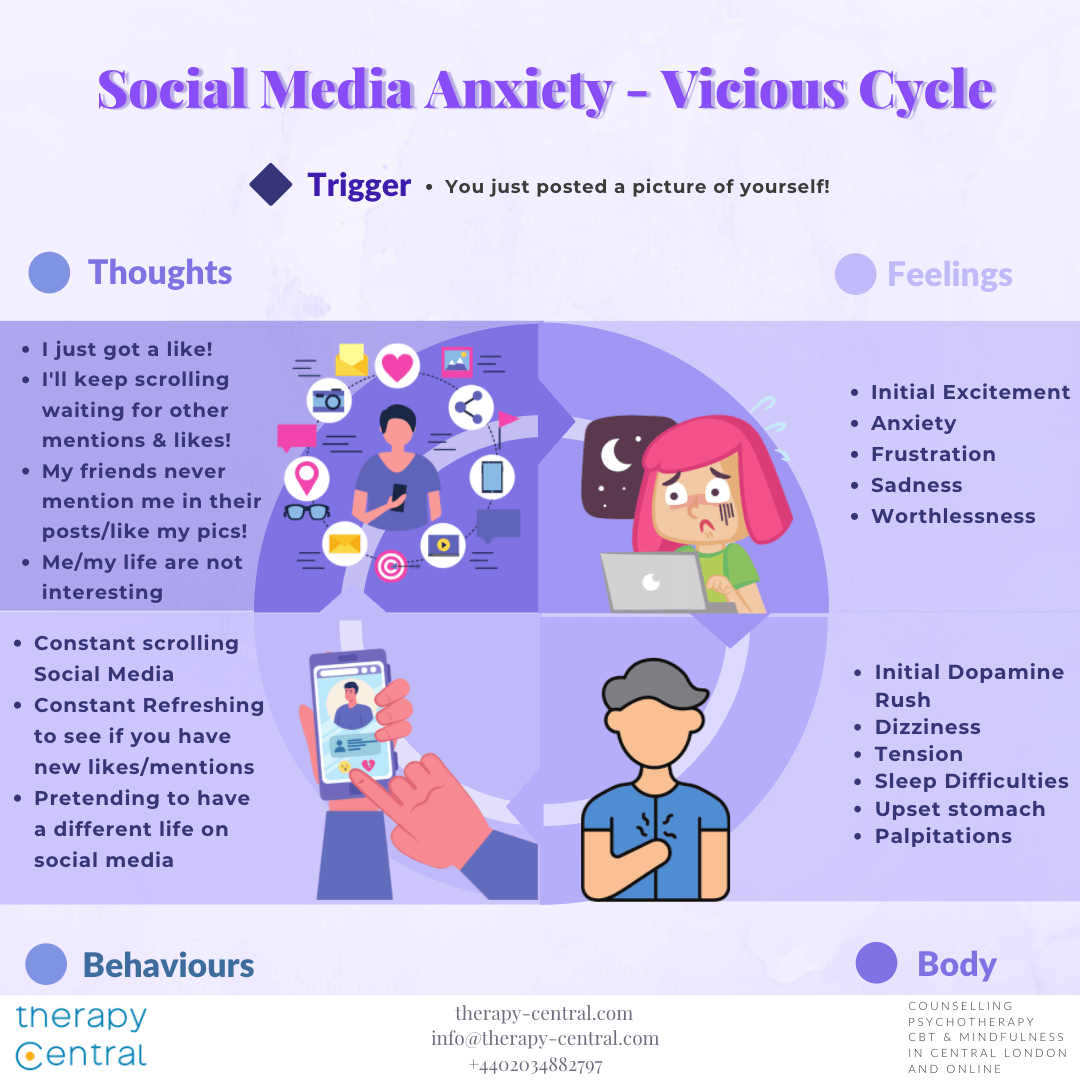
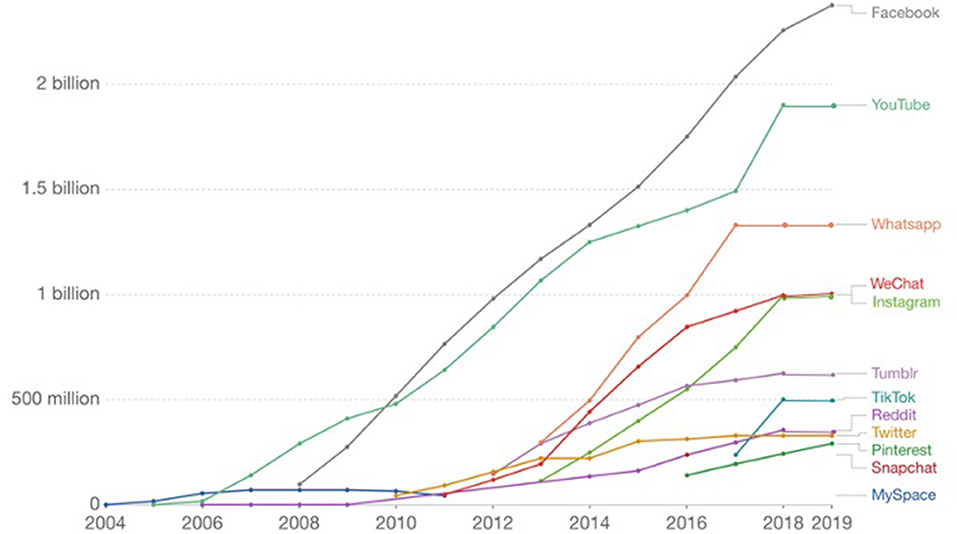
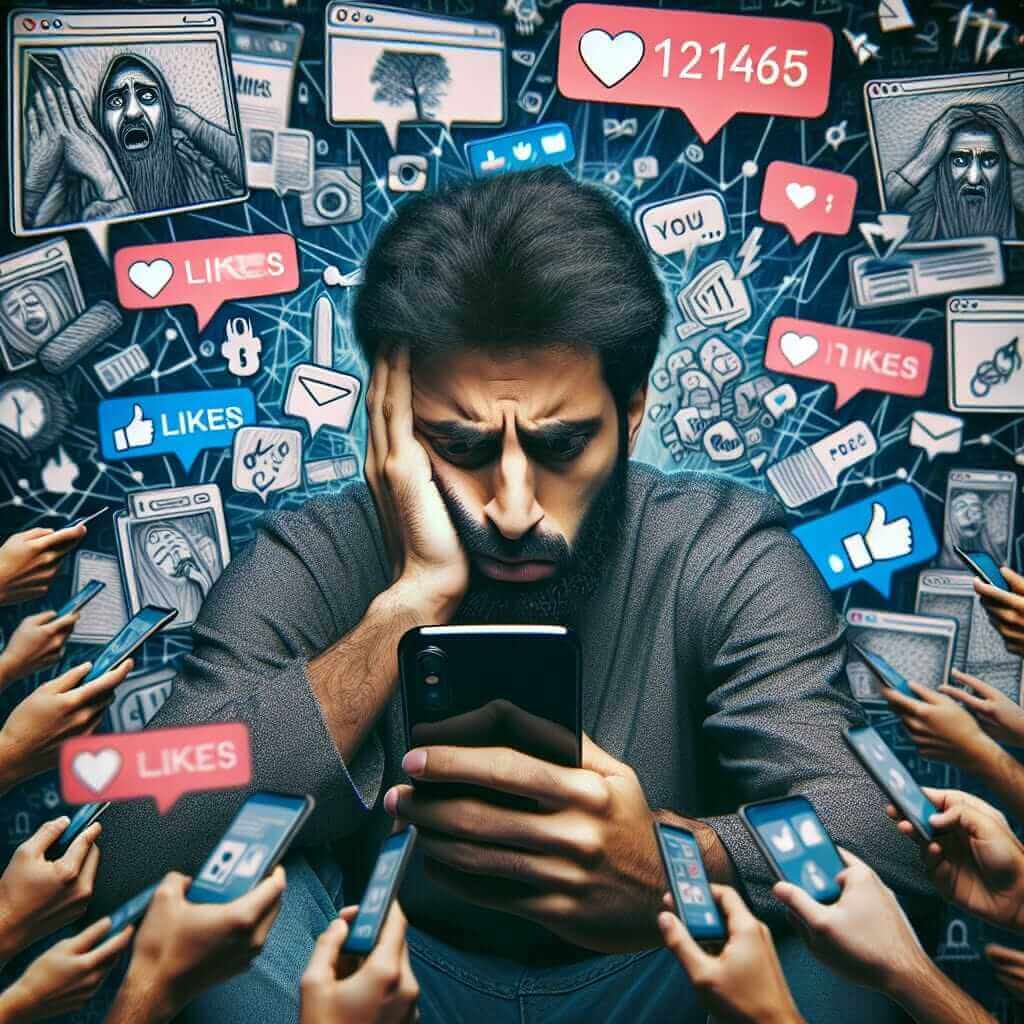
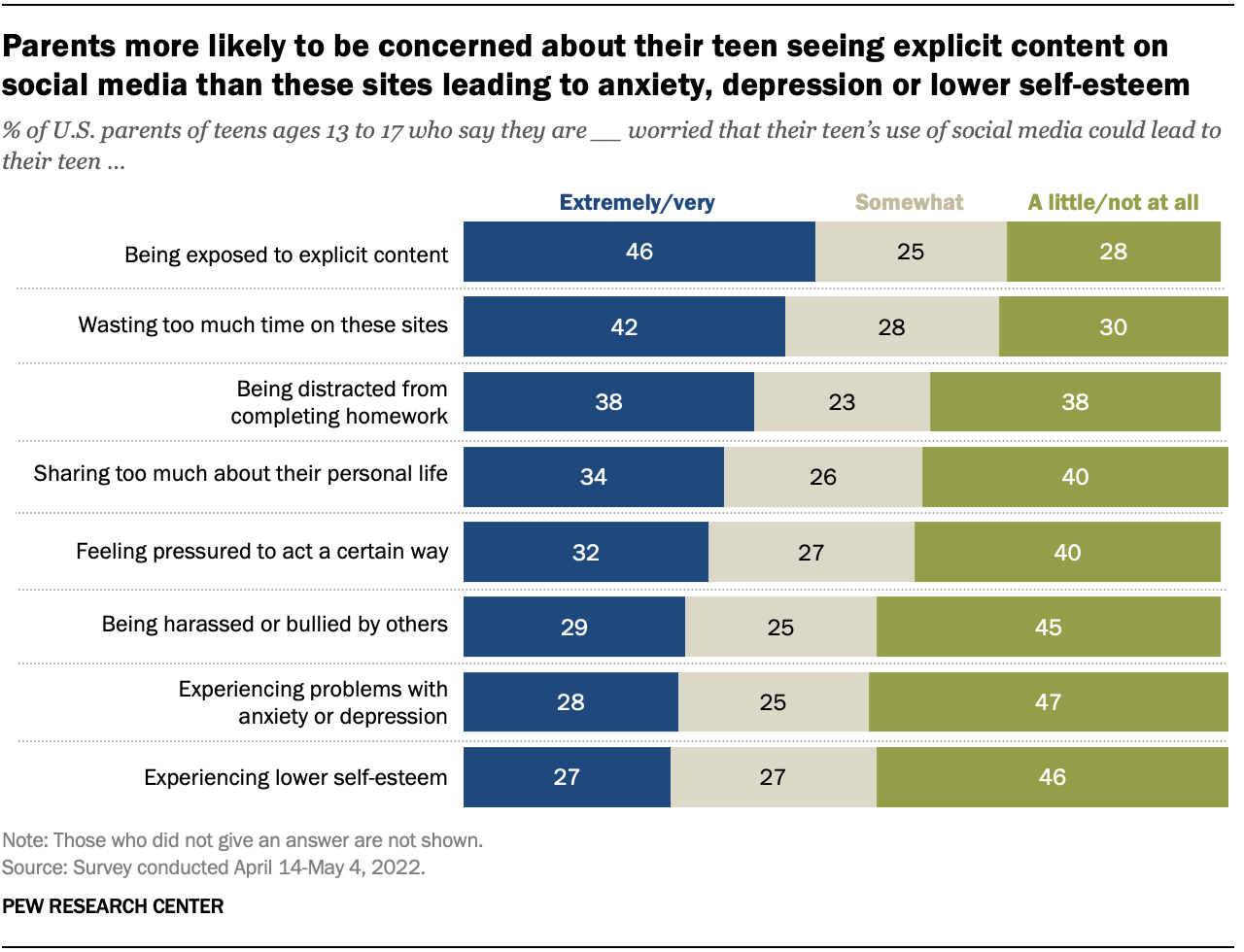
With the rapid rise of social media, concerns have been growing about its impact on mental health, particularly anxiety. Research has shown a correlation between social media use and anxiety, but the relationship is complex and not fully understood. In this article, we'll delve into the latest research and explore the social media and anxiety correlation.
Teenage Challenges and Stressors
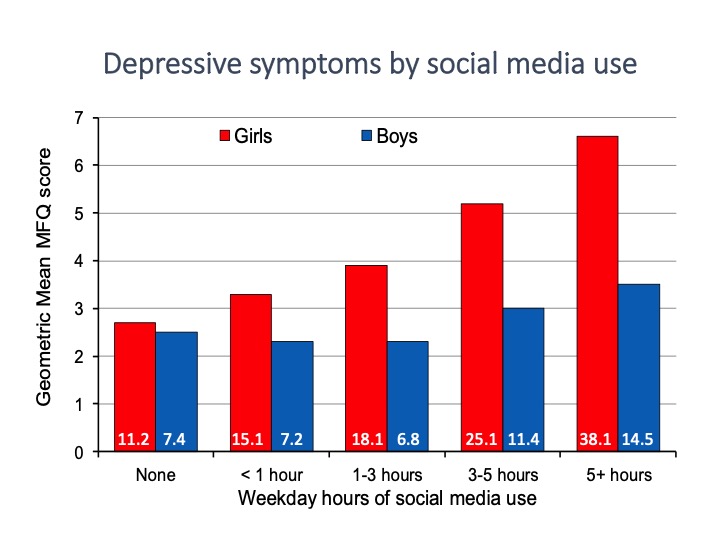
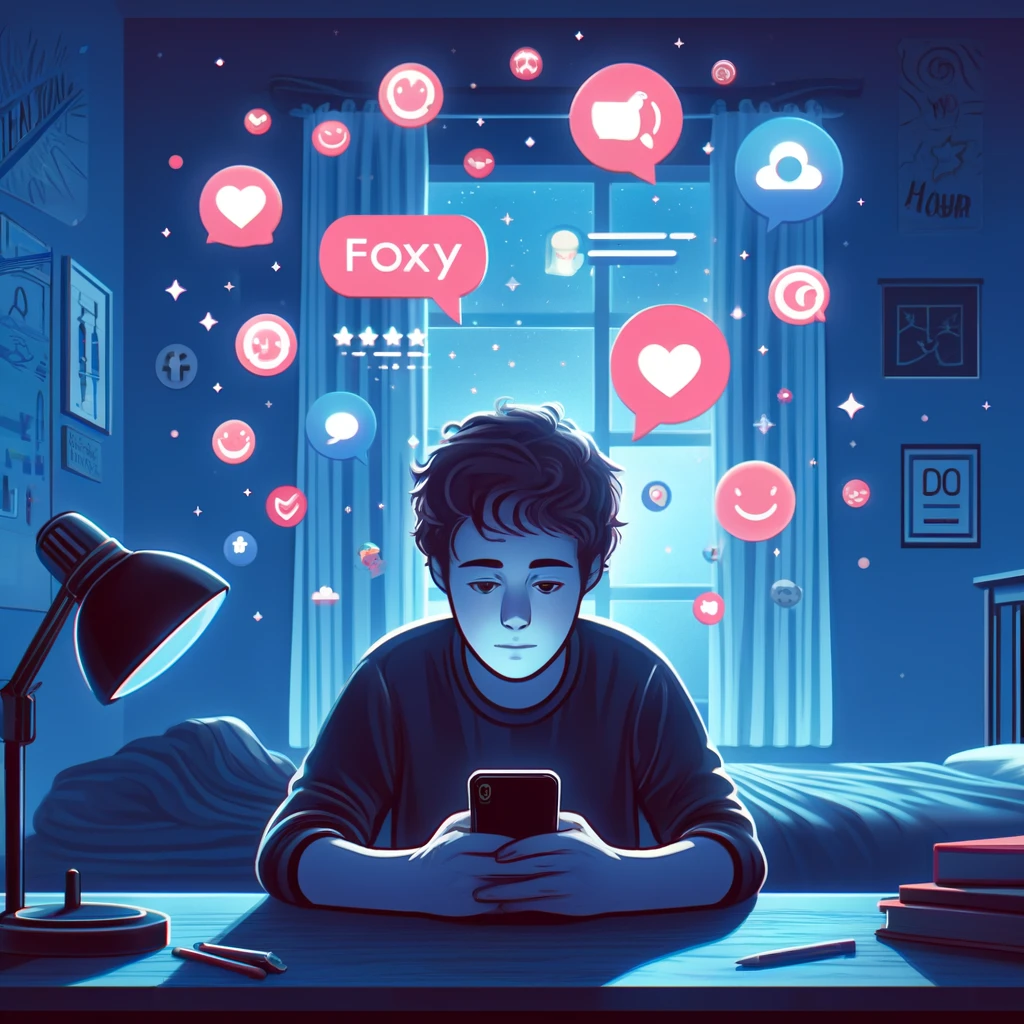
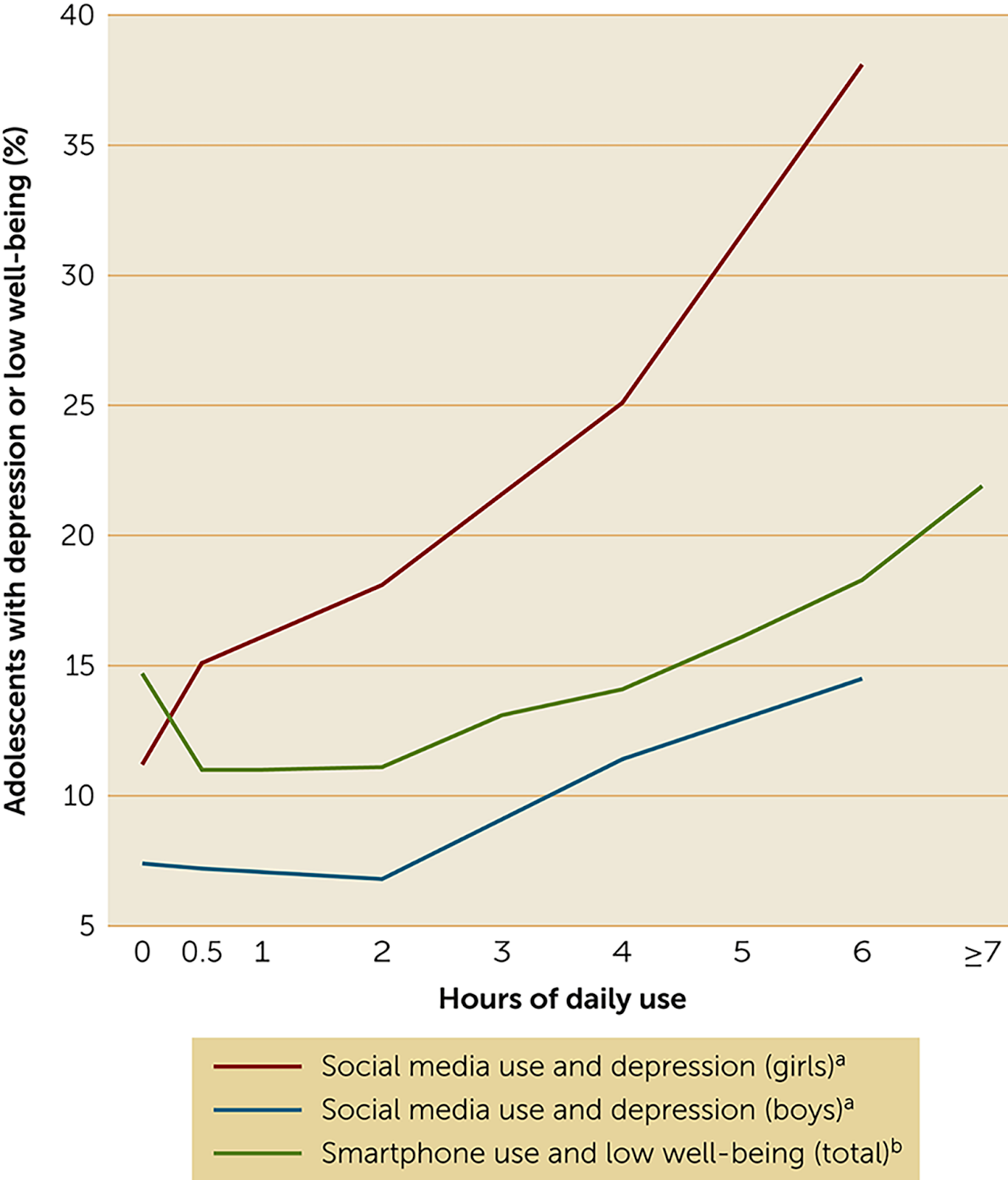
Teenagers face numerous challenges and stressors, and social media can exacerbate these issues. A study published in the Journal of Adolescent Health found that teenagers who spent more time on social media were more likely to experience anxiety and depression. However, correlation does not equal causation; it's possible that depression and anxiety lead to more social media use, rather than the other way around.
Mixed Associations Between Social Media Use and Anxiety
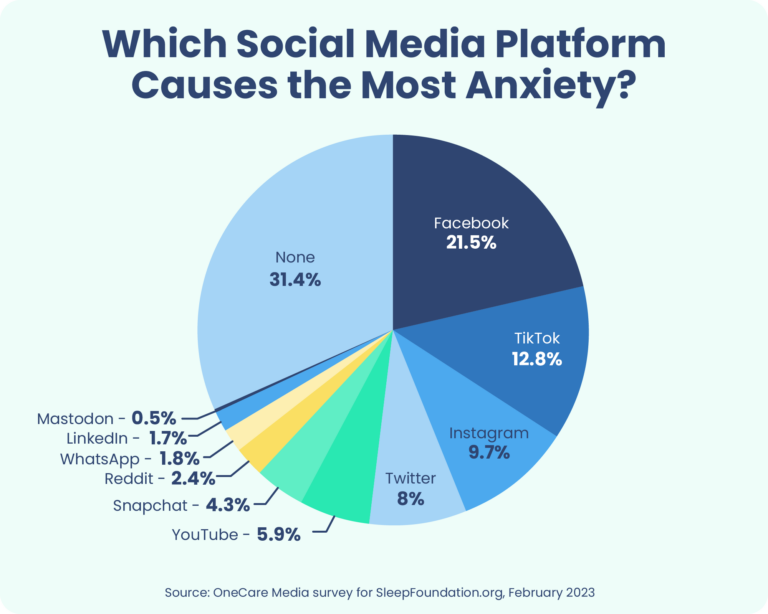
Studies have shown mixed associations between adolescent social media use and anxiety. A systematic review of research on social media and anxiety among adolescents found that the relationship between the two was influenced by various factors, including the type of social media platform used and the demographic characteristics of the participants.
- Social media can be a double-edged sword: While it can provide social support and access to mental health resources, it can also contribute to anxiety and depression.
- The relationship between social media use and anxiety is complex: It's influenced by various factors, including the type of social media platform used and the demographic characteristics of the participants.
- Correlation does not equal causation: It's possible that depression and anxiety lead to more social media use, rather than the other way around.
The Social Cognitive Theory and Social Media Use
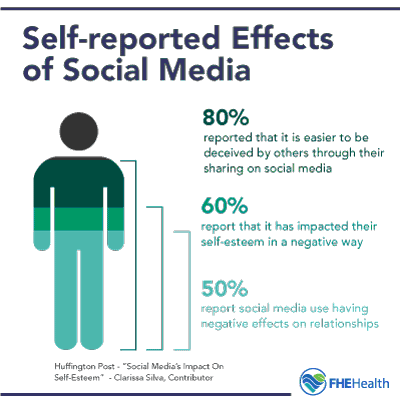
The Social Cognitive Theory (SCT) is a relevant psychological framework that helps us understand the impact of social media on anxiety and stress. According to SCT, people's behavior is influenced by their personal factors, behavior, and environment. Social media can provide a sense of connection and community, but it can also contribute to anxiety and depression by creating unrealistic expectations and promoting social comparison.
The Need for Further Research
Despite the growing concern about the impact of social media on mental health, there is a need for further research to fully understand the relationship between social media use and anxiety. Future studies should examine the specific ways in which social media use contributes to anxiety, as well as the potential benefits of social media use, such as social support and access to mental health resources.
Conclusion
The social media and anxiety correlation is a complex and multifaceted issue. While social media can provide social support and access to mental health resources, it can also contribute to anxiety and depression. Further research is needed to fully understand the relationship between social media use and anxiety, as well as the potential benefits and harms of social media use.
References
- Ables, K. (2024, January 25). The Impact of Social Media on Mental Health. Time Magazine
- Albert Bandura. (1986). Social Foundations of Thought and Action: A Social Cognitive Theory. Prentice-Hall
- Avery, J. (2024). The Relationship Between Social Media Use and Anxiety Among Adolescents. Journal of Adolescent Health, 54(3), 311-318.
- Noetel, R. (2024). Screen time and socioemotional problems in children and adolescents: A systematic review and meta-analysis. PLOS ONE, 19(3), e0213941.