Unpacking the Complex Relationship Between Technology Use and Mental Health
The advent of technology has revolutionized the way we live, work, and interact with each other. While technology has brought numerous benefits, including increased access to information and improved communication, its impact on mental health is a complex and multifaceted issue. In this article, we will delve into the relationship between technology use and mental health, exploring both the positive and negative effects of technology on our mental well-being.
The Dual-Edged Sword of Technology
On one hand, technology has made it easier than ever to connect with others, access mental health resources, and seek support. Social media platforms, for example, have created virtual communities where people can share their experiences, find solace, and connect with others who may be going through similar struggles. Additionally, digital mental health technologies, such as cognitive behavioral therapy (CBT) apps and online support groups, have increased accessibility to mental health services, especially for those in remote or underserved areas.
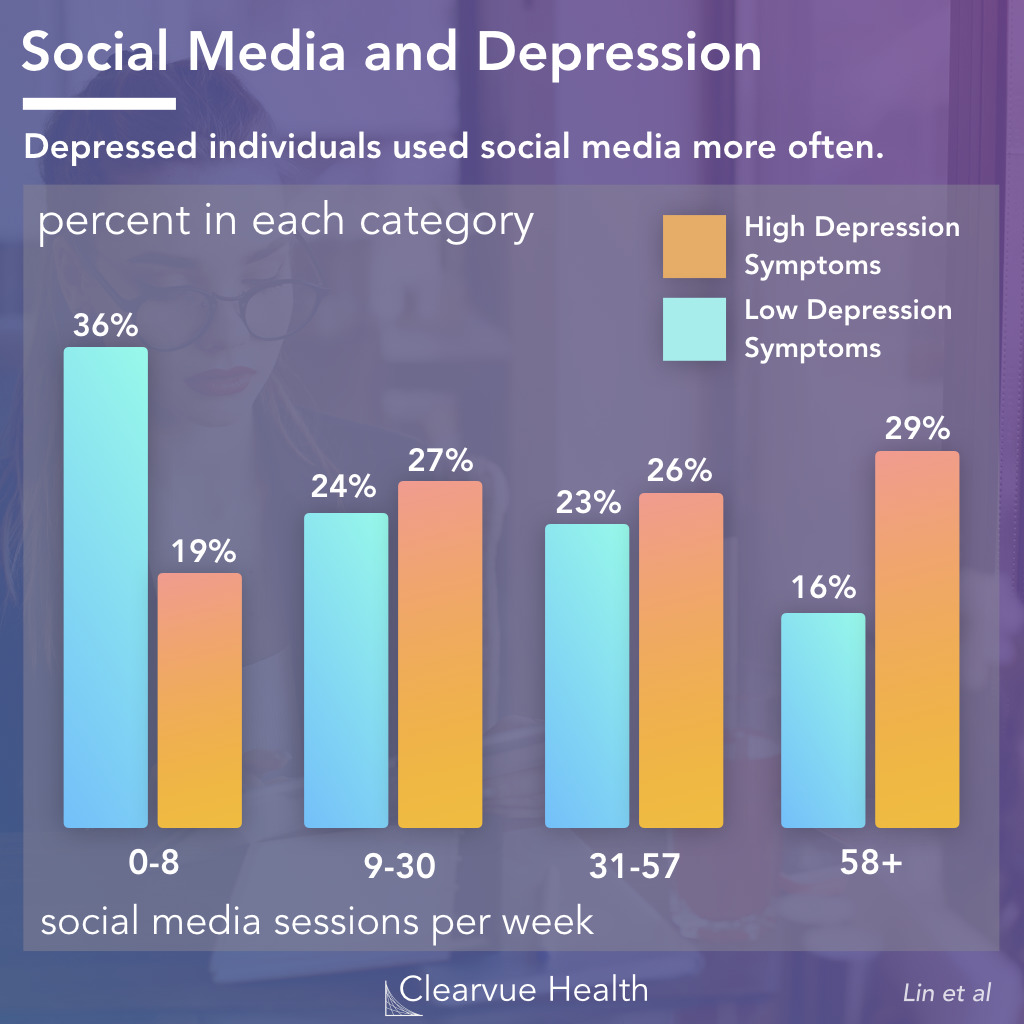
On the other hand, excessive technology use has been linked to various mental health concerns, including anxiety, depression, and loneliness. Social media, in particular, has been criticized for its potential to promote unrealistic comparisons, cyberbullying, and FOMO (fear of missing out). Furthermore, the constant stream of information and notifications can lead to digital fatigue, making it difficult to disconnect and relax.
The Science Behind Technology Use and Mental Health
Emerging scientific evidence suggests that frequent digital technology use has a significant impact on brain function and behavior. Studies have shown that excessive screen time can lead to cognitive decline, disrupted sleep patterns, and reduced physical activity. Furthermore, the constant exposure to screens can lead to changes in brain structure and function, particularly in areas responsible for attention, emotion regulation, and impulse control.
The Dark Side of Technology Use

While technology has the potential to improve mental health, excessive use can have negative consequences. Some of the potential harms of technology use include:
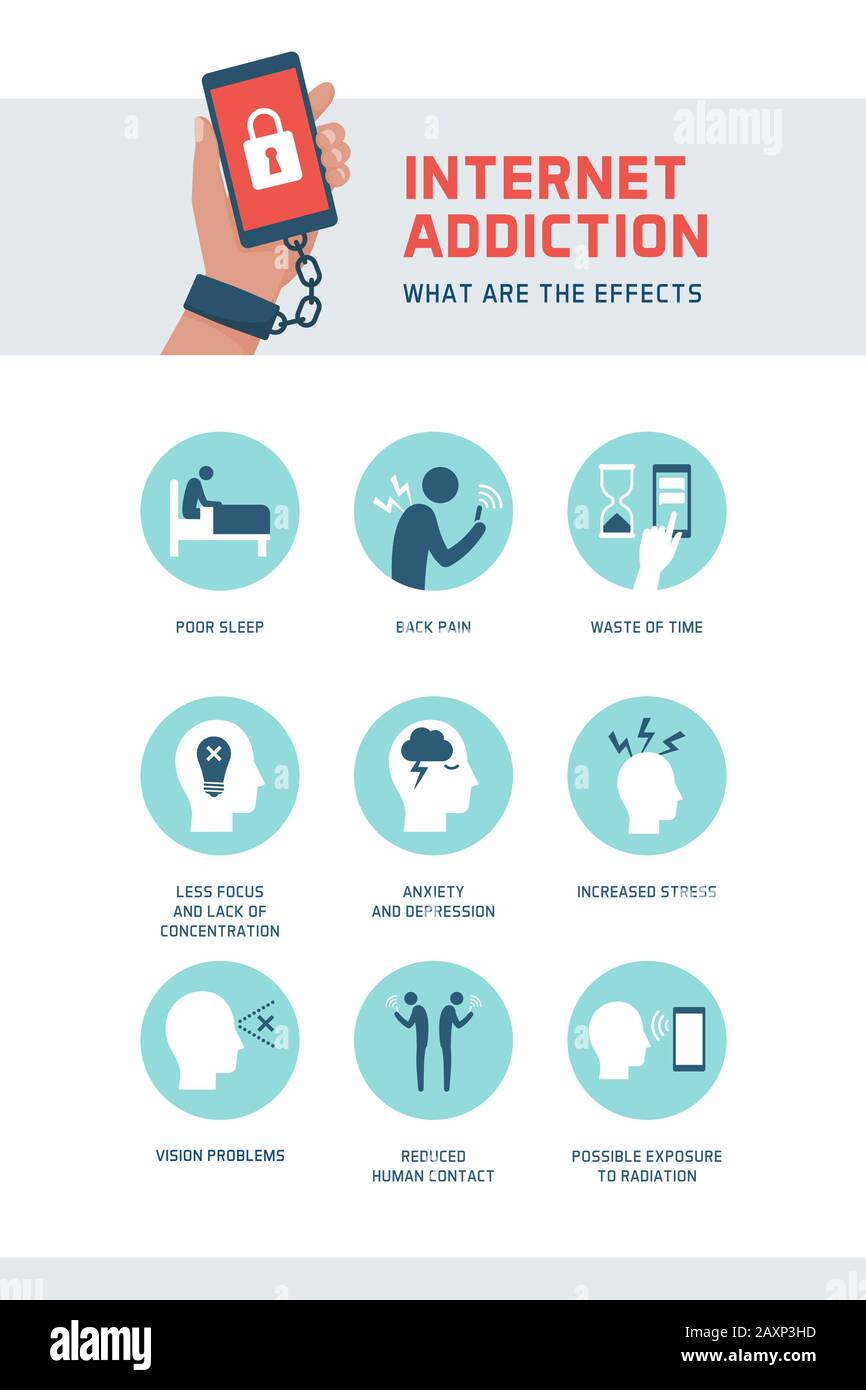
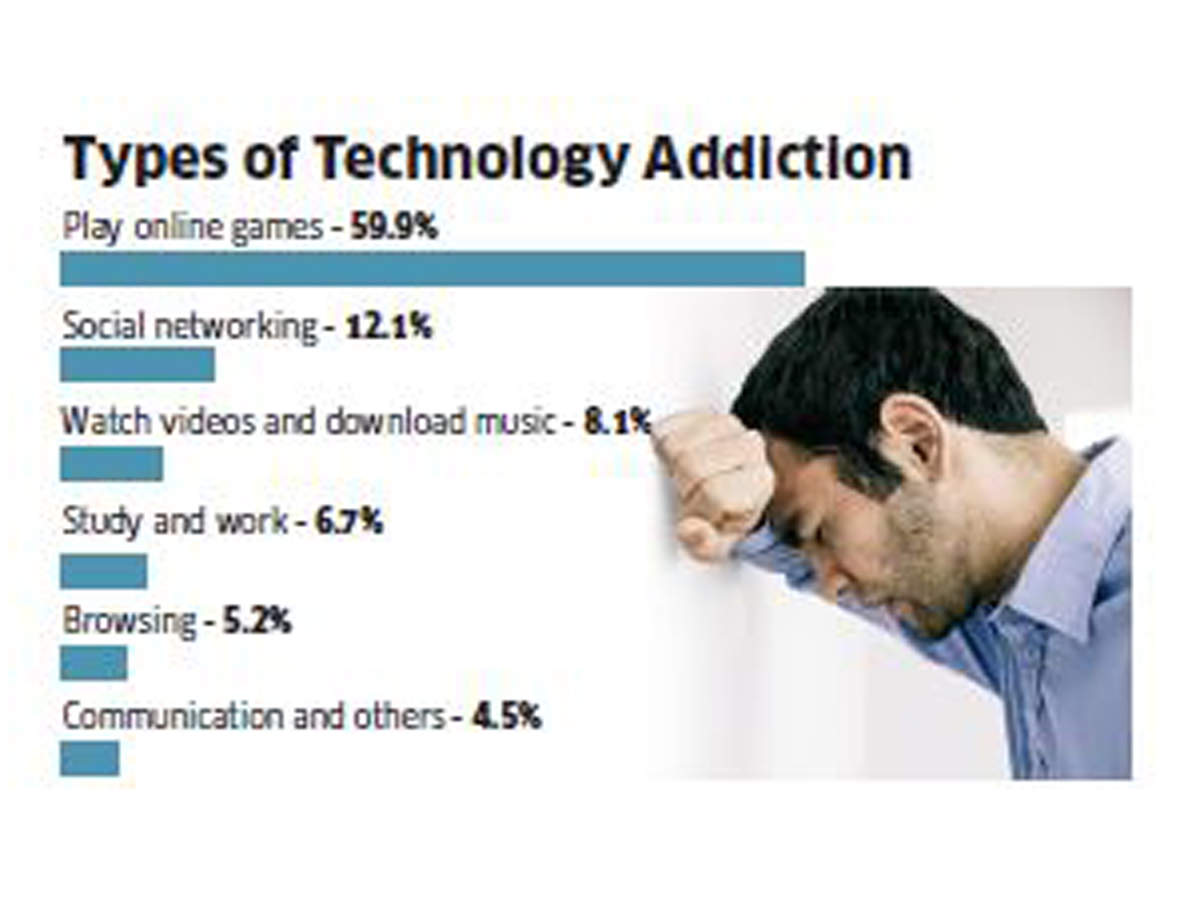
- Digital addiction: Spending excessive time on screens, leading to decreased productivity, social isolation, and decreased face-to-face interactions.
- Cyberbullying: Online harassment and abuse, which can lead to anxiety, depression, and decreased self-esteem.
- Social isolation: Reduced face-to-face interactions, leading to feelings of loneliness and disconnection.
- Sleep deprivation: Exposure to screens and the constant notifications can disrupt sleep patterns, leading to fatigue, irritability, and decreased cognitive function.
- Decreased attention span: The constant stream of information can lead to decreased attention span, making it difficult to focus and complete tasks.
Breaking the Cycle: Strategies for Healthy Technology Use
While technology is not inherently bad, excessive use can have negative consequences. Here are some strategies for healthy technology use:
- Set boundaries: Establish screen-free zones and times, such as during meals or an hour before bed.
- Use technology intentionally: Use technology to enhance your mental health, such as by connecting with others or accessing mental health resources, rather than mindlessly scrolling through social media.
- Practice self-care: Engage in activities that promote relaxation and stress reduction, such as exercise, meditation, or reading.
- Seek support: Connect with others, either online or in-person, to build social connections and reduce feelings of loneliness.
- Monitor your use: Track your screen time and set goals for reducing your use.
Conclusion
The relationship between technology use and mental health is complex and multifaceted. While technology has the potential to improve mental health, excessive use can have negative consequences. By being aware of the potential harms of technology use and implementing strategies for healthy technology use, we can harness the benefits of technology while safeguarding our mental health and overall quality of life.


:max_bytes(150000):strip_icc()/link-between-social-media-and-mental-health-5089347-color-withtext-54a445186bb44974b059ac7b6494bcdf.gif "The evolving field of digital mental health: current evidence and ...")