Why Phubbing is Problematic: Understanding the Impact on Relationships and Mental Health
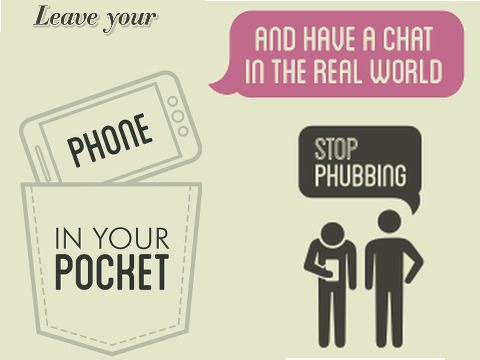
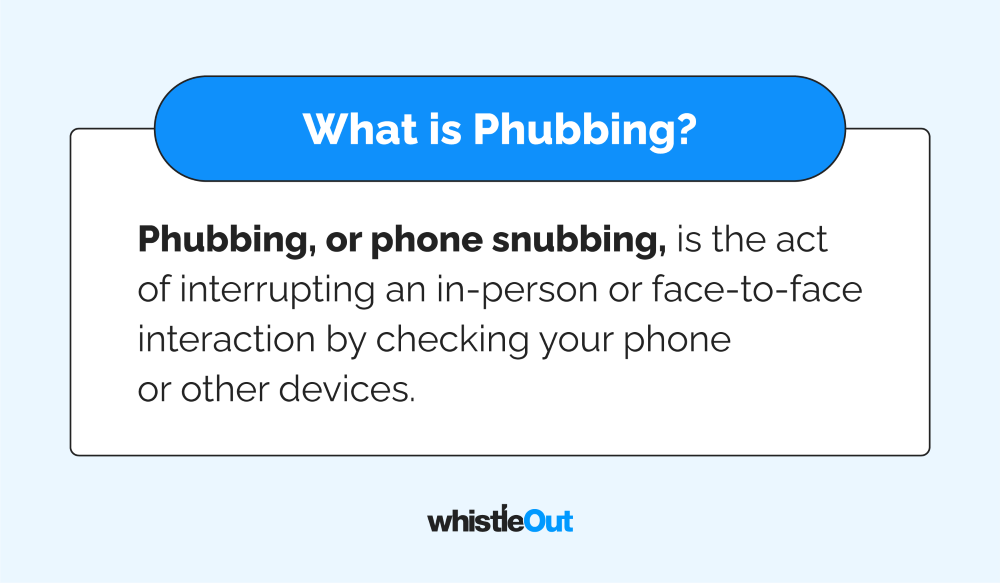
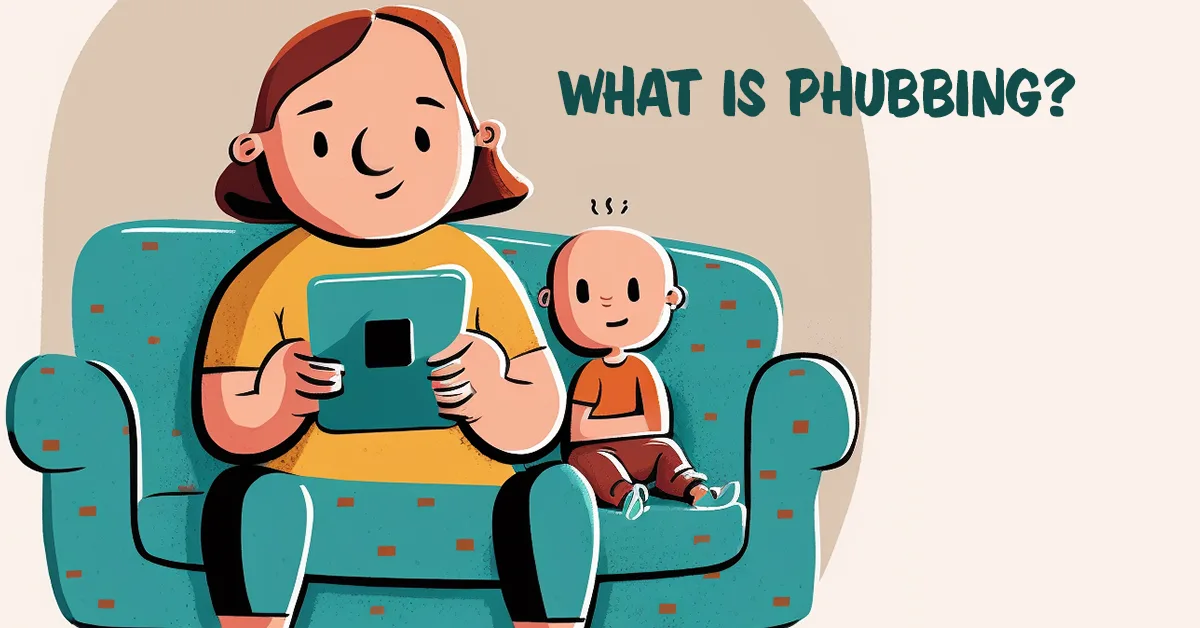
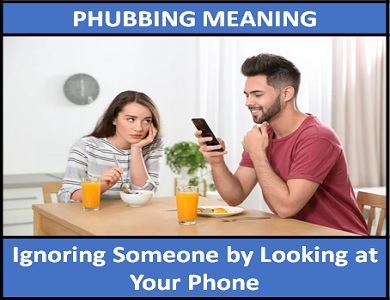
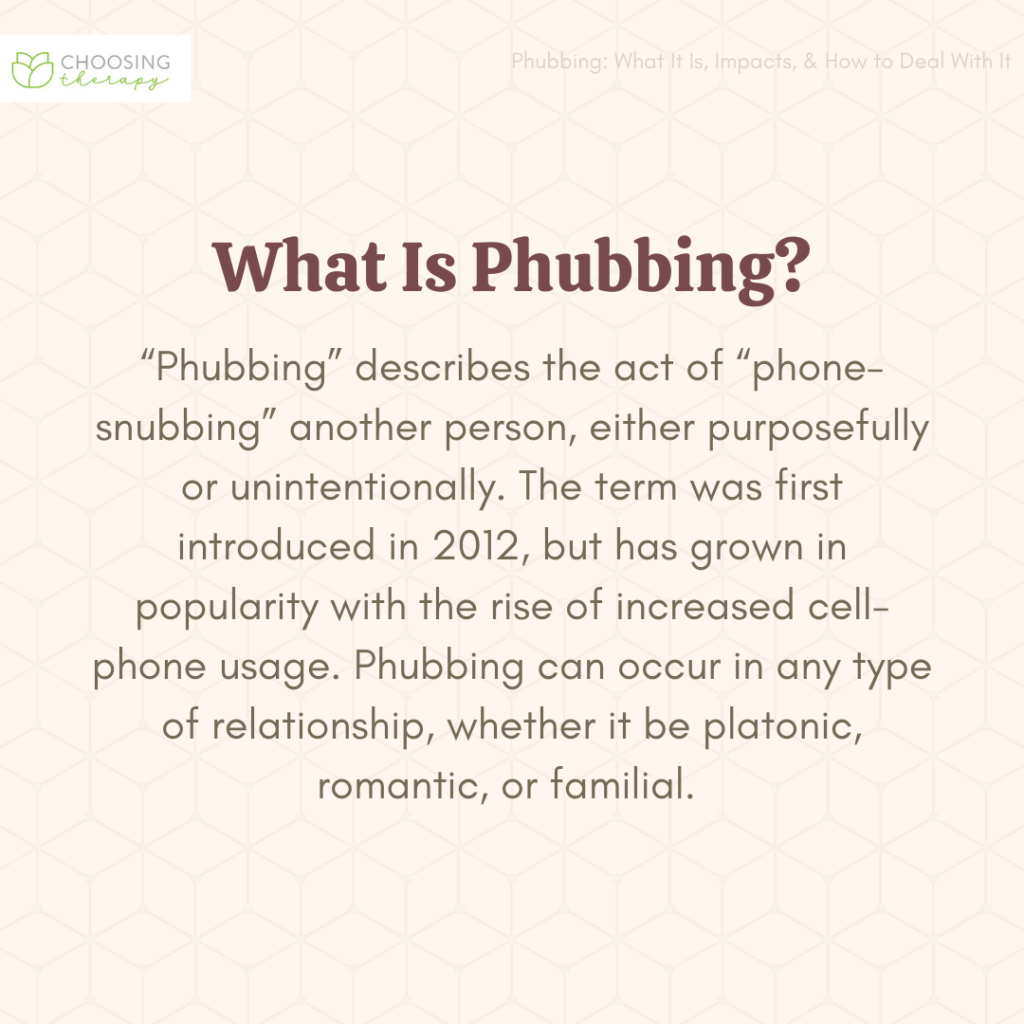
Phubbing, or "phone snubbing," has become an increasingly common phenomenon in modern society. It refers to the act of ignoring someone in a social setting by focusing on your phone instead of engaging with the person. While it may seem like a harmless habit, phubbing can have significant consequences on relationships and mental health.
The Psychology Behind Phubbing
Experts say the real issue isn't the phone itself, but the emotional meaning attached to being ignored. When we prioritize our phones over face-to-face interactions, we send a message that the other person is not important or valuable to us. This can lead to feelings of rejection, insecurity, and even anxiety.
- Attachment Styles:** Research has shown that phubbing can be particularly damaging for individuals with attachment issues, as it can exacerbate feelings of abandonment and rejection.
- Emotional Intelligence:** Phubbing can also hinder emotional intelligence, as it requires us to be present and aware of the other person's emotions and needs.
The Impact of Phubbing on Relationships
Phubbing can have a significant impact on relationships, particularly in the long term. When we regularly phub our partner or friend, it can lead to feelings of distrust, resentment, and isolation.
- Communication Breakdown:** Phubbing can disrupt communication, making it difficult to resolve conflicts and maintain intimacy.
- Trust Issues:** Repeated phubbing can erode trust, leading to feelings of insecurity and anxiety in the relationship.
- Mental Health:** Phubbing can also take a toll on mental health, contributing to symptoms of depression, anxiety, and loneliness.
Recognizing and Overcoming Phubbing
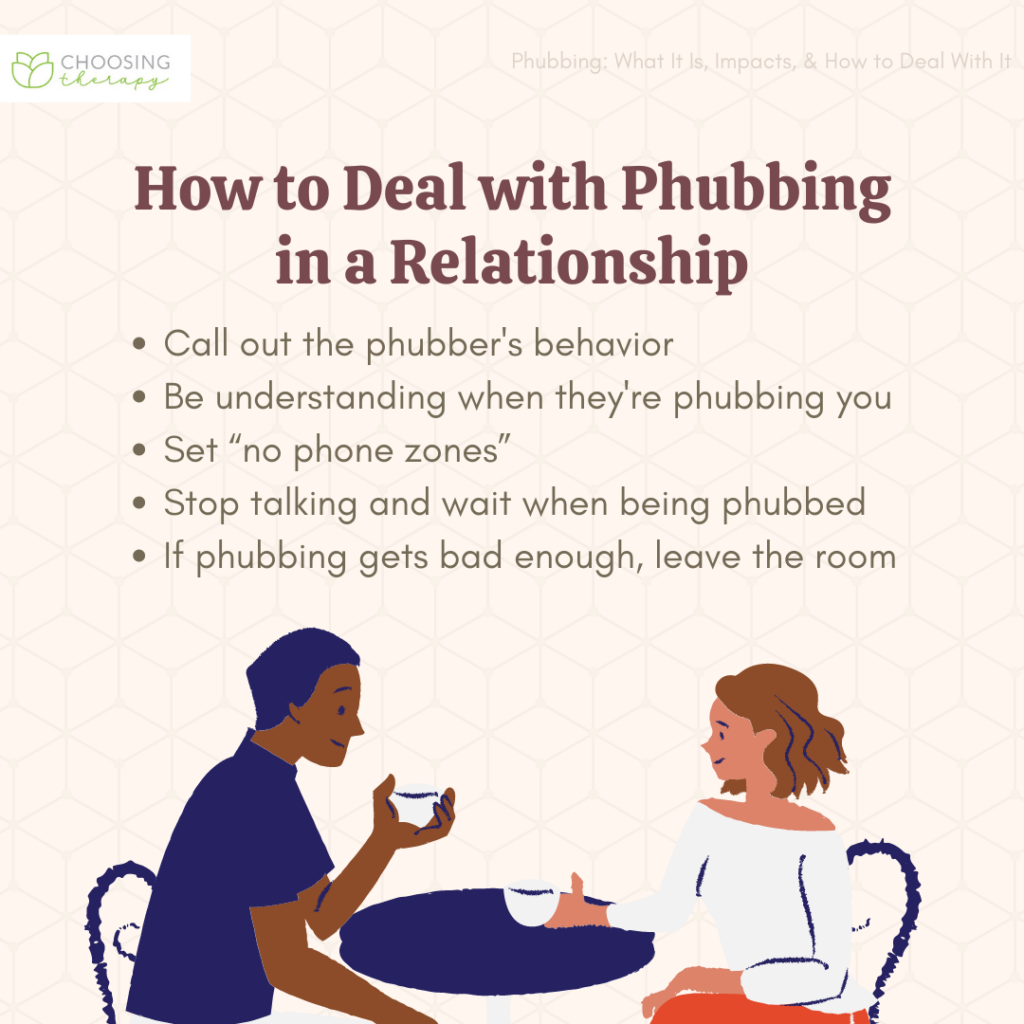
So, how can we recognize and overcome phubbing? Here are some signs and strategies to help you get started:
- Signs of Phubbing:** Pay attention to your phone use in social situations. Do you find yourself reaching for your phone constantly, even when you're with others?
- Strategies to Overcome Phubbing:** Make a conscious effort to put your phone away in social situations, engage in active listening and empathy, and prioritize face-to-face interactions.
Conclusion
Phubbing may seem like a harmless habit, but it can have significant consequences on relationships and mental health. By understanding the psychology behind phubbing and recognizing the signs, we can take steps to overcome this behavior and cultivate healthier, more meaningful connections with others.
References
Roberts, J. A., & David, M. E. (2016). My life has become a major distraction from my cell phone. Computers in Human Behavior, 54, 176-184.
Aagaard, K., Sturm, J., & Hunicke, J. (2021). Phubbing and social anxiety: An investigation of the relationship between smartphone use and social anxiety in a sample of college students. Computers in Human Behavior, 115, 1-9.
Olson, M. A., Bakker, A. B., & Frijters, H. J. (2020). Snubbing and smartphones: An analysis of the relationship between phone use and social exclusion. Computers in Human Behavior, 105, 1-9.