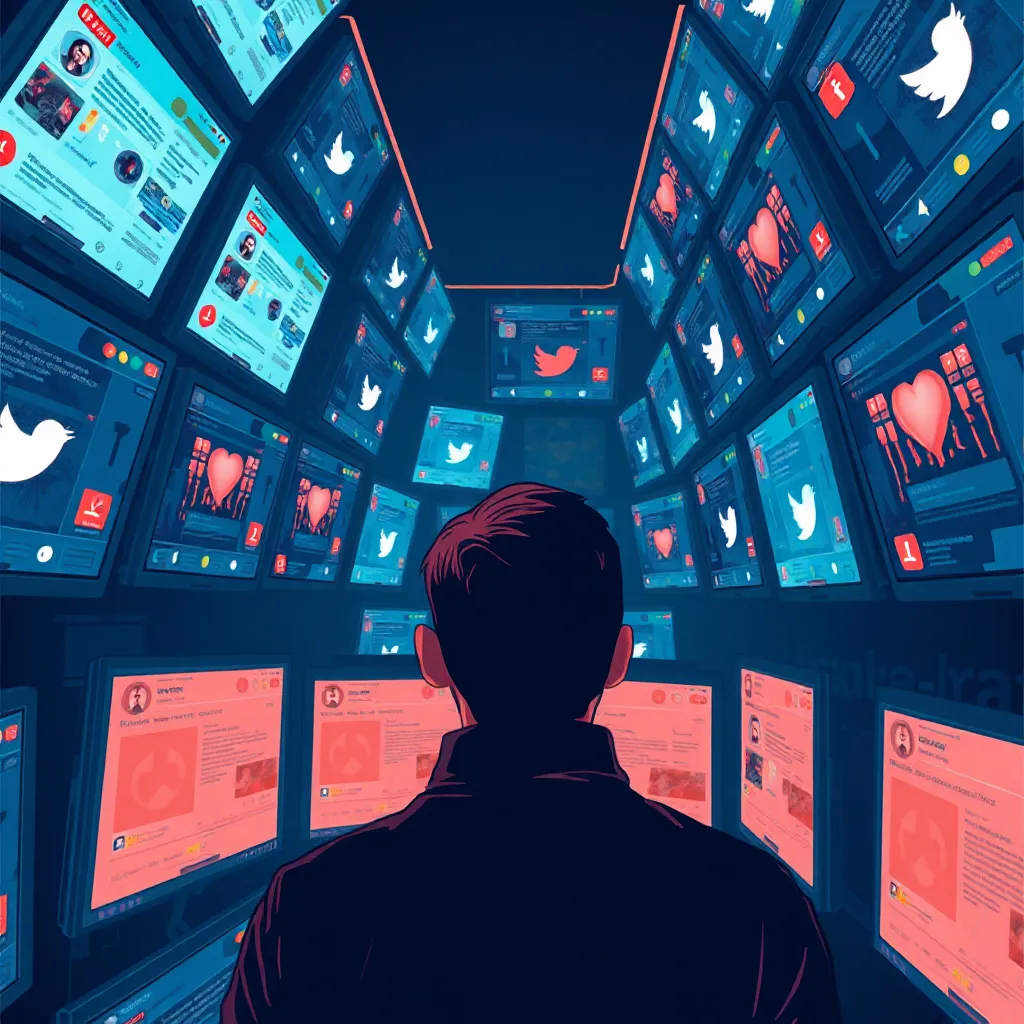
The Echo Chamber: A Distorted Information Environment
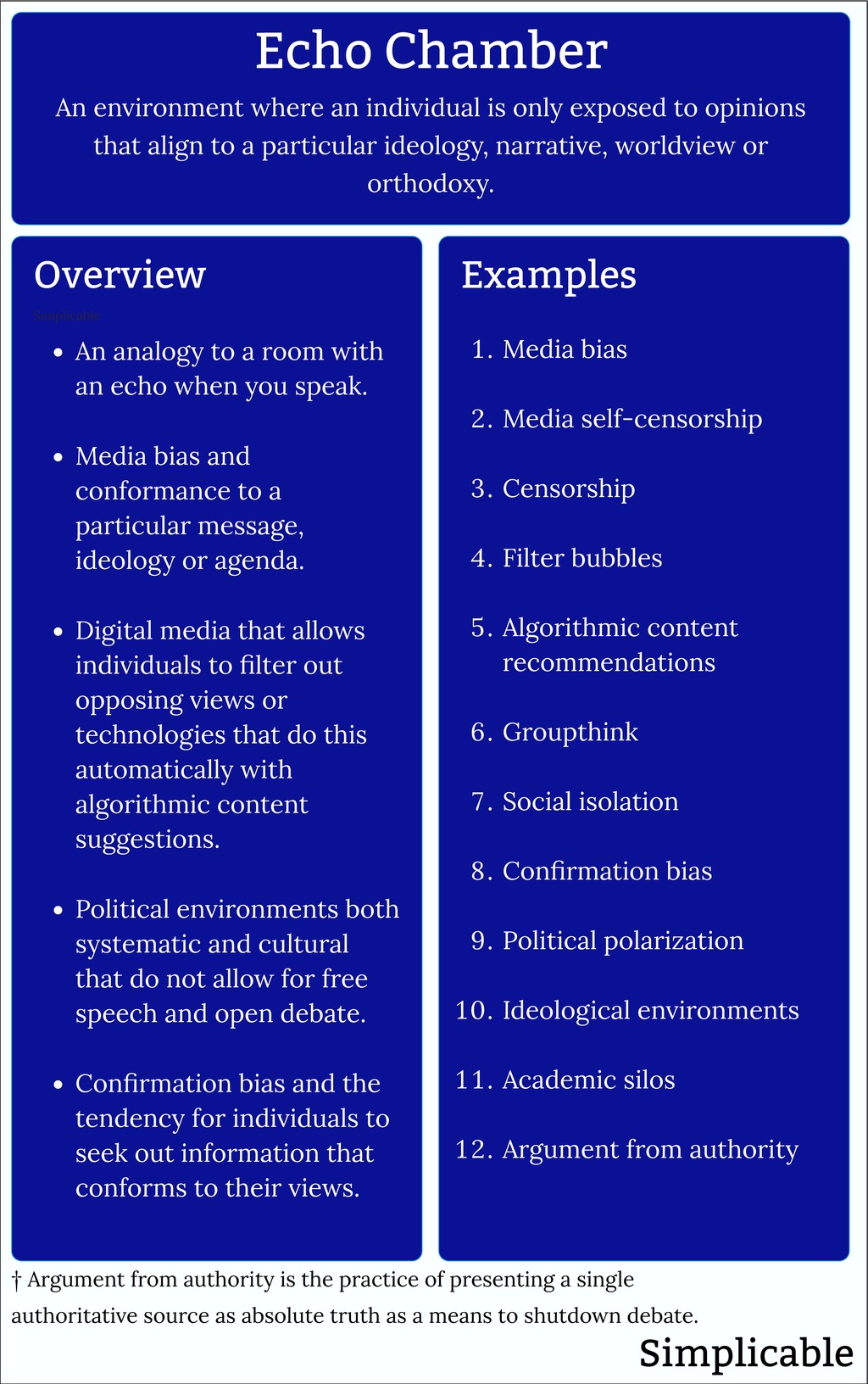
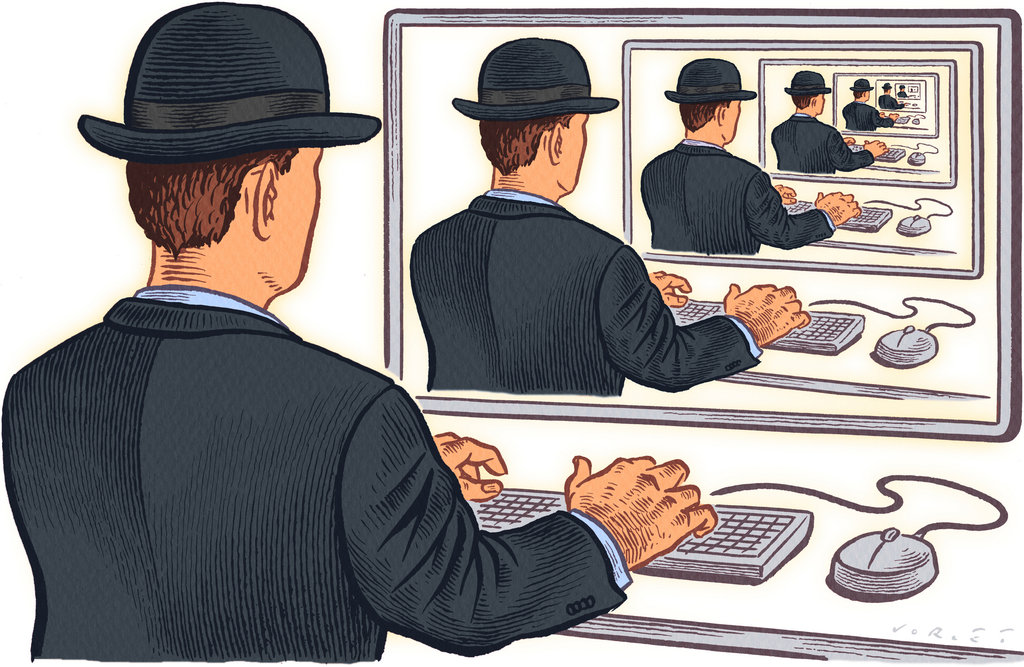
Anecho chamberis an environment where a person only encounters information that reflects and reinforces their own opinions.
The Concept of Echo Chambers
Definition: Anechochamberis an environment or ecosystem in which participants encounter beliefs that amplify or reinforce their preexisting beliefs, by communication and repetition inside a closed system and insulated from dissenting viewpoints.
What are Echo Chambers?
- A social environment where individuals are exposed primarily to information, opinions, and beliefs that reinforce their existing views.
- A phenomenon significantly influenced by media and technology, shaping the way information is disseminated and consumed.
- Spaces where dissenting voices are often absent or marginalized.
The Impact of Echo Chambers
Echochambersin social media represent a significant distortion of information environments, undermining the potential for informed discourse and contributing to societal polarization.
Technical and Sociological Mechanisms
The formation of echo chambers involves several technical and sociological mechanisms, including:
- Cognitive biases, such as confirmation bias and the availability heuristic.
- Interpersonal interactions, including social influence and group polarization.
- Media influence, including the way information is presented and disseminated.
Examples of Echo Chambers
Echochamberscan be found in various aspects of society, including:

- Social media platforms, where users often interact with people who share similar views.
- Flat-earth theorists, who create and participate in online communities that reinforce their conspiracy theories.
- Social groups, where individuals may surround themselves with people who share similar opinions and avoid dissenting voices.
Breaking Out of Echo Chambers
To break out of echo chambers, individuals can:
- Seek out diverse perspectives and engage in constructive dialogue.
- Expose themselves to opposing viewpoints and challenge their own assumptions.
- Use social media platforms and other online tools to engage with people who hold different opinions.
Conclusion
The echo chamber phenomenon is a complex issue that requires a nuanced understanding of the technical and sociological mechanisms involved.
By recognizing the impact of echo chambers on our beliefs and society, we can take steps to break out of these distorted information environments and engage in more informed and constructive discourse.
References
[1] Bakshy et al. (2015). Exposure to ideologically diverse news and opinion on Facebook. Science, 348(6239), 1130-1132.
[2] Best, W. (2020). The echo chamber effect: A review of the literature. Journal of Communication, 70(1), 35-53.
[3] Kaplan, J. (2015). The echo chamber effect: A study of the impact of social media on opinion formation. Journal of Information Technology and Politics, 12(2), 149-164.