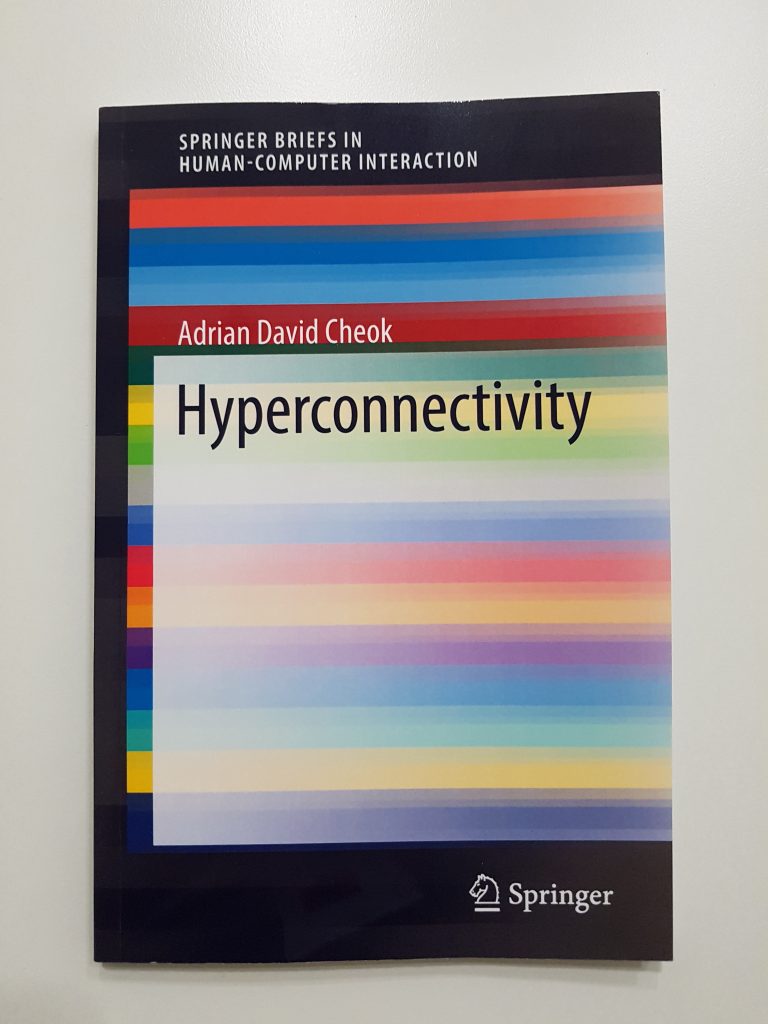
Hyperconnectivity in Modern Families: The Impact of Technology on Family Relationships
In today's fast-paced, tech-driven world, the traditional image of the nuclear family is fading fast. Replacing it is a more fluid, collaborative, and often financially pressured model, where both parents work, both parents, and both strive to maintain structure in an increasingly unstructured society. Family dynamics are continually evolving, largely influenced by the rapid advancement of technology. This transformation has injected new dynamics into family life, making it more complex yet intriguing.
Benefits of Technology in Family Life
Technology has brought about numerous benefits in family life, including:
- Increased access to information and resources
- Improved communication and connection among family members
- Enhanced educational experiences and opportunities
- Access to virtual support networks and communities
However, with the advent of hyperconnectivity, we are witnessing both the benefits and pitfalls of technology on family relationships. While technology has opened up new avenues for connection and communication, it has also led to excessive screen time, decreased face-to-face interaction, and increased digital distractions.
Challenges of Hyperconnectivity in Modern Families
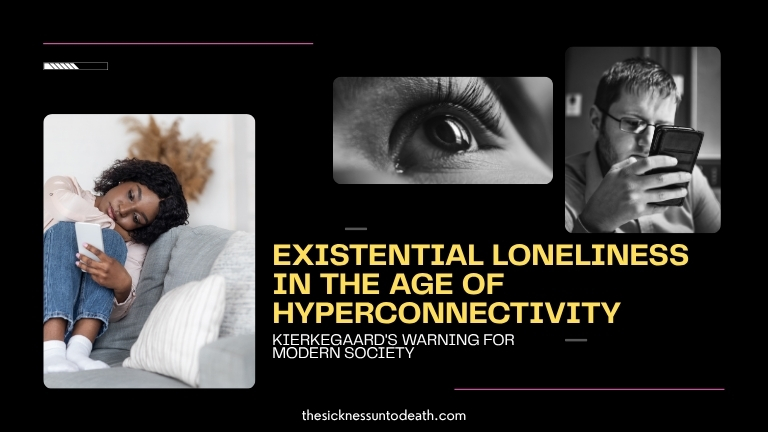
The shift to a hyperconnected world presents a formidable opportunity but also risks and challenges for modern families. Some of the challenges associated with hyperconnectivity include:
- Excessive screen time and decreased physical activity
- Increased stress and anxiety related to digital overload
- Decreased face-to-face interaction and social skills
- Cyberbullying and online harassment
- Increased competition and comparison among family members
The Digital Revolution and Mental Health
As the digital revolution continues to evolve, it is essential to prioritize mental health protection and prevention. Modern psychological stress grows steadily as individuals face digital overload, unattainable social norms, and do not spend enough time away from technology. The American family has undergone significant change in recent decades, with no longer one predominant family form, and Americans are experiencing family life in increasingly diverse ways.
Hyperconnectivity and Family Relationships
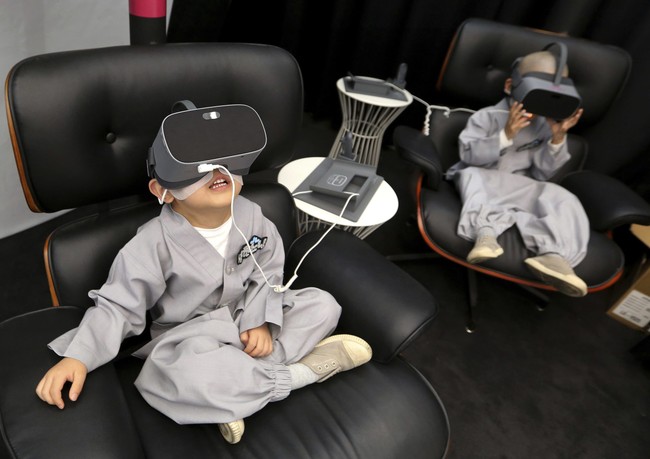
Research on hyperconnectivity and its impact on family relationships is still in its early stages, but it is clear that the digital revolution has transformed the way we connect, communicate, and interact with one another. Families can engage in multiplayer online games, participate in virtual reality experiences, or collaborate on digital projects like blogs or videos. These activities allow families to engage with technology in a positive, shared context, reinforcing connections and creating new, modern traditions.
Conclusion
Hyperconnectivity is a defining feature of our time, affecting various aspects of our lives, including family dynamics and relationships. While technology has brought numerous benefits, it has also led to excessive screen time, decreased face-to-face interaction, and increased digital distractions. As we navigate this complex world, it is essential to prioritize mental health protection, prevention, and education to foster healthy and positive family relationships in the digital age.










.jfif "How the American Family Has Changed | Pew Research Center")