Live Streaming Setup Requirements: Elevate Your Broadcast with the Right Equipment
Livestreaming has become an integral part of our entertainment and information ecosystem, with millions of users engaging with real-time content daily. As the global livestreaming market is projected to reach $247 billion by 2027, it's essential to have a solid understanding of the hardware and software requirements for a successful live broadcast. In this comprehensive guide, we'll walk you through the key elements of a high-quality live streaming setup, ensuring a smooth and engaging experience for your audience.
Understanding Live Streaming Setup Requirements
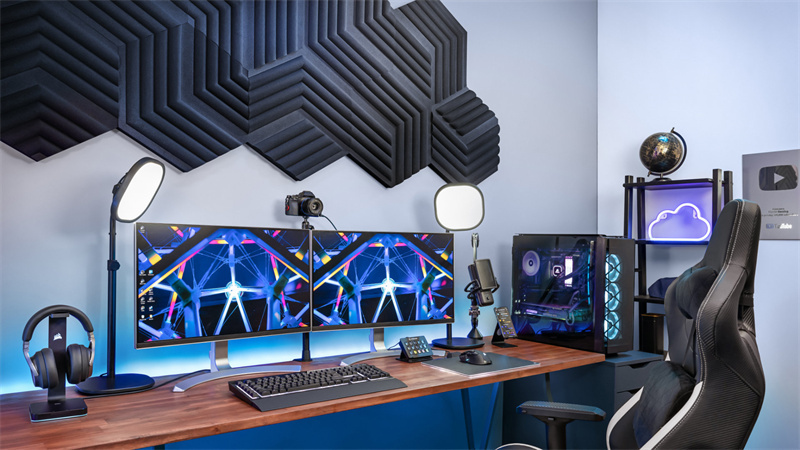
Unlike traditional video recording, livestreaming demands a more complex setup that can handle real-time data transmission and ensure high-quality video and audio. A well-planned setup is crucial for a successful live broadcast, and it's where most streamers go wrong. A professional streamer needs to consider several factors, including equipment quality, software compatibility, internet bandwidth, and device compatibility.
Equipment Requirements for a High-Quality Live Streaming Setup
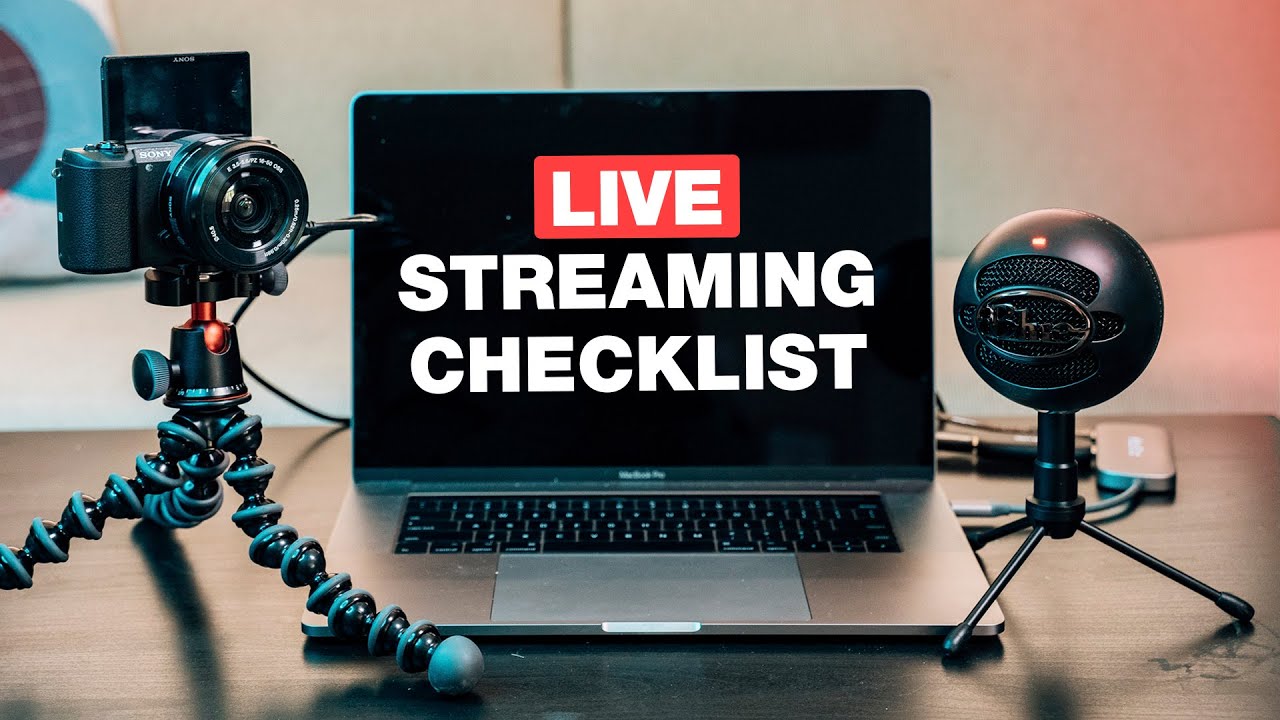
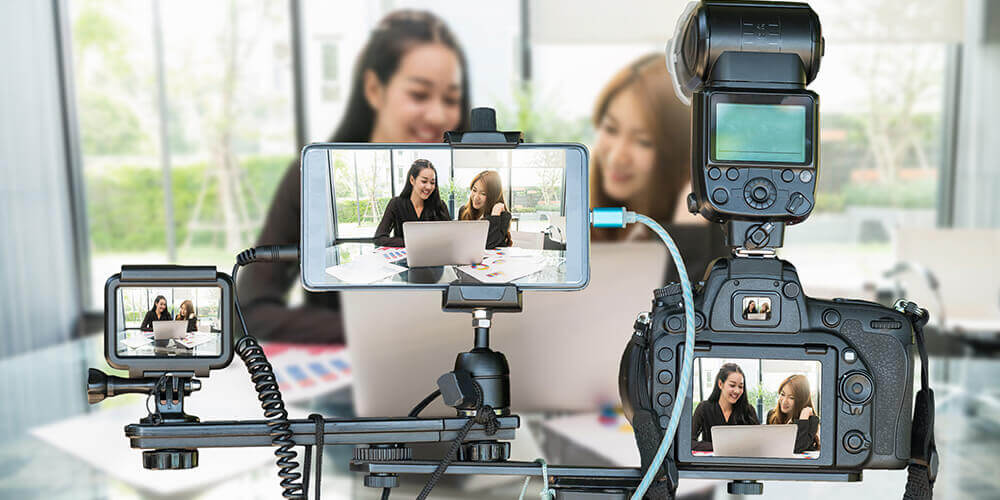
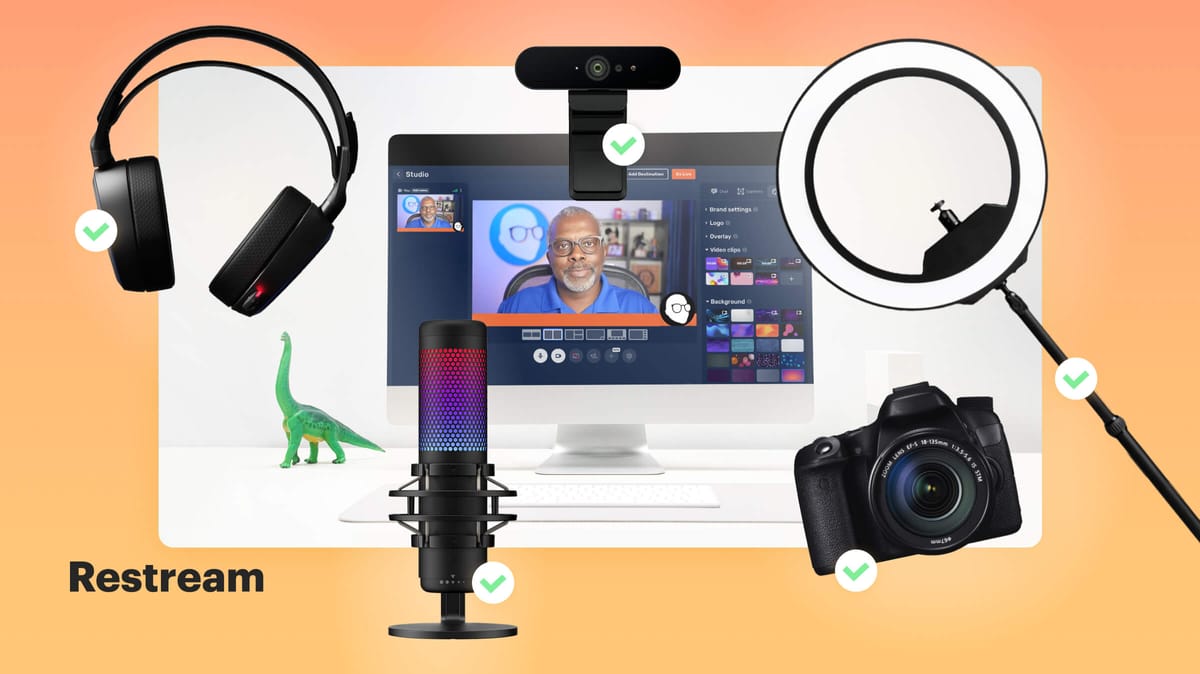
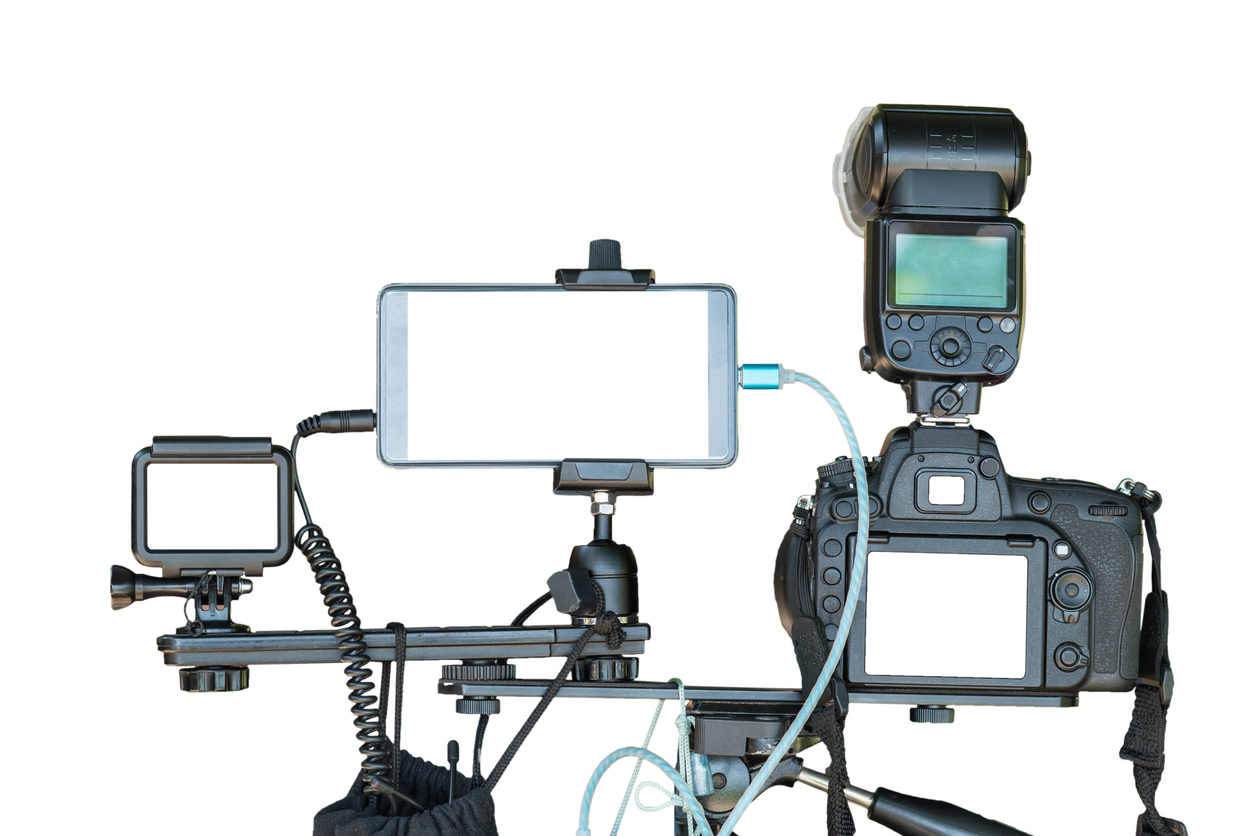
- Camera:** A good camera is essential for high-quality video. Consider a 4K-resolution camera with a high FPS (frames per second) for smooth motion capture.
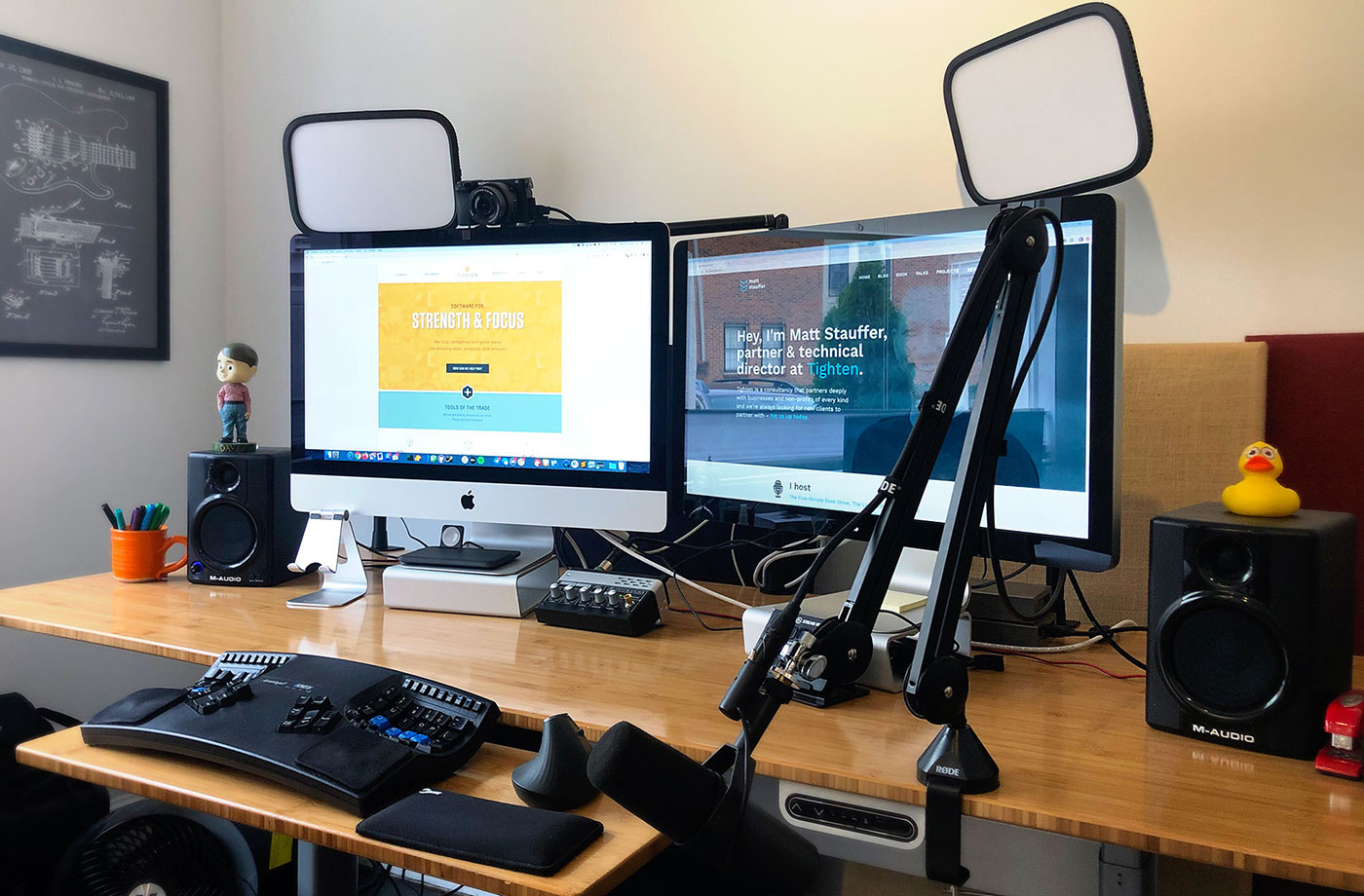
- Microphone:** A high-quality external microphone ensures crisp and clear audio, which is essential for engaging your audience.
- Encoder:** An encoder converts your video and audio into a format that can be streamed over the internet. Consider a hardware encoder for better quality and stability.
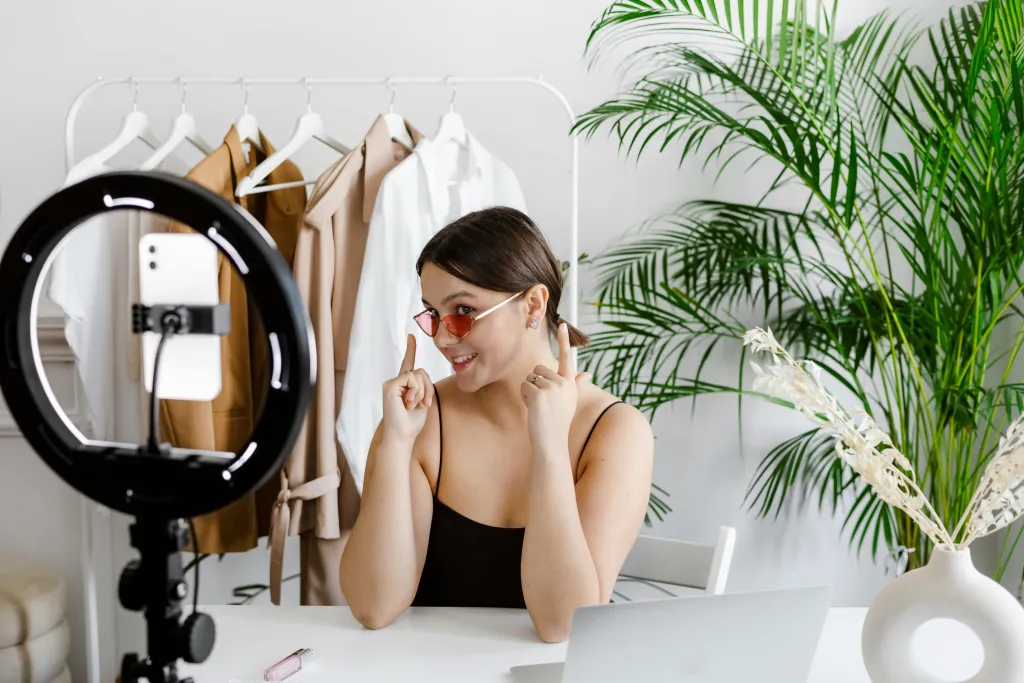
- Lighting:** Proper lighting is crucial for a professional-looking broadcast. Invest in a well-lit setup, especially if you're planning to stream in low-light conditions.
- Internet Connection:** A fast and stable internet connection is essential for livestreaming. Ensure you have a minimum upload speed of 5 Mbps for 1080p resolution and 10 Mbps for 4K resolution.
Software Requirements for a Smooth Live Streaming Experience

- Stream Software:** Invest in a reputable stream software like OBS Studio, XSplit, or Streamlabs OBS, which offer advanced features, customization options, and seamless integrations with various platforms.
- Video Editing Software:** Consider video editing software like Adobe Premiere Pro, Final Cut Pro, or DaVinci Resolve, which can help you create engaging graphics, overlays, and transitions.
- Audio Editing Software:** Invest in audio editing software like Adobe Audition, Audacity, or GarageBand, which can help you refine your audio and create engaging sound effects.
Device Considerations for a Reliable Live Streaming Setup
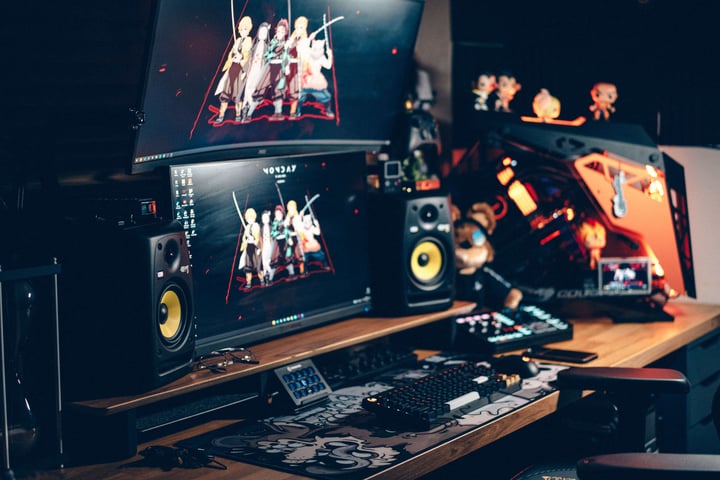
- Computer or Gaming Console:** Invest in a high-performance computer or gaming console that can handle demanding live streaming tasks.
- Standalone Encoder:** Consider a standalone encoder for better stability, quality, and ease of use.
- Capture Card:** A capture card helps capture video and audio from various devices, ensuring seamless integration with your stream software.
Conclusion: Mastering Live Streaming Setup Requirements
In conclusion, a successful live streaming setup requires careful planning, investment in high-quality equipment, and a deep understanding of software and device considerations. By adhering to these guidelines, you'll be well-equipped to deliver high-quality, engaging live broadcasts that captivate your audience and help you stand out in the competitive world of livestreaming. Remember, a solid setup is just the beginning; consistency, creativity, and continuous improvement are the keys to success in the world of livestreaming.