Protecting Your Facebook Account from Scammers Online: A Comprehensive Guide
With the rise of social media, online scams have become a significant concern. Hackers and scammers target people to trick them into giving away money or sensitive information, causing financial loss, identity theft, and damaged personal relationships. In this article, we will provide you with essential tips and information on how to protect your Facebook account from online scams.
What Are Facebook Scams?
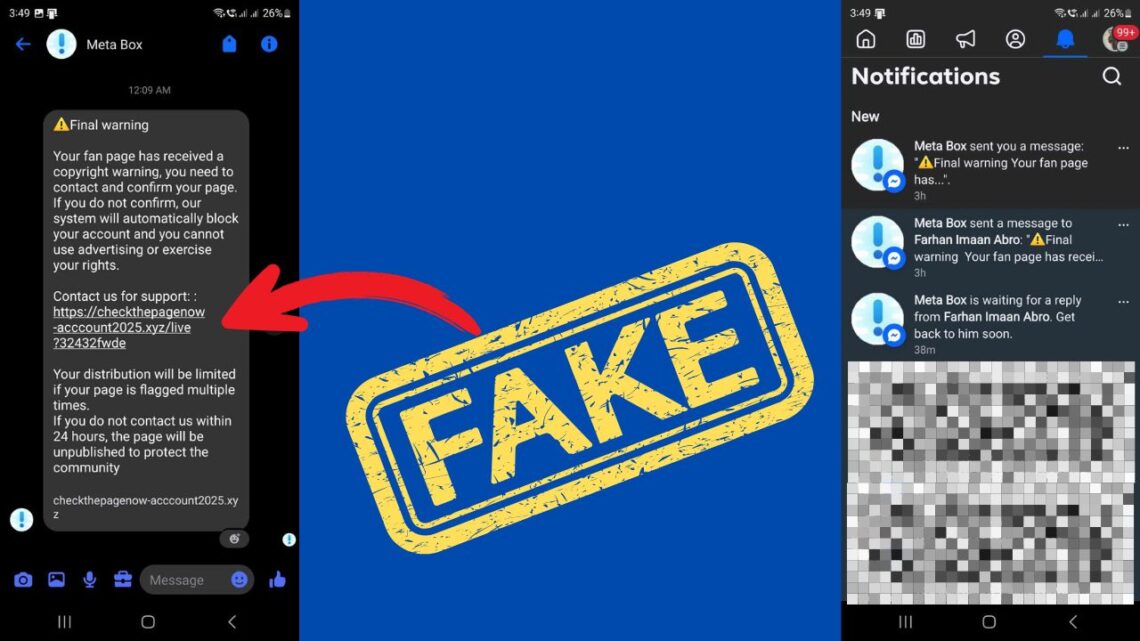
Facebook scams are fraudulent activities designed to steal money, personal information, or account access. Scammers often use fake Facebook login pages, impersonation tactics, and malicious links to trick Facebook users into divulging sensitive data. These scams exploit trust, urgency, and the popularity of online platforms to defraud unsuspecting individuals.
Protecting Your Facebook Account from Scammers Online
To protect your Facebook account from scammers online, you need to be aware of the common tactics they use. Here are some tips to help you stay safe:
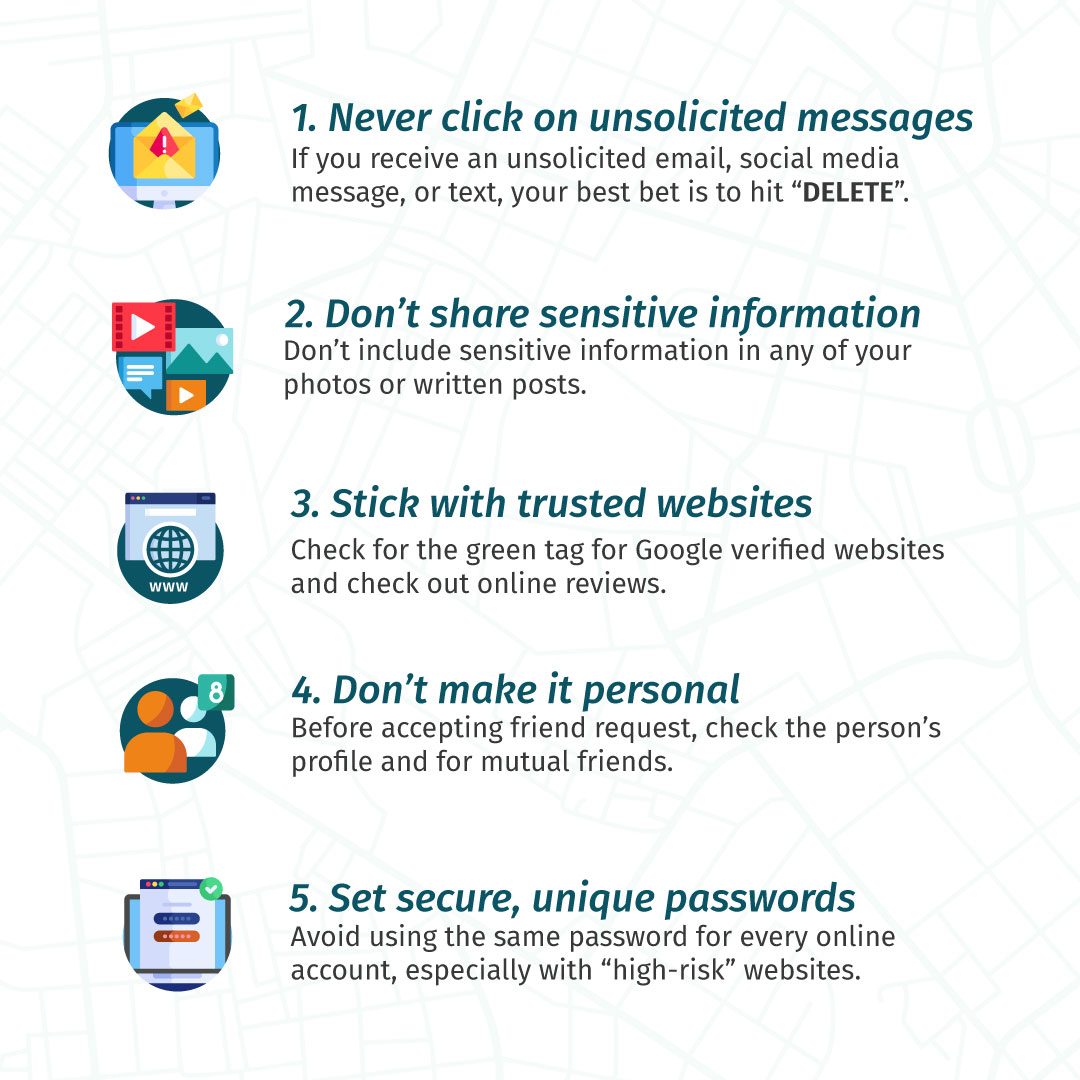
- Verify Links:** Always verify links before clicking on them. Be cautious of links that ask you to enter your login details or personal information.
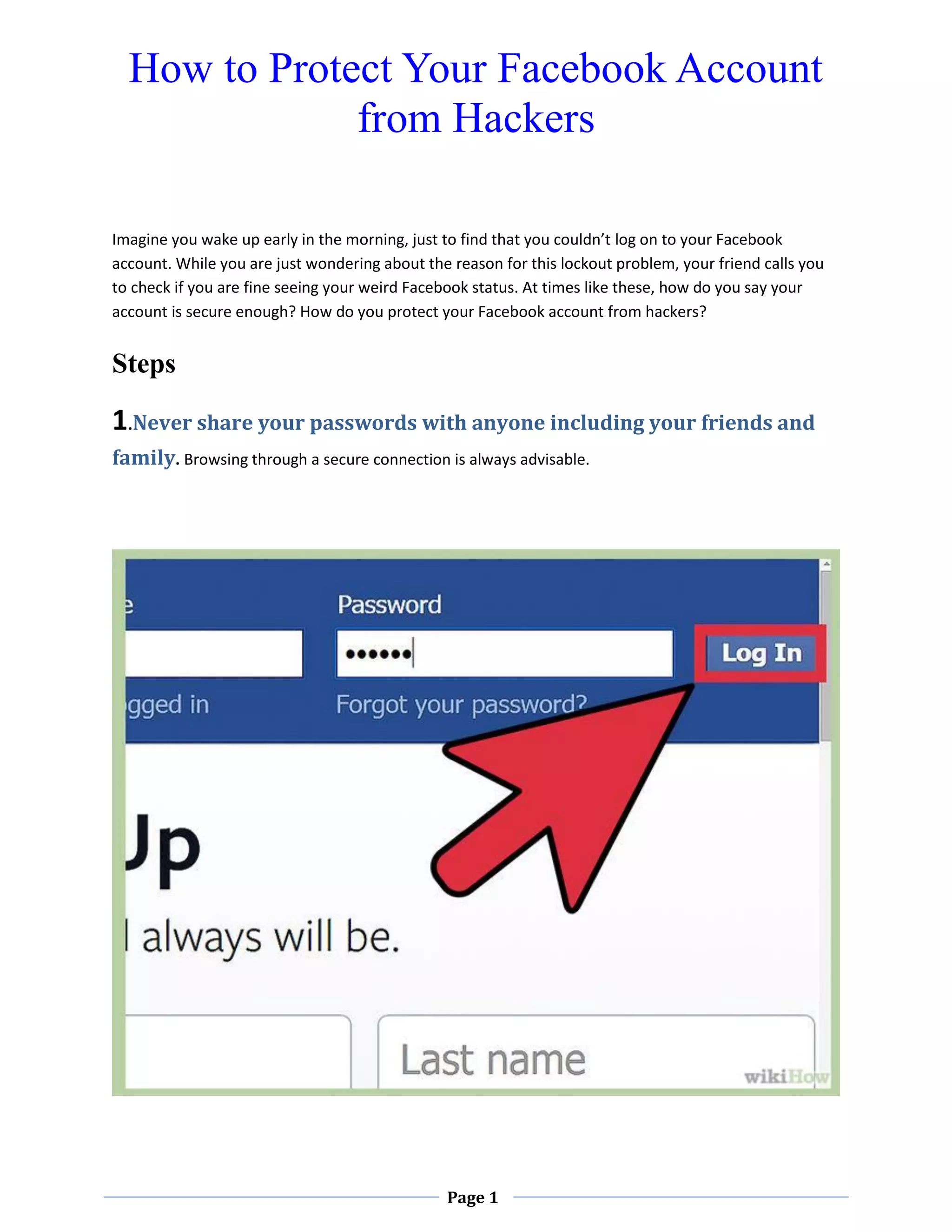
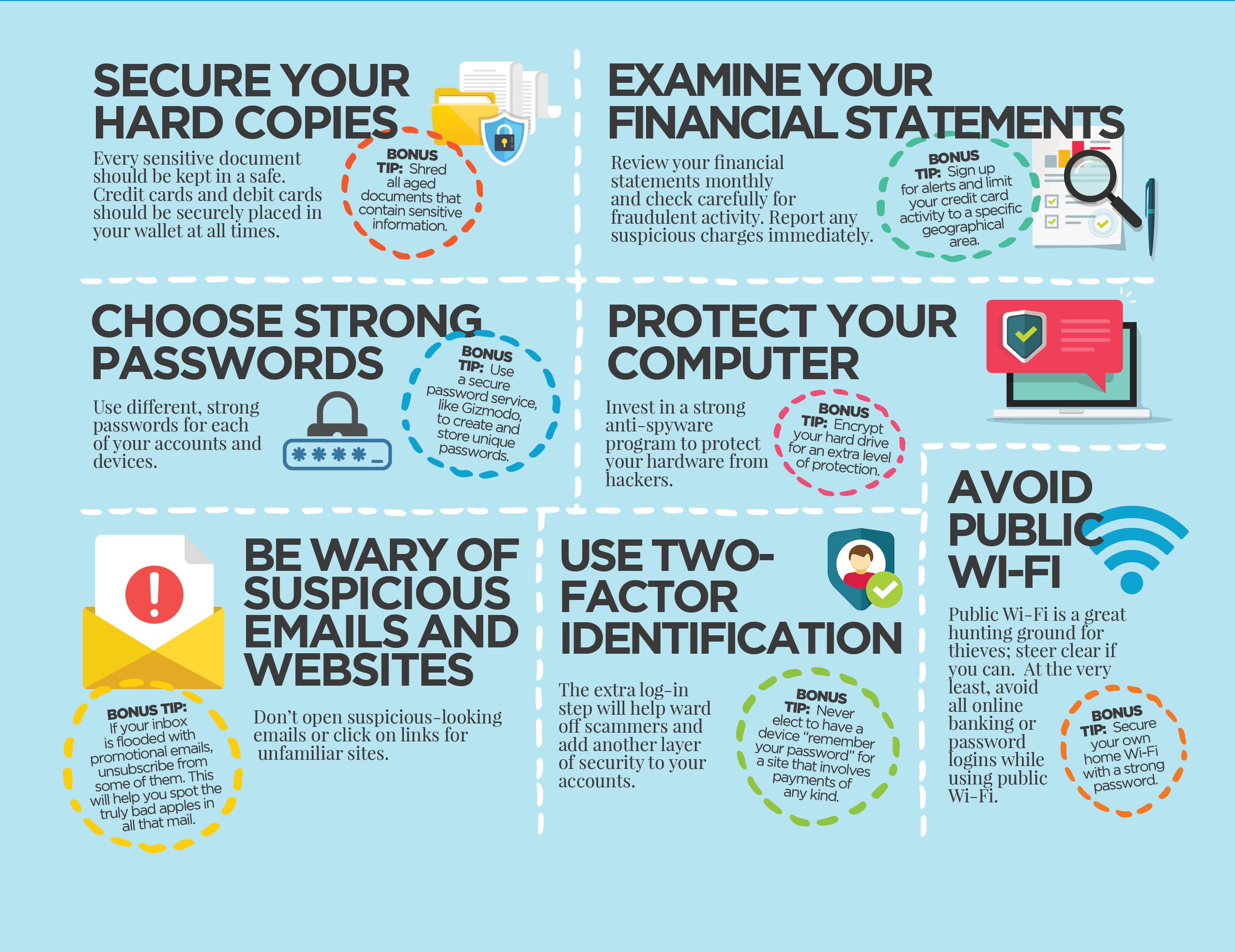
- Use Strong Passwords:** Use a strong and unique password for your Facebook account. Avoid using easily guessable information such as your name, birthdate, or common words.
- Enable Two-Factor Authentication (2FA):** Enable 2FA to add an extra layer of security to your account. This will require you to enter a code sent to your phone or email to log in.
- Monitor Your Account Activity:** Regularly monitor your account activity to detect any suspicious behavior. Check your login history and report any unauthorized access.
- Don't Click on Suspicious Messages:** Be cautious of messages that ask you to click on links or download attachments. Be wary of messages that create a sense of urgency or ask you to provide sensitive information.
- Use Facebook's Security Features:** Use Facebook's security features such as account recovery, login notifications, and alerts to stay informed about any suspicious activity.
- Report Scams:** Report any suspicious activity or scams to Facebook's support team. This will help prevent scammers from targeting other users.
Common Facebook Scams to Watch Out For
Here are some common Facebook scams to watch out for:
- Email Scams:** Scammers send fake emails claiming to be from Facebook, asking you to click on links or provide sensitive information.
- Phone Scams:** Scammers call you claiming to be from Facebook, asking you to provide sensitive information or click on links.
- Phishing Scams:** Scammers create fake login pages or email links to trick you into providing sensitive information.
- Impersonation Scams:** Scammers create fake Facebook profiles impersonating friends or celebrities to trick you into providing sensitive information.
Protecting Yourself from Facebook Scams
Protecting yourself from Facebook scams requires awareness and caution. Here are some additional tips to help you stay safe:
- Be Cautious of Friendship Requests:** Be cautious of friend requests from people you don't know. Scammers often create fake profiles to trick you into providing sensitive information.
- Verify Messages:** Always verify messages from friends before clicking on links or providing sensitive information.
- Use Antivirus Software:** Install antivirus software on your device to protect against malware and other online threats.
- Stay Informed:** Stay informed about the latest Facebook scams and updates to help protect yourself.
Conclusion
Protecting your Facebook account from scammers online requires awareness, caution, and effort. By following the tips outlined in this article, you can stay safe and secure on the Facebook platform. Remember to always verify links, use strong passwords, and report any suspicious activity to help prevent scammers from targeting other users.
By working together, we can create a safer and more secure online community. Share this article with your friends and family to help spread awareness and protect each other from online scams.





 "When someone phones you, saying they're from your bank's ... - Facebook")