Unlock the Power of Small Business Ownership
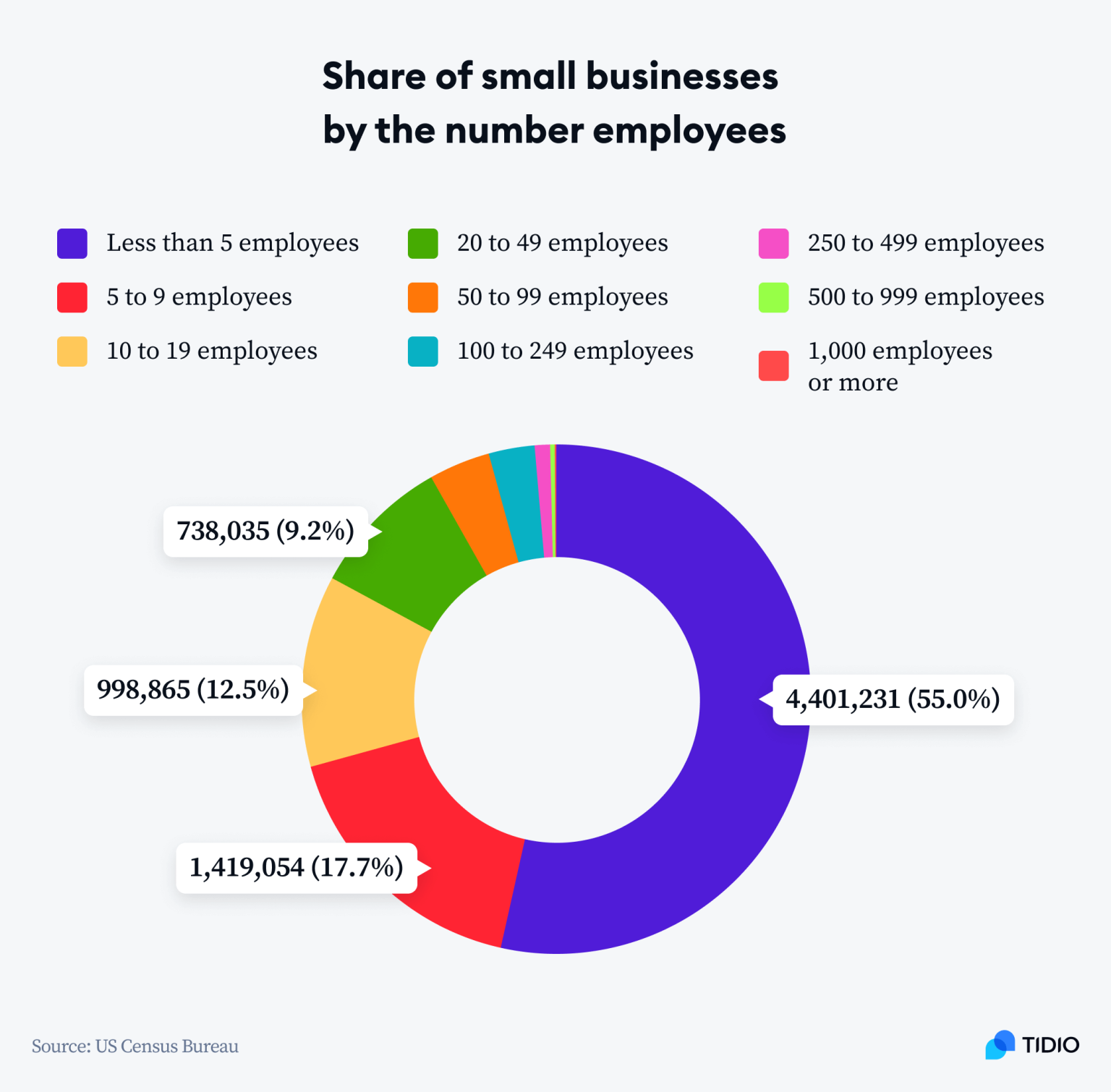
Small business ownership in the United States refers to independent enterprises with fewer than 500 employees, as defined by the Small Business Administration (SBA). This sector is characterized by the entrepreneurial spirit, where owners strive for independence, often investing personal savings and resources from family and friends into their ventures. Despite the allure of self-employment, navigating the complexities of small business ownership can be daunting, especially for those new to entrepreneurship.
Understanding the Benefits and Risks of Small Business Ownership
When considering small business ownership, it's essential to weigh the benefits and risks. On one hand, entrepreneurship allows individuals to pursue their passions and build a business that reflects their values. Small business owners also enjoy the autonomy to make decisions and control their destiny. On the other hand, entrepreneurship can be unpredictable, with high risks of failure, financial instability, and personal sacrifices. Furthermore, small business owners bear significant responsibilities, including managing finances, HR, and marketing, which can be overwhelming.
The Five Types of Business Ownership
There are five primary types of business ownership, each with its unique characteristics, advantages, and disadvantages:
- Sole Proprietorship: A sole proprietorship is owned and operated by one individual, with complete control over decision-making and finances. The advantages include ease of setup, minimal regulatory requirements, and direct access to profits. However, the owner is personally liable for debts and obligations, and the business income is subject to self-employment taxes.
- Partnership: A partnership involves two or more individuals sharing ownership and decision-making responsibilities. The benefits include shared risk and workload, but also increased complexity in decision-making and potential conflicts among partners. Partners are also personally liable for business debts and obligations.
- Corporation: A corporation is a separate entity from its owners, providing liability protection and tax benefits. Corporations can issue stocks and raise capital through investors, but they require complex governance structures, including a board of directors and shareholders. Corporation owners also face higher tax rates and compliance costs.
- Limited Liability Company (LLC): An LLC offers the liability protection of a corporation while allowing for pass-through taxation, reducing tax liabilities. LLCs also offer flexibility in ownership and management structures. However, LLCs require formal documentation and ongoing compliance with state regulations.
- Coopertive: A cooperative is a member-owned business that distributes profits and decision-making authority among its members. Cooperatives often serve specific communities or industries, providing a unique business model that balances member interests with social responsibilities.
Choosing the Right Business Structure for Your Success
The business structure you choose significantly influences your day-to-day operations, taxes, and personal asset exposure. Select a structure that offers the right balance of legal protections and benefits for your business. Consider consulting with a financial advisor or attorney to determine the most suitable structure for your venture.

Starting a Small Business: A Comprehensive Guide
Starting a small business requires careful planning, research, and execution. A comprehensive guide can help you navigate the process, from defining your business to getting registered, tackling finances, and more. Some essential steps include:
- Defining your business mission, vision, and values
- Conducting market research and developing a business plan
- Registering your business and obtaining necessary licenses and permits
- Tackling finances, including funding, budgeting, and accounting
- Developing a marketing strategy and building a customer base
Overcoming Challenges as a Small Business Owner
As a small business owner, you will inevitably face challenges, from managing cash flow to competing with larger corporations. To overcome these challenges, focus on:
- Developing a strong business plan and contingency strategies
- Fostering a supportive network of mentors, peers, and customers
- Staying adaptable and willing to pivot when necessary
- Innovating and embracing new technologies and business models
- Maintaining a strong work-life balance to avoid burnout