How to Create a Small Business Mission Statement: A 7-Step Guide
A well-crafted mission statement is the foundation of any successful small business. It defines the core purpose of your organization, guides decision-making, and inspires employees, customers, and stakeholders alike. In this article, we'll show you how to create a small business mission statement that resonates with your audience and sets your company apart from the competition.
Why a Mission Statement Matters
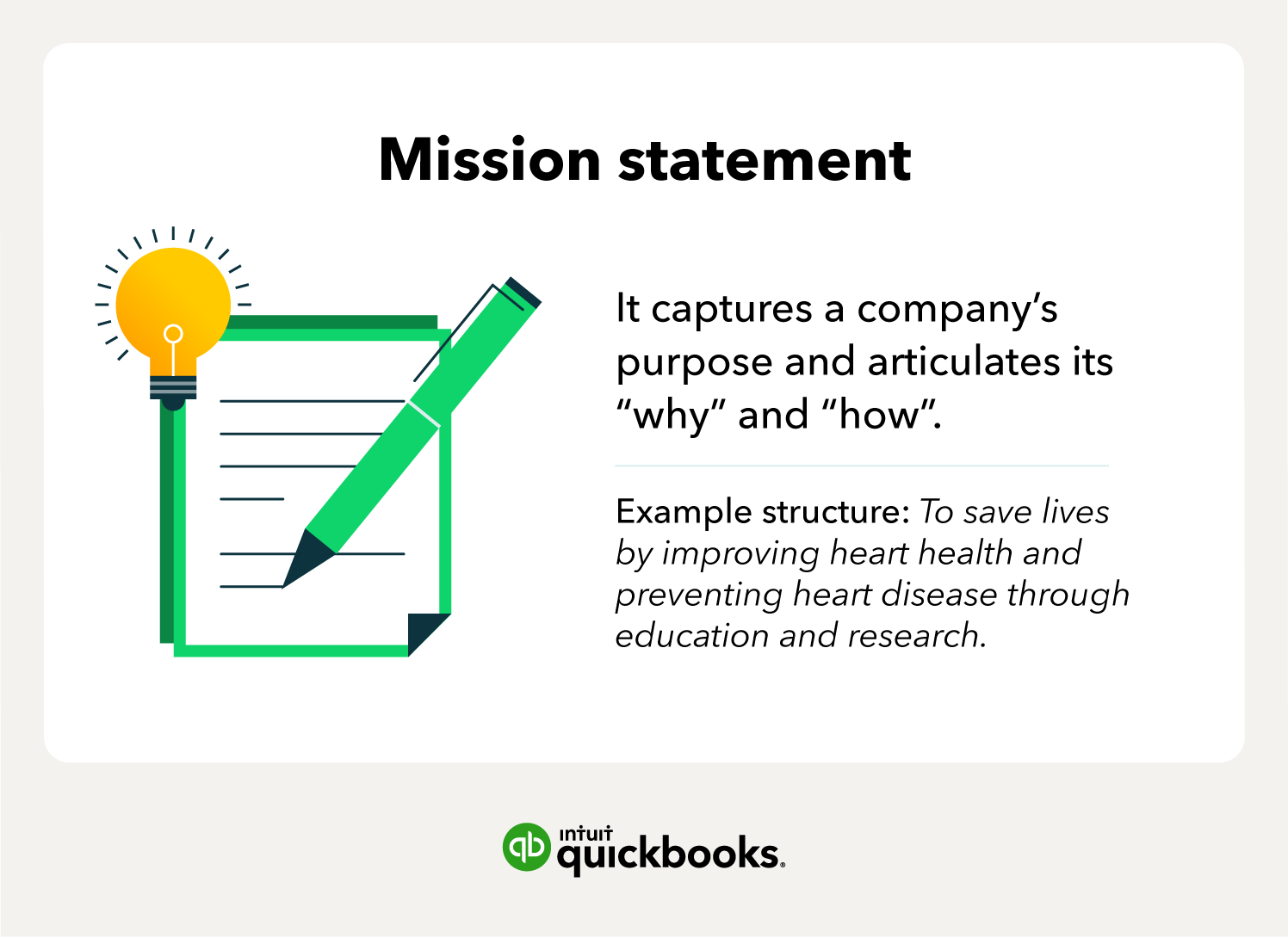
A mission statement is more than just a tagline or a phrase on your company's website. It's a carefully crafted statement that reflects your organization's values, goals, and purpose. A good mission statement can help:
- Guide decision-making and ensure everyone is working towards the same goals
- Differentiate your business from competitors
- Inspire and motivate employees to work towards a common purpose
- Build trust and loyalty with customers
- Provide a clear direction for future growth and development
Step 1: Identify Your Core Values
The first step in creating a mission statement is to identify your core values. These are the principles that guide your business and determine how you want to operate. Ask yourself:
- What are my company's core values?
- What kind of culture do I want to create?
- What kind of impact do I want to make in the market?
Write down your core values and use them as a foundation for creating your mission statement.
Step 2: Define Your Organization's Purpose
Next, define your organization's purpose. This is the reason why your business exists. It's the underlying purpose that drives your mission statement. Ask yourself:
- What problem do I solving in the market?
- What kind of value do I want to create for customers?
- What kind of difference do I want to make in the world?
Write down your purpose and use it as a guide for creating your mission statement.
Step 3: Outline Key Objectives
Outline key objectives that align with your purpose and values. These are the specific goals that you want to achieve in the short and long term. Ask yourself:
- What are my short-term goals?
- What are my long-term goals?
- How will I measure success?
Write down your key objectives and use them as a guide for creating your mission statement.
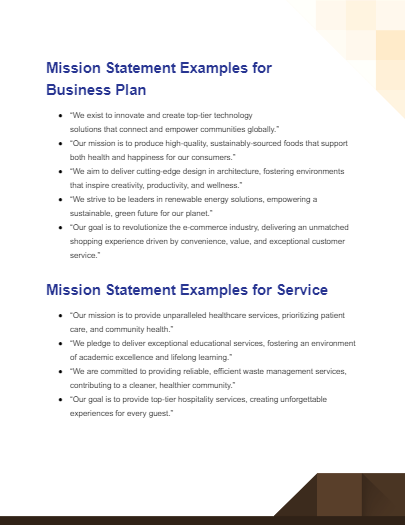
Step 4: Use Clear and Concise Language
When writing your mission statement, use clear and concise language. Avoid jargon and technical terms that might confuse your audience. Ask yourself:
- What is the most important information I want to convey?
- How can I simplify my message without losing its essence?
- How can I make my mission statement memorable and impactful?
Write down your mission statement in a way that's easy to understand and remember.
Step 5: Test and Refine
Once you have a draft of your mission statement, test it with stakeholders, including employees, customers, and partners. Ask for feedback and refine your statement based on what you learn. Ask yourself:
- Does the mission statement resonate with our stakeholders?
- Is it clear and concise?
- Does it inspire and motivate employees?
- Does it create a sense of purpose and direction?
Refine your mission statement based on the feedback you receive and make sure it meets your organization's needs.
Step 6: Make it Action-Oriented
A good mission statement is action-oriented, meaning it inspires and motivates employees to take action. Ask yourself:
- What actions should employees take to achieve our mission?
- What kind of impact do we want to make in the market?
- How can we measure success?
Make your mission statement action-oriented and ensure it inspires employees to take action.
Step 7: Make it Unique to Your Brand
A good mission statement is unique to your brand and reflects your organization's personality and values. Ask yourself:
- What sets us apart from competitors?
- What kind of values do we want to convey?
- How can we make our mission statement memorable and impactful?