Smartphone Addiction Symptoms: Understanding the Risks and Finding Solutions
In today's digital age, smartphones have become an integral part of our lives. We use them for communication, entertainment, and even for our work. However, excessive smartphone use can lead to addiction, which can have severe consequences on our mental and physical health. In this article, we will discuss the symptoms of smartphone addiction, its effects, and ways to break the addiction.What is Smartphone Addiction?
Smartphone addiction, also known as nomophobia, is a behavioral dependency characterized by an excessive and compulsive use of smartphones, often at the expense of personal, social, or professional responsibilities. According to the National Library of Medicine, 6.3% of the population is addicted to their smartphones. This addiction can lead to significant impairment in an individual's daily life, including social, occupational, and psychological domains.Symptoms of Smartphone Addiction
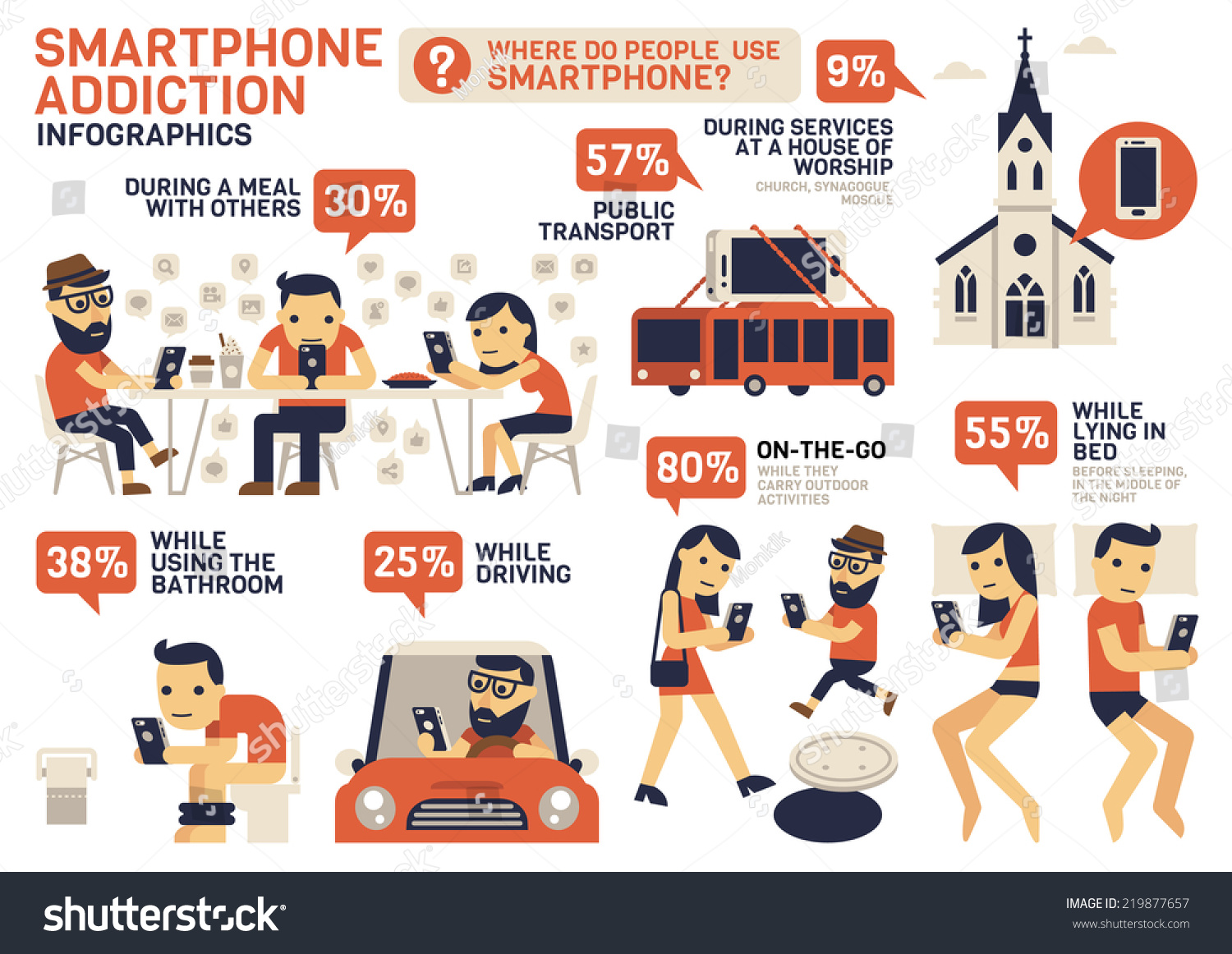
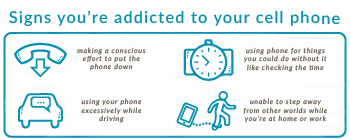
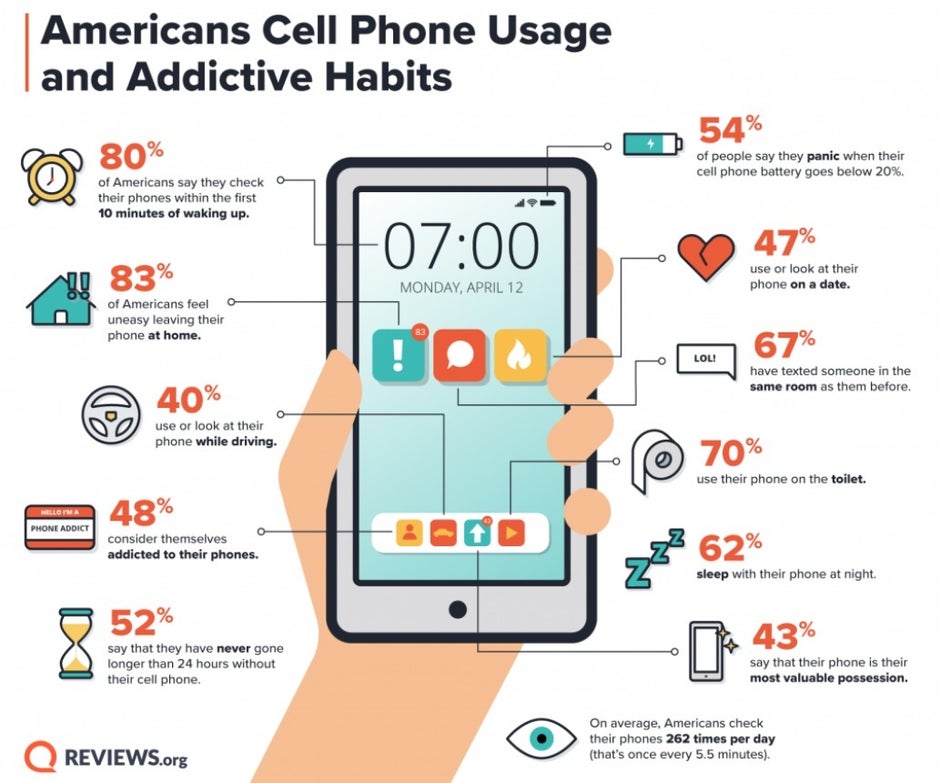
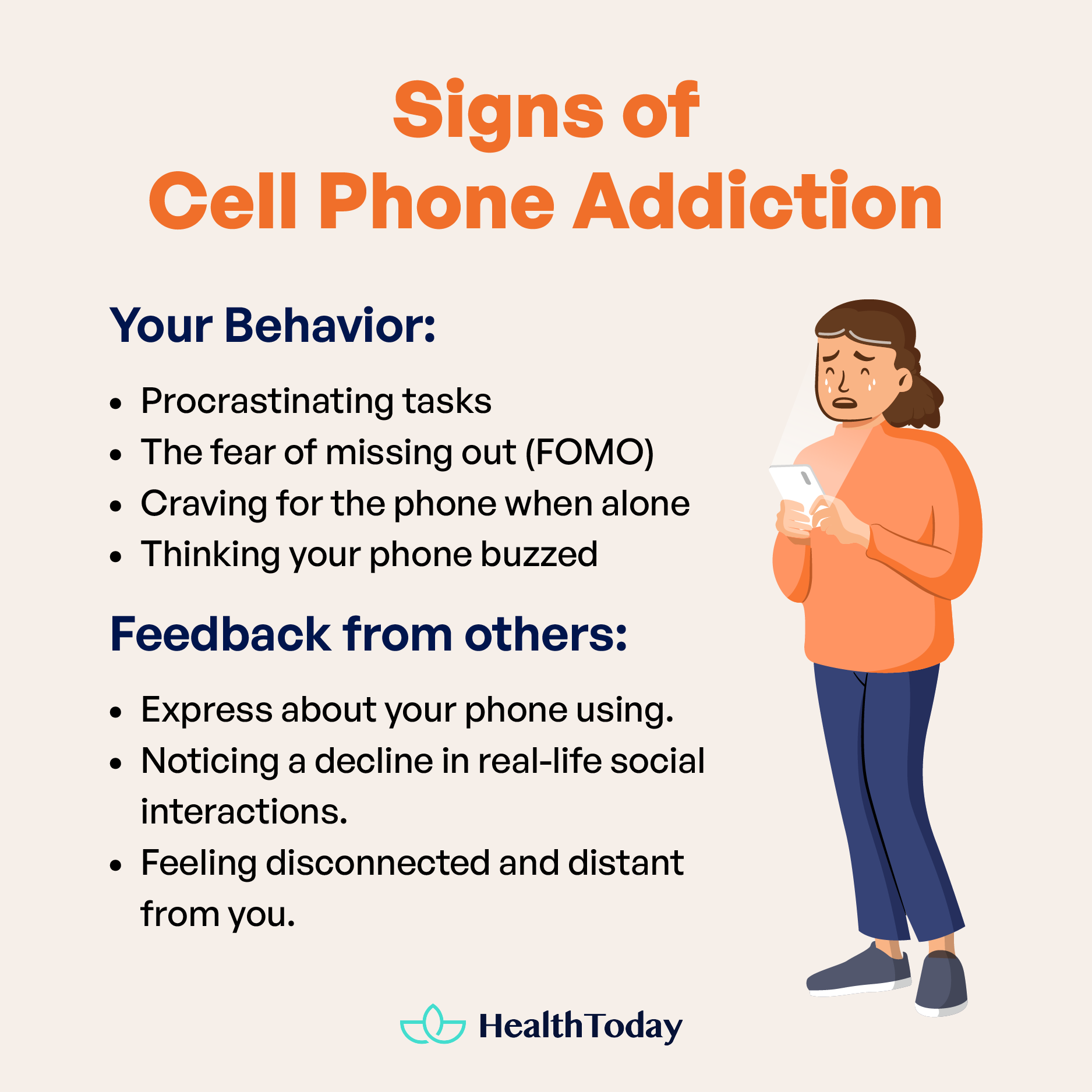
The symptoms of smartphone addiction can be sneaky and may go unnoticed by the individual. Some common symptoms include:- Excessive smartphone use: Spending an inordinate amount of time on your smartphone, even when it's not necessary.
- Withdrawal symptoms: Feeling anxious, restless, or irritable when you're unable to check your phone.
- Escape from reality: Using your smartphone as a way to escape from stress, anxiety, or other negative emotions.
- Changes in sleep patterns: Using your smartphone before bed, which can lead to sleep deprivation and other sleep-related problems.
- Slowed cognitive function: Difficulty paying attention, making decisions, or completing tasks due to excessive smartphone use.
- Risk-taking behavior: Sending compromising photos, using dating apps, or engaging in other behaviors that can put you at risk.
- Neglect of responsibilities: Prioritizing smartphone use over work, school, or family responsibilities.
- Physical symptoms: Headaches, eye strain, and other physical symptoms associated with excessive smartphone use.
Effects of Smartphone Addiction
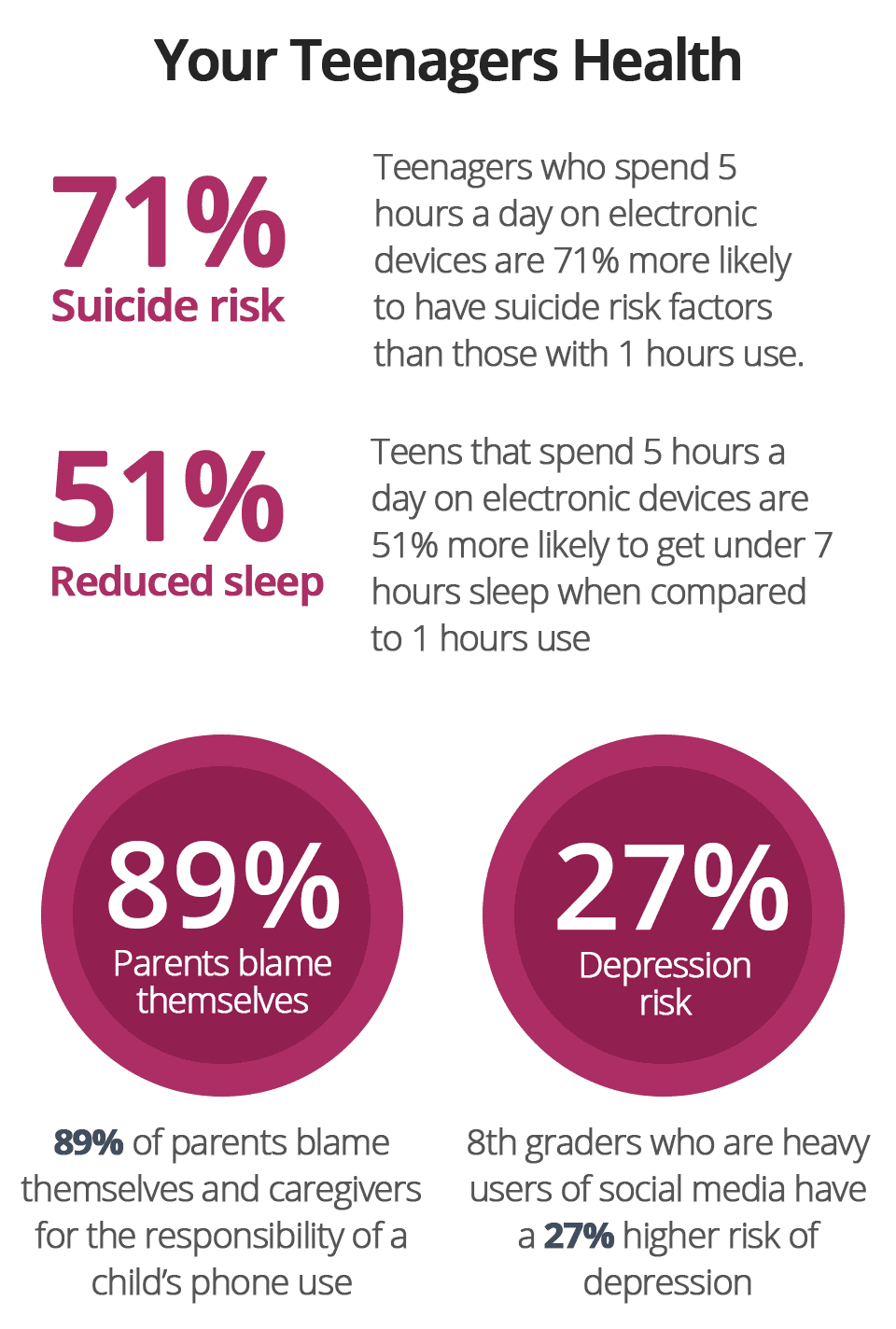
- Decreased attention span: Excessive smartphone use can lead to a decrease in attention span and difficulty focusing on tasks.
- Mental health issues: Smartphone addiction can contribute to anxiety, depression, and other mental health problems.
- Sleep deprivation: Using smartphones before bed can lead to sleep deprivation and other sleep-related problems.
- Social isolation: Excessive smartphone use can lead to social isolation and withdrawal from social interactions.
- Physical health problems: Smartphone addiction can contribute to eye strain, headaches, and other physical symptoms.
Breaking the Addiction
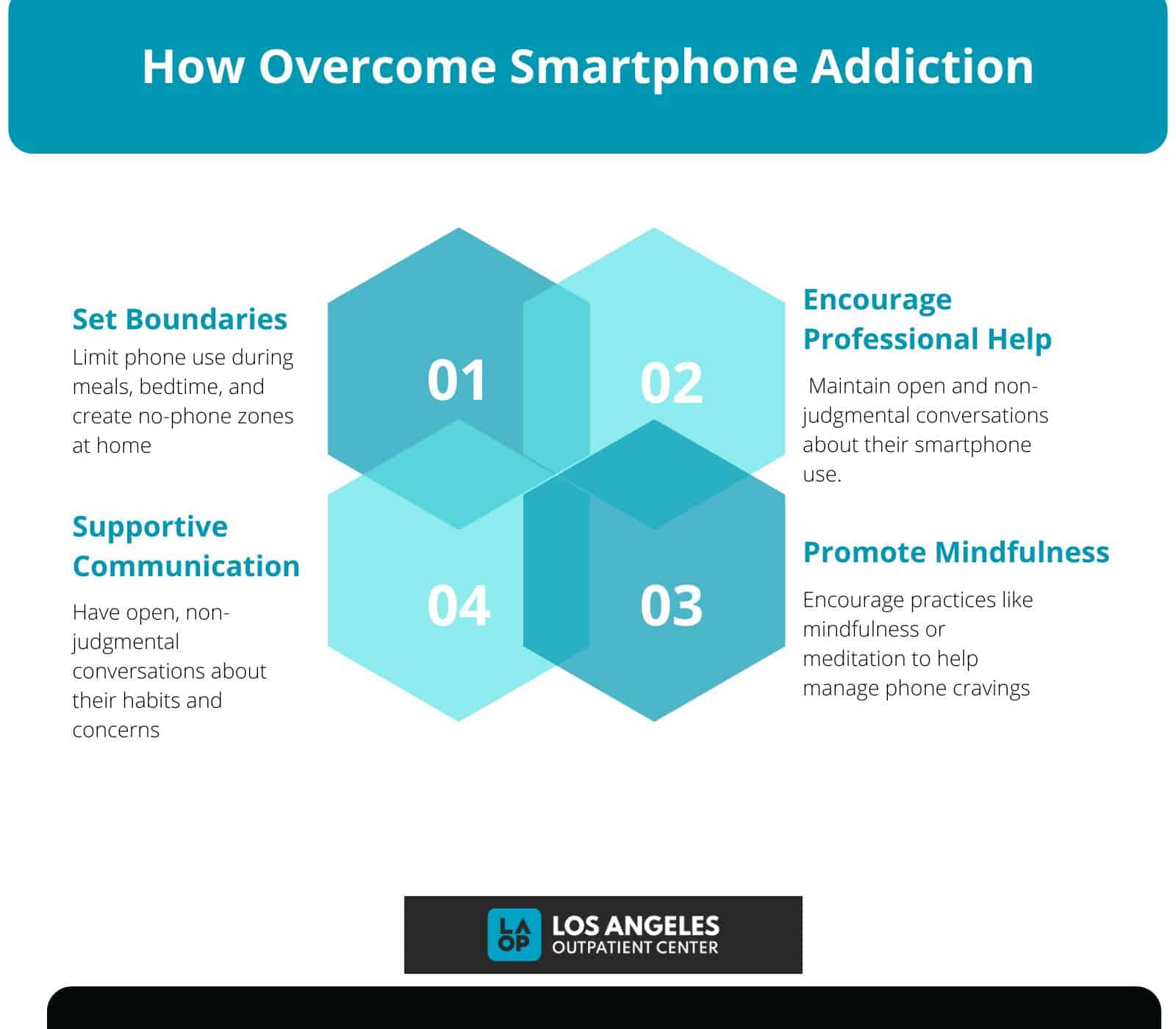
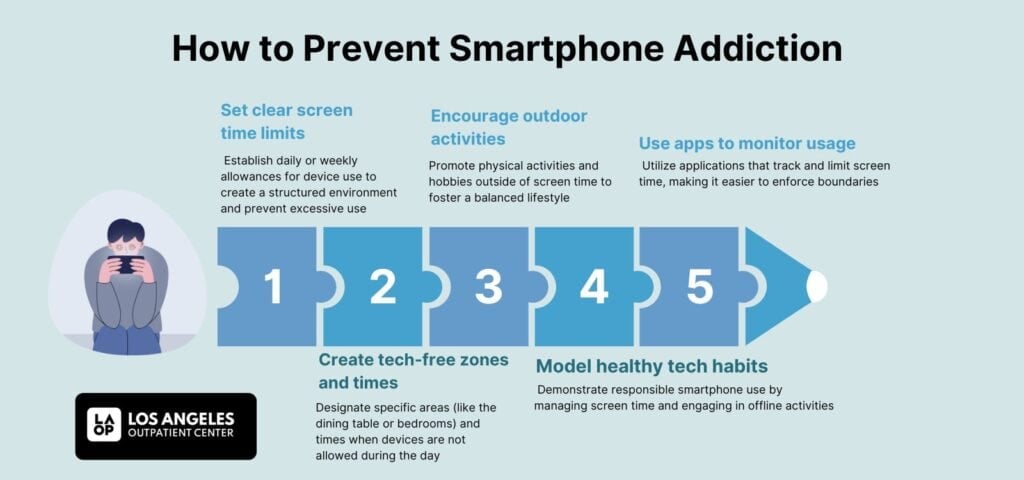
Breaking the addiction to smartphones requires a combination of self-awareness, strategic planning, and support. Here are some strategies to help you overcome smartphone addiction:- Set boundaries: Establishing limits on your smartphone use, such as not using your phone during meals or before bed.
- Use apps to track and limit use: Utilizing apps that track and limit smartphone use, such as Freedom or SelfControl.
- Find alternative activities: Engaging in alternative activities, such as reading, exercise, or spending time with friends and family.
- Seek support: Joining a support group or seeking help from a therapist or counselor to overcome smartphone addiction.
- Practice mindfulness: Being more mindful of your smartphone use and making conscious choices about when and how you use your phone.