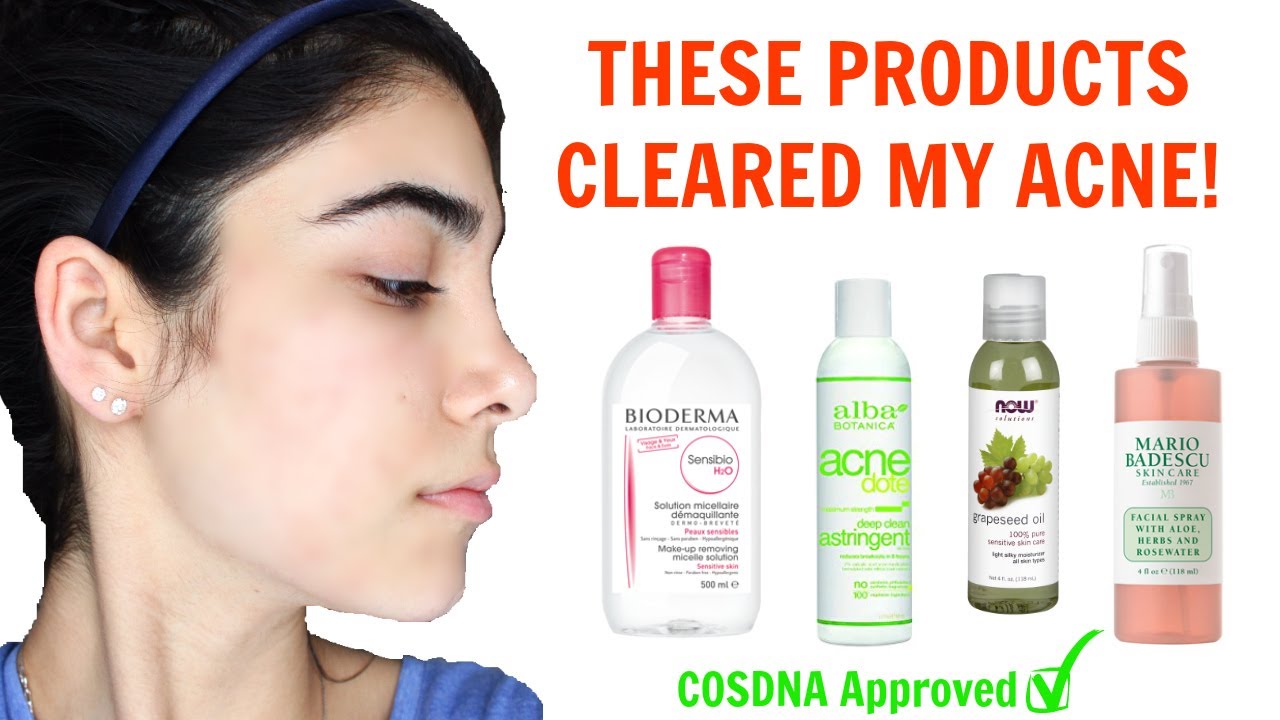
The Ultimate Guide to Creating a Skincare Routine for Acne
Are you tired of dealing with acne-prone skin? Do you want to find a skincare routine that will help you achieve clear, healthy skin? Look no further! In this article, we will provide you with a comprehensive guide on how to create a skincare routine for acne-prone skin.
Understanding Acne-Prone Skin
Acne-prone skin is a common skin condition that affects millions of people worldwide. It is characterized by clogged pores, blackheads, whiteheads, and inflammatory acne. Acne can be caused by a combination of factors, including genetics, hormonal imbalances, stress, and poor skincare habits.
The Importance of a Consistent Skincare Routine
A consistent skincare routine is essential for maintaining healthy, acne-free skin. A good skincare routine can help to prevent breakouts, reduce inflammation, and improve skin texture. It can also help to reduce the appearance of scars and hyperpigmentation.
Key Ingredients for Acne-Prone Skin
When it comes to skincare for acne-prone skin, there are several key ingredients that you should look for. These include:
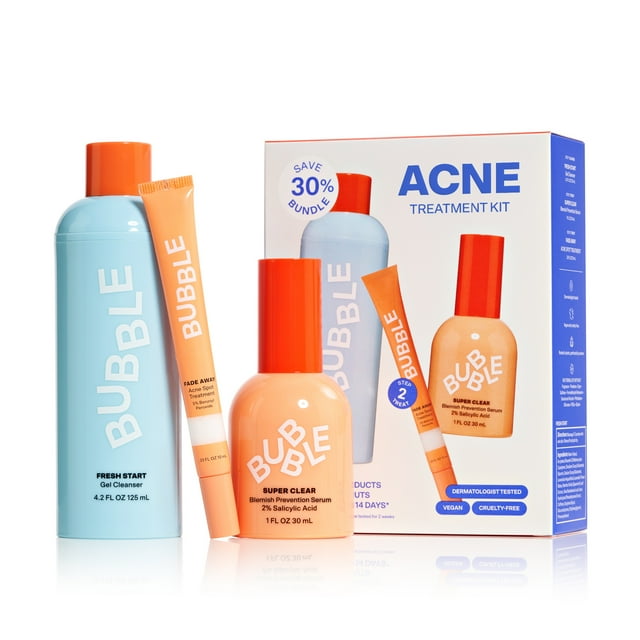
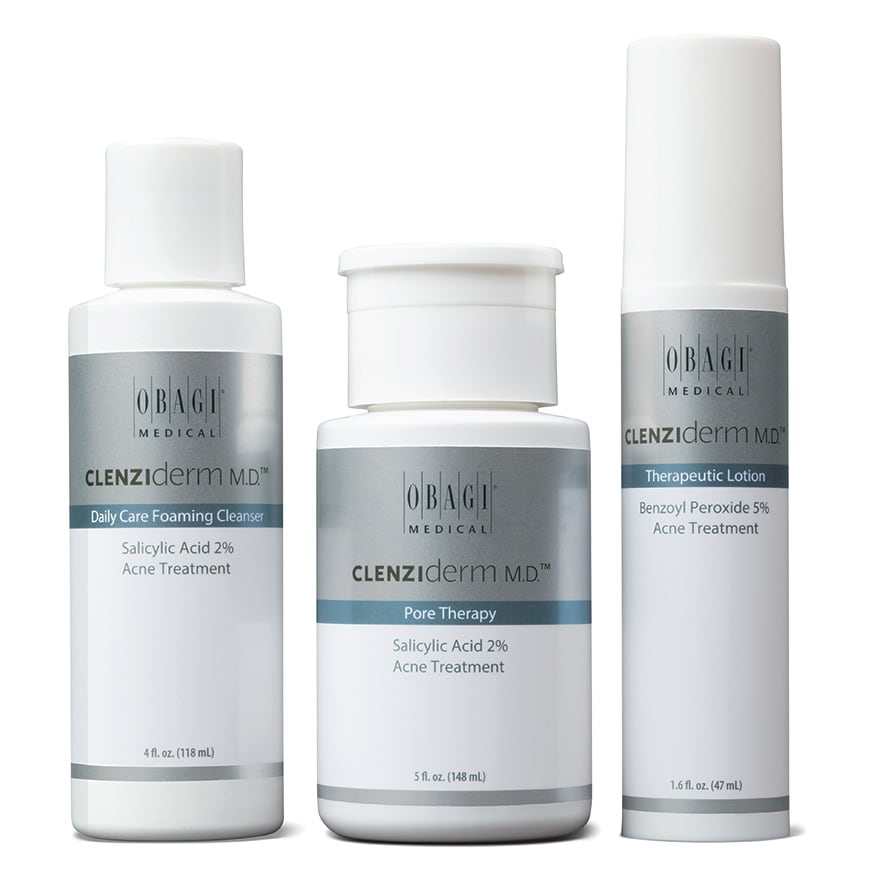
- Salicylic acid: This beta hydroxy acid helps to exfoliate the skin, unclog pores, and reduce inflammation.
- Benzoyl peroxide: This ingredient helps to kill bacteria that can cause acne, reduce inflammation, and dry out pimples.
- Niacinamide: This ingredient helps to improve skin elasticity, reduce inflammation, and improve skin hyperpigmentation.
- Retinoids: These derivatives of vitamin A help to reduce the appearance of fine lines and wrinkles, improve skin texture, and reduce acne.
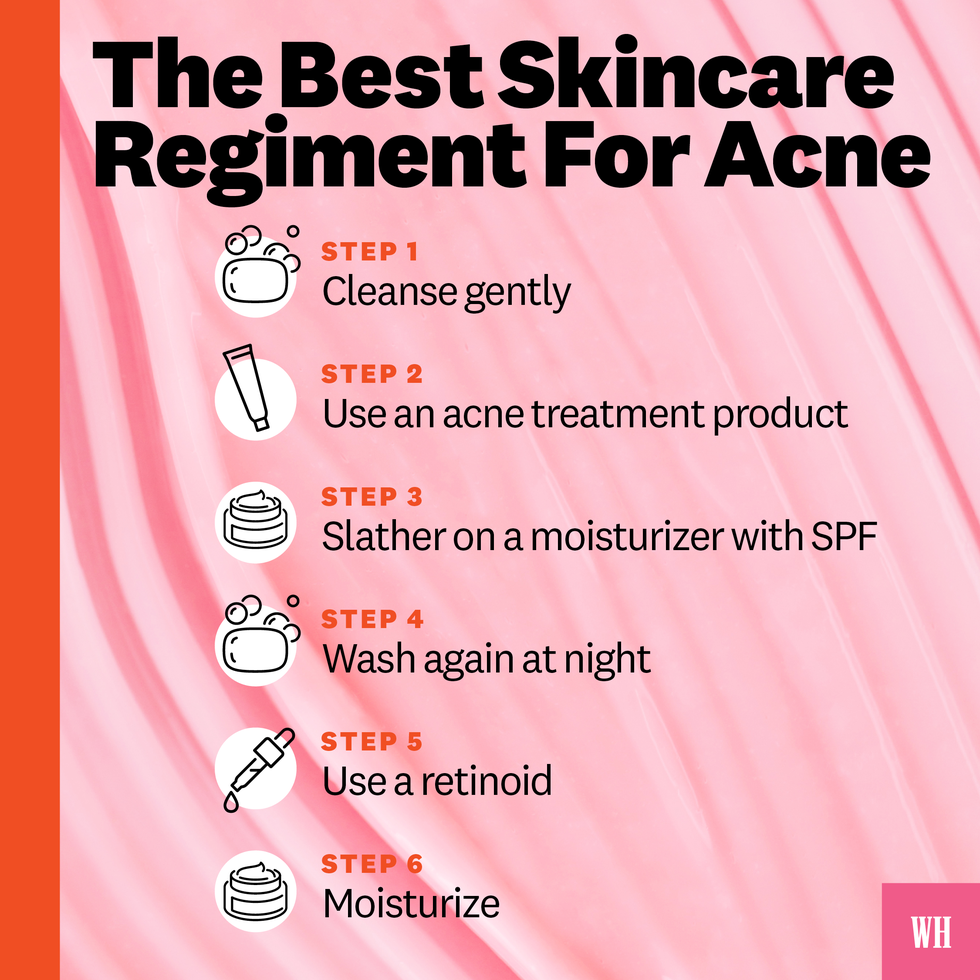
The 6-Step Skincare Routine for Acne-Prone Skin
A good skincare routine for acne-prone skin should include the following steps:
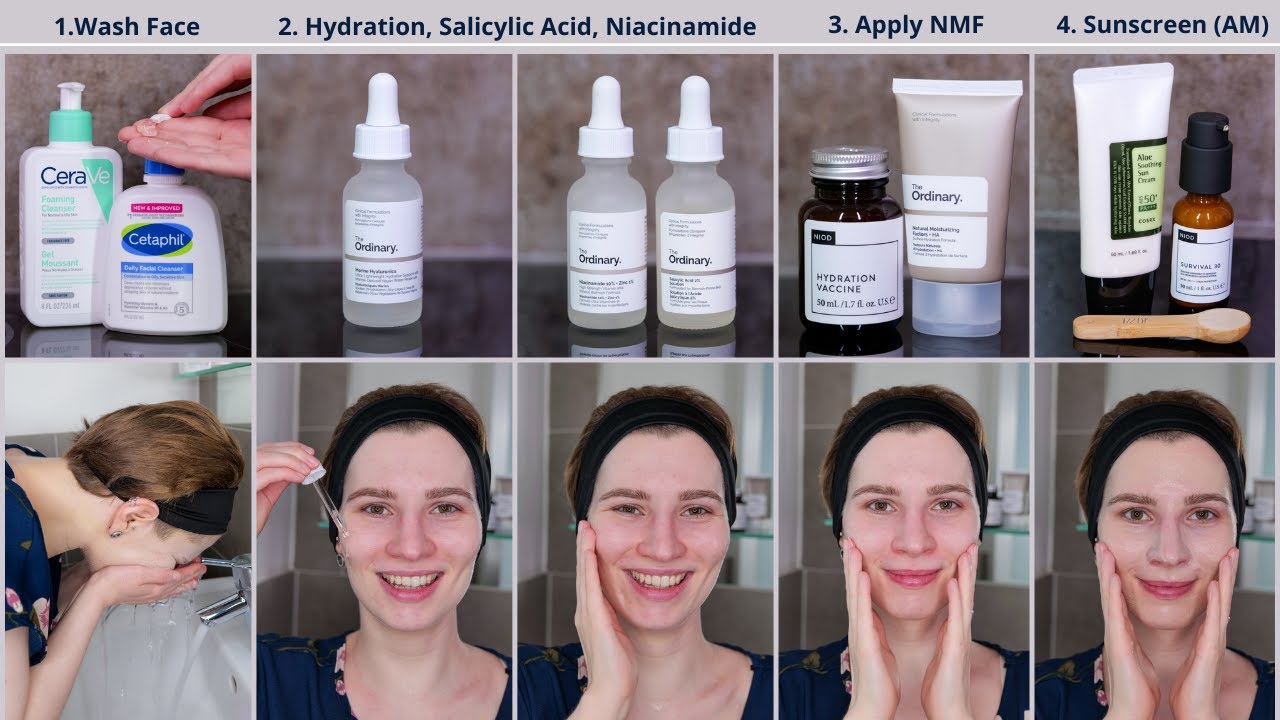
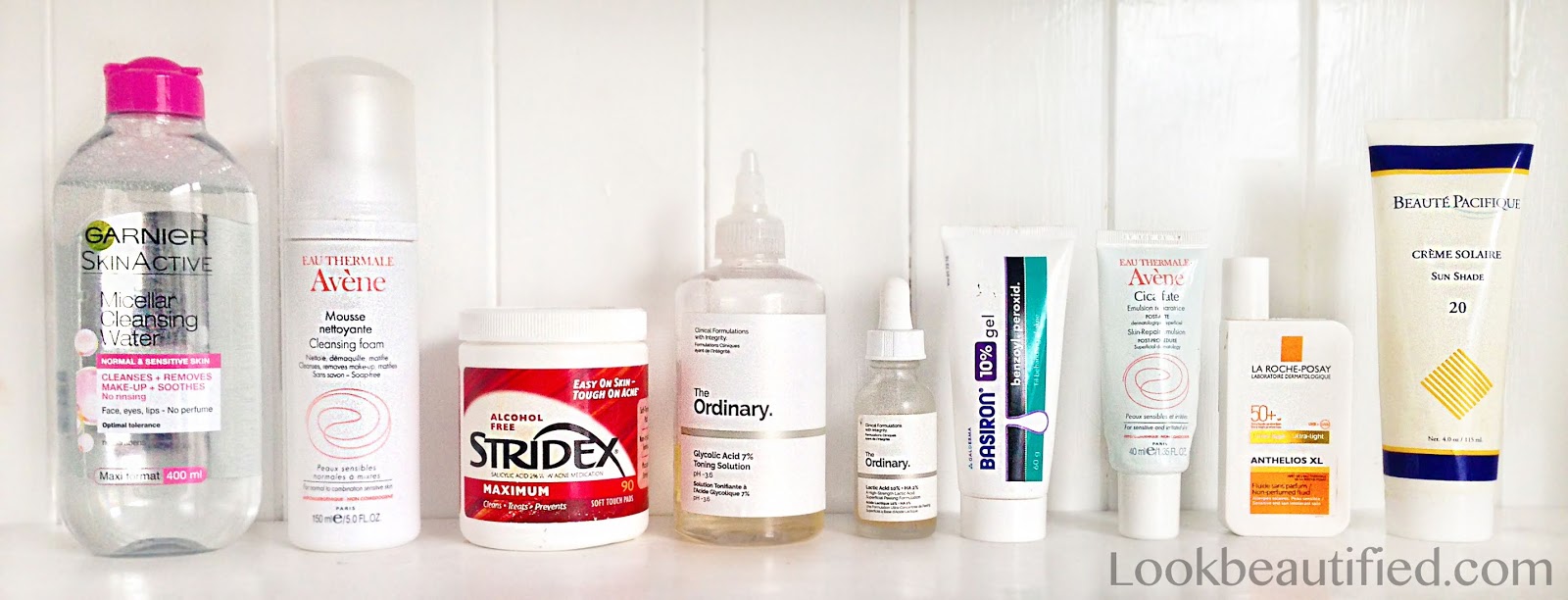
- Cleansing: Use a gentle, non-comedogenic cleanser that is formulated for acne-prone skin.
- Toning: Use a toner that helps to balance the skin's pH and reduce the appearance of pores.
- Use a topical treatment that contains salicylic acid, benzoyl peroxide, or retinoids to help to kill bacteria, reduce inflammation, and prevent breakouts.
- Moisturizing: Use a lightweight, oil-free moisturizer that is formulated for acne-prone skin.
- Sun protection: Use a broad-spectrum sunscreen with an SPF of at least 30 to protect the skin from UV rays.
- Exfoliating: Use a chemical exfoliant or a physical exfoliant that is formulated for acne-prone skin to help to remove dead skin cells and unclog pores.
Additional Tips for Acne-Prone Skin
Here are some additional tips that you can follow to help to reduce acne and improve skin health:
- Keep your hands away from your face to prevent transferring bacteria and oils from your hands to your face.
- Wash your face twice a day with a gentle cleanser.
- Use a non-comedogenic moisturizer that is formulated for acne-prone skin.
- Avoid picking or popping pimples, as this can lead to scarring and infection.
- Get enough sleep and reduce stress, as these can contribute to acne.
Conclusion
A good skincare routine is essential for maintaining healthy, acne-free skin. By following the 6-step skincare routine for acne-prone skin outlined above and incorporating the key ingredients mentioned, you can help to prevent breakouts, reduce inflammation, and improve skin texture. Remember to be patient and consistent, as it may take some time to see results. With the right skincare routine and a few simple lifestyle changes, you can say goodbye to acne and hello to clear, healthy skin!