Theories About Gadget Addiction: Understanding the Plight of Modern Society
Excessive use of smartphones and other gadgets has become a pervasive issue in modern society, resulting in a range of negative consequences for individuals. Theories about gadget addiction aim to explain this phenomenon and provide insights into the effects of excessive technology use on human behavior.
What is Gadget Addiction?
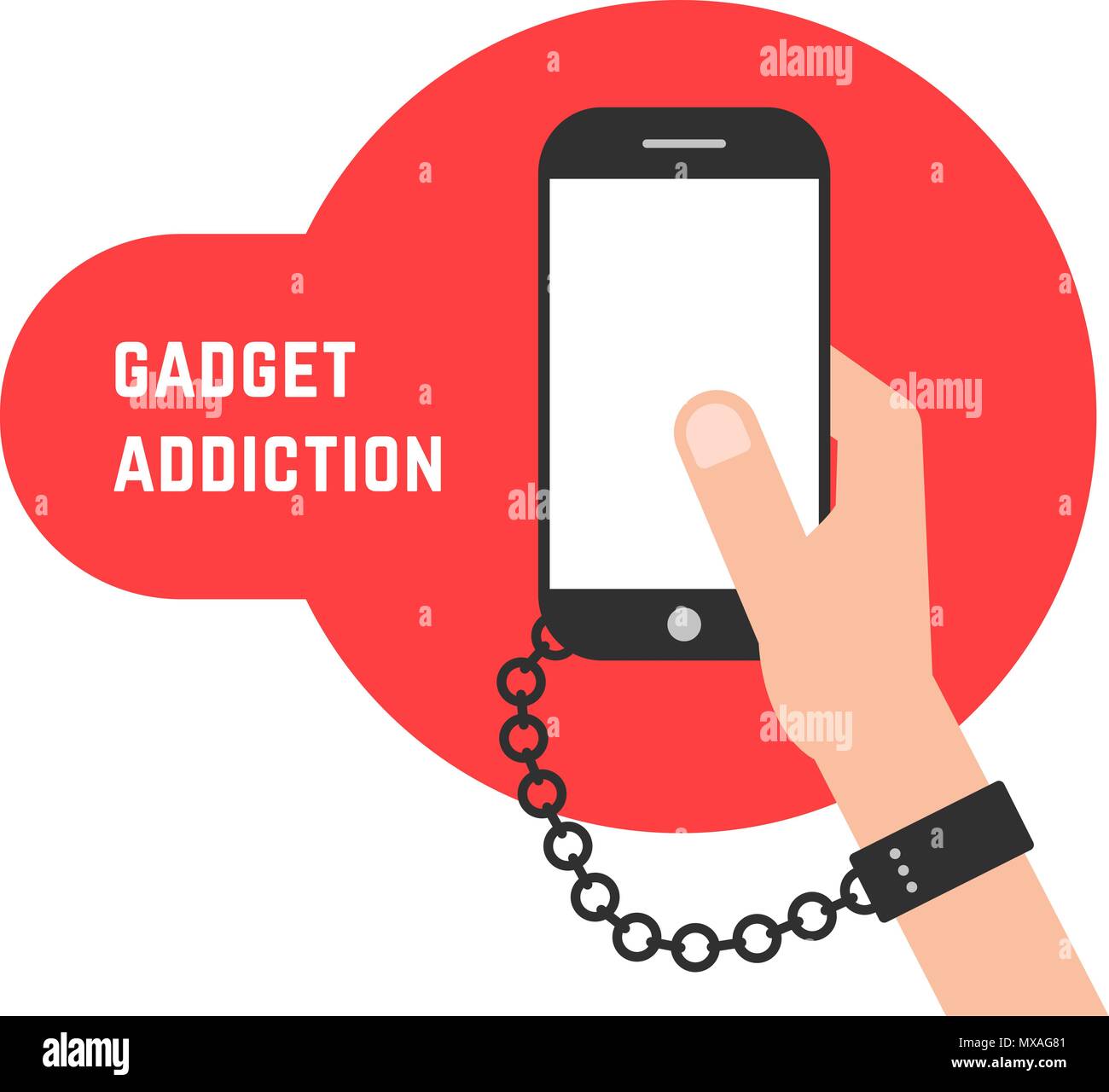
Gadget addiction refers to a dependence or addiction experienced by individuals to electronic devices or devices with special functions. When individuals are addicted to gadgets, they may feel anxious or irritable when separated from their devices, leading to a loss of control and negative consequences.
Learning Theories and Gadget Addiction
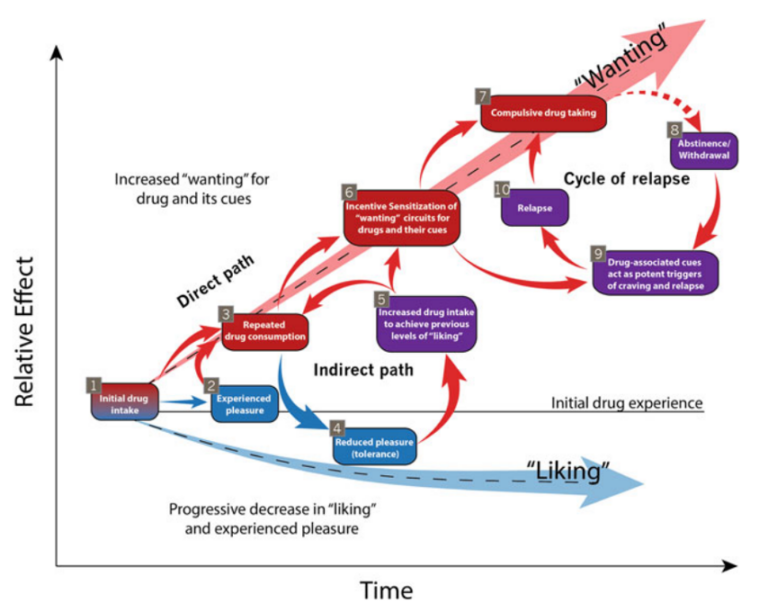
Learning theories propose that gadget addiction is a result of repeated exposure to pleasurable behaviors, leading to a loss of control and negative consequences. This is similar to the concept of behavioral addiction, where individuals develop a dependence on a behavior despite its negative consequences. Learning theories suggest that gadget addiction can be explained by the use of rewards and reinforcement, leading to a gradual increase in usage.
The Cognitive-Behavioral Model of Addiction
The cognitive-behavioral model of addiction proposes that gadget addiction results from negative thought patterns and behaviors. According to this model, individuals with gadget addiction will experience negative emotions and thoughts when they are unable to access their devices, leading to a cycle of craving and use.
Digital Addiction and Mental Health
Digital addiction has been linked to a range of negative outcomes, including anxiety, depression, and impulsivity. Studies have also shown that excessive gadget use can lead to cognitive impairment and decreased mental well-being. Furthermore, the absence of smartphone use has been shown to induce increased anxiety and sadness in adolescents.
Theories and Concepts Explaining Gadget Addiction
- Davis' Cognitive-Behavioral Model: Davis' model suggests that gadget addiction results from negative thoughts and behaviors, leading to a cycle of craving and use.
- Griffiths' Definition of Addiction: Griffiths defines addiction as a subset of behavioral addiction, relating it to human-machine interaction.
- Salience Detection Theory: Salience detection theory proposes that individuals are more likely to engage in behaviors that are rewarding and pleasurable, leading to a gradual increase in usage.
- McKewn's Three Learning Theories: McKewn's three learning theories propose that learning occurs through classical conditioning, operant conditioning, and observational learning.
- Internet-Related Tolerance: Internet-related tolerance refers to the increased need for internet use to experience the same level of enjoyment.
- Internet-Related Withdrawal: Internet-related withdrawal refers to the experience of withdrawal symptoms when individuals are unable to access their devices.
Prevalence of Gadget Addiction
Studies have shown that gadget addiction is a significant issue among both children and adults. A study published in the Journal of Addiction found that 74% of children aged 6-10 years old exhibited symptoms of gadget addiction. Furthermore, a study published in the Journal of Mental Health found that 40% of adults experienced symptoms of gadget addiction.
Conclusion
Theories about gadget addiction aim to explain the negative consequences of excessive technology use and provide insights into the effects of gadget addiction on human behavior. Understanding these theories can help individuals and society as a whole to develop strategies to mitigate the effects of gadget addiction and promote healthy technology use.