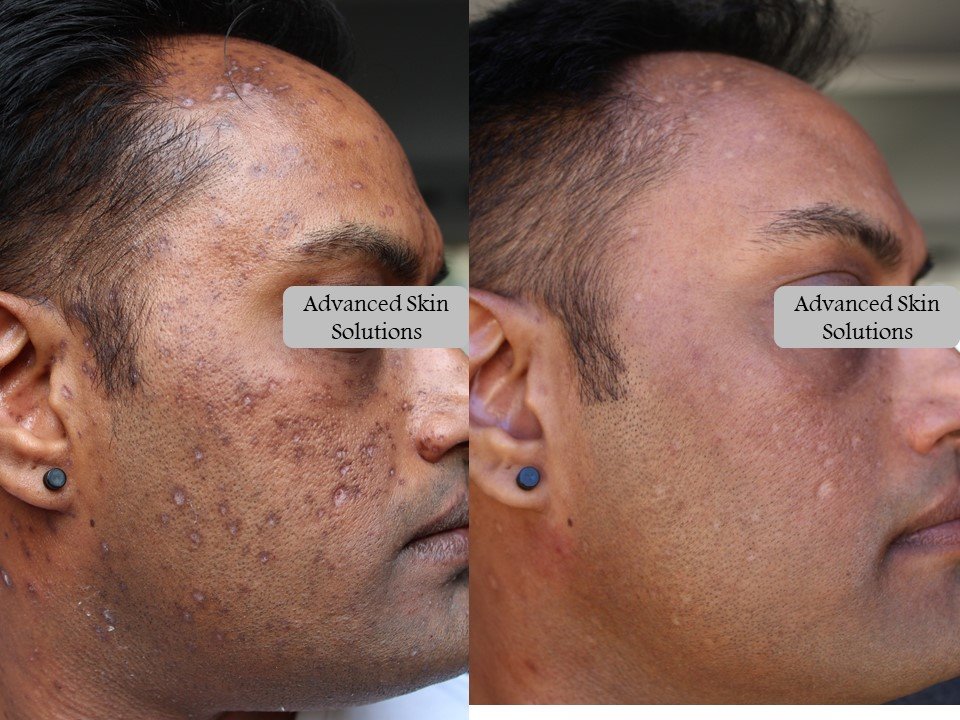
Acne Treatment for Hyperpigmentation Scars: A Comprehensive Guide
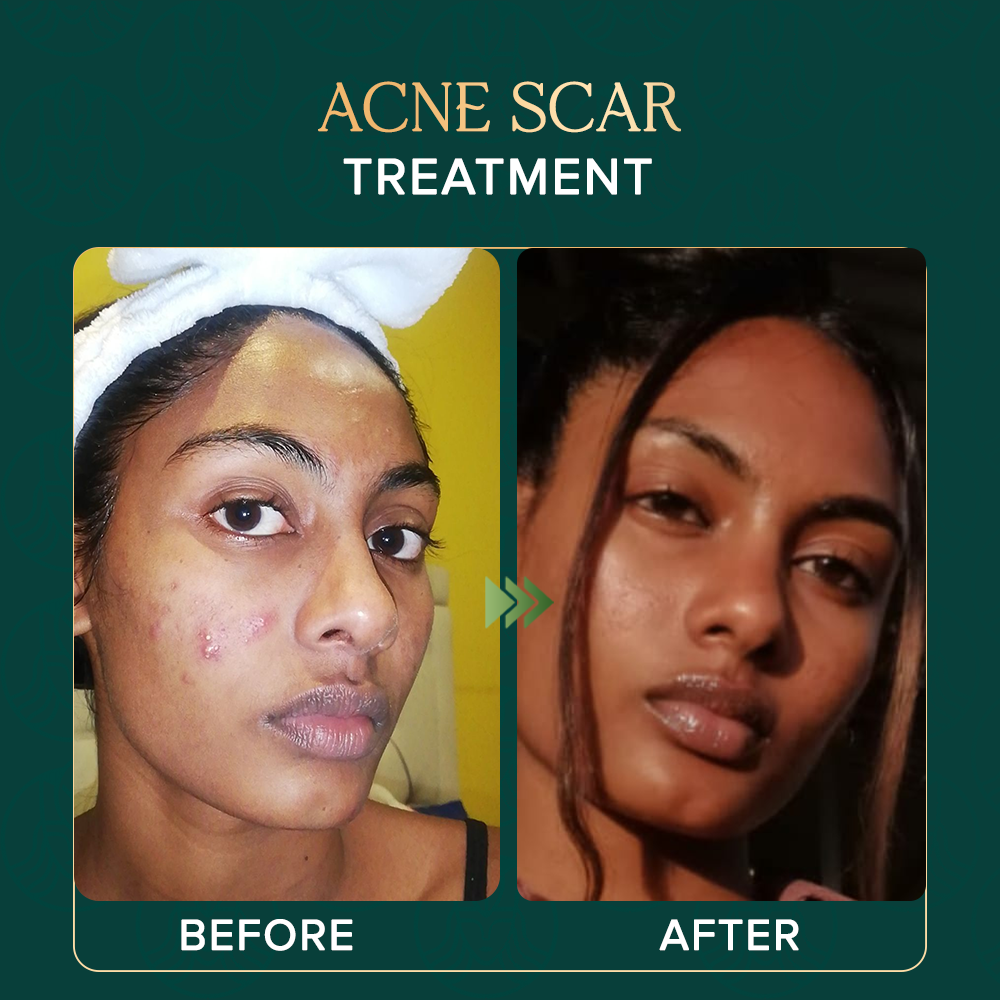
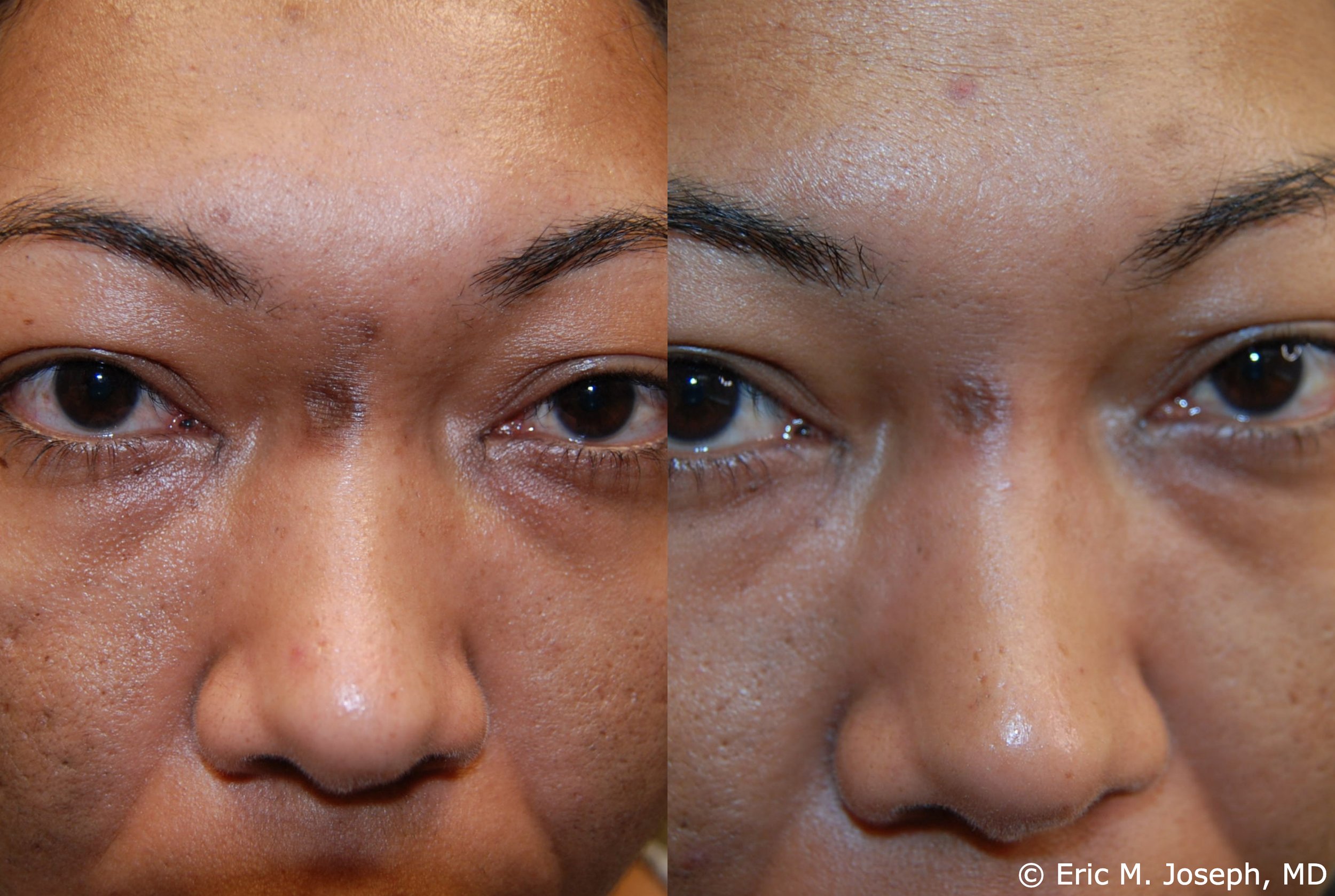
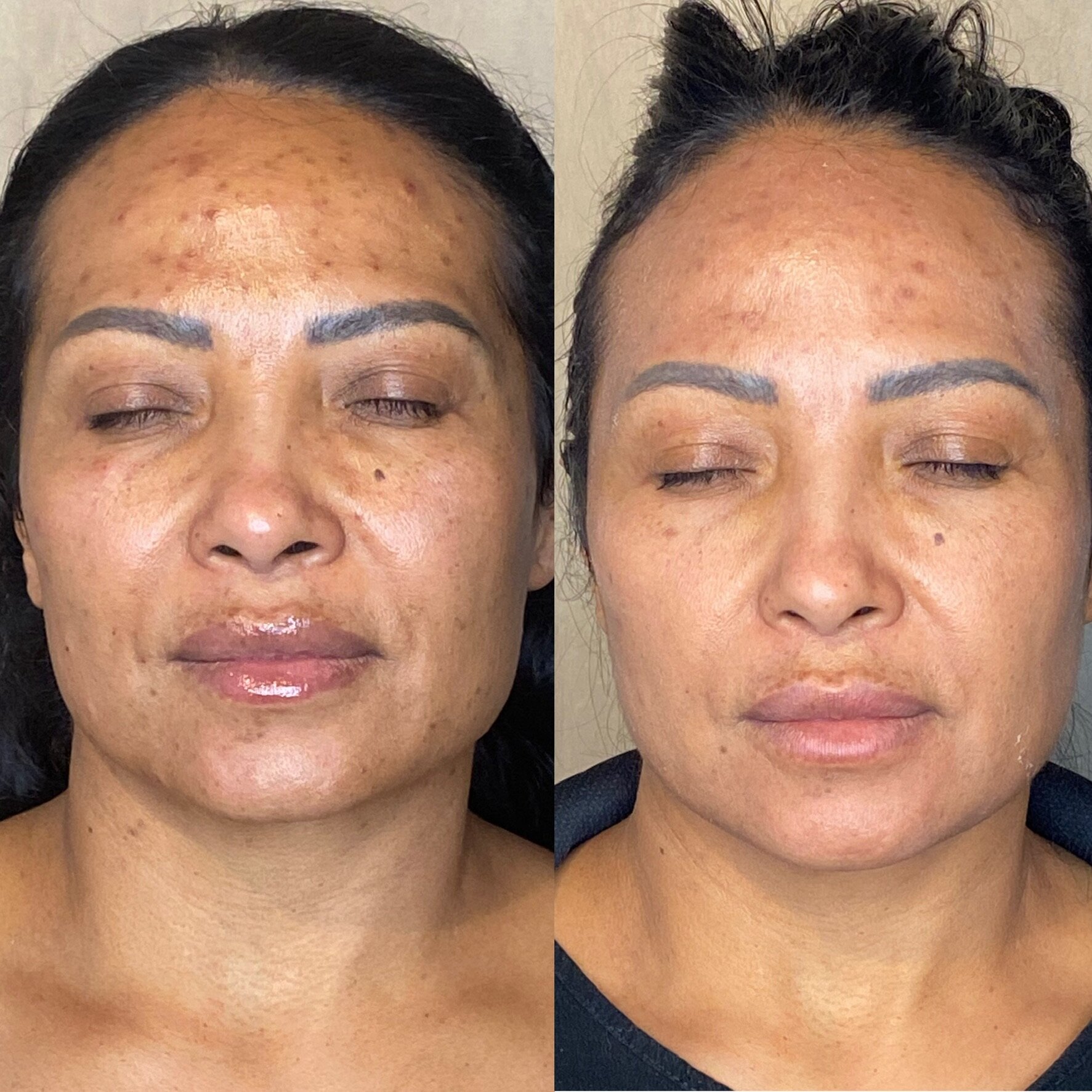
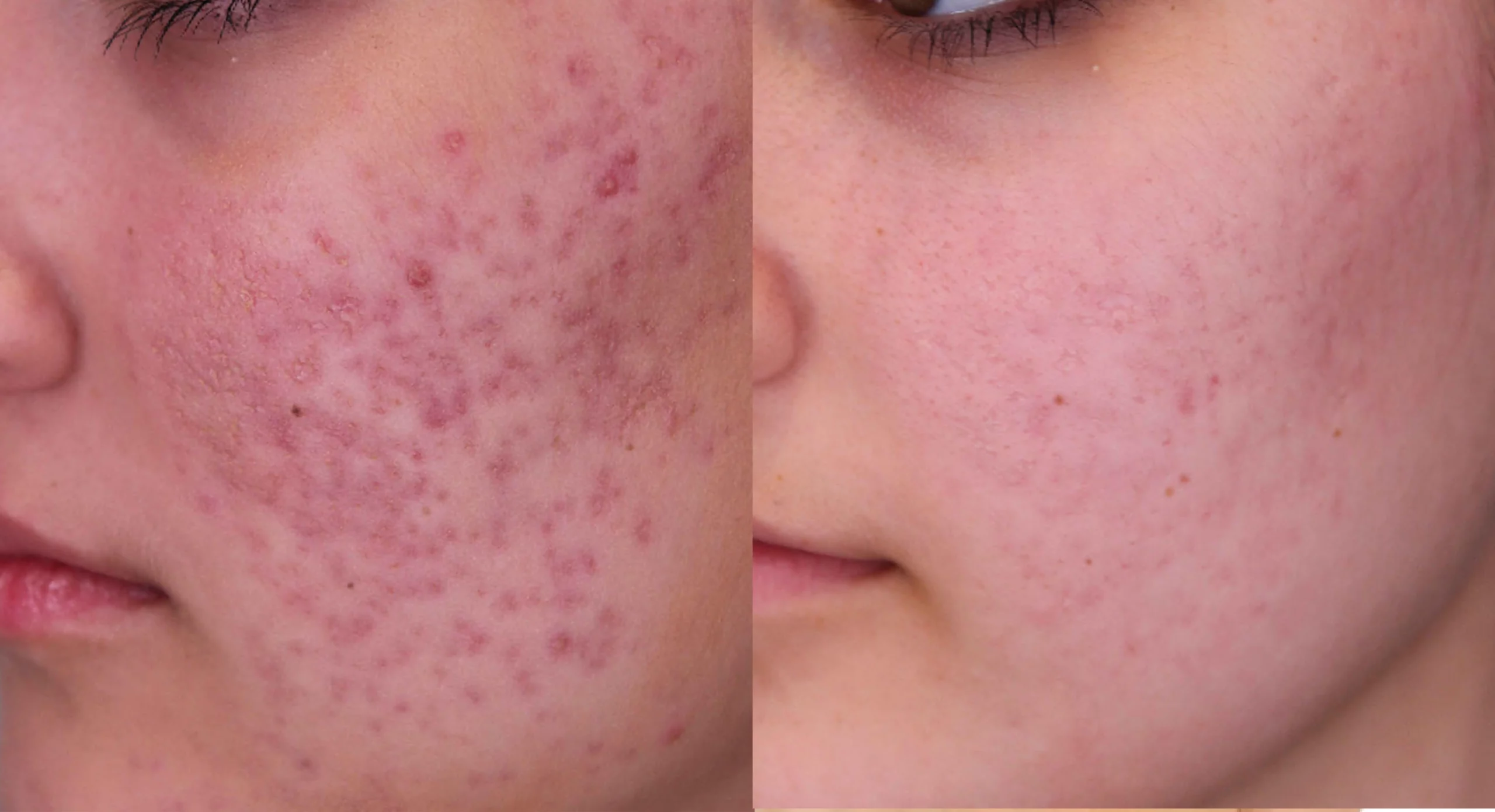
Acne-related hyperpigmentation occurs when dark patches develop in place of blemishes. This condition can be frustrating and challenging to treat, but fortunately, there are many effective treatments available. In this article, we will explore the causes of acne-related hyperpigmentation, its symptoms, and various treatment options, including at-home and in-office treatments.
Understanding Acne-Related Hyperpigmentation
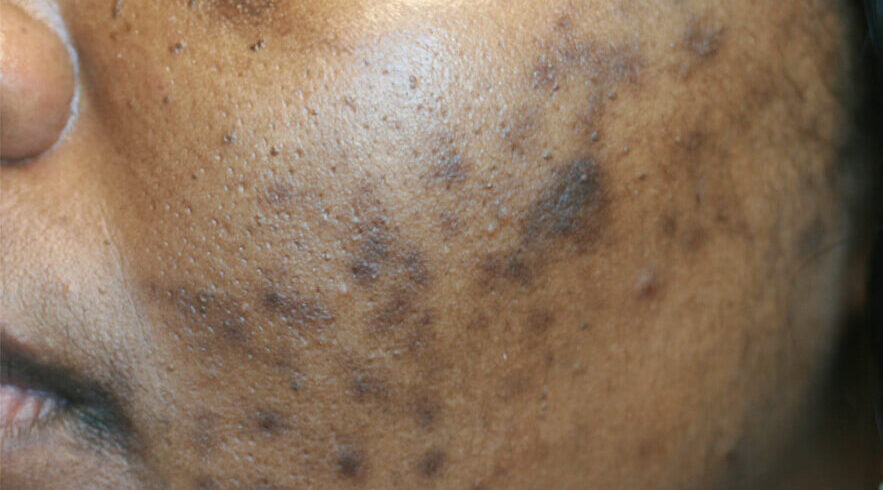
Acne-related hyperpigmentation happens when the skin heals improperly after a break out, leading to dark spots or patches on the skin's surface. This condition can be caused by various factors, including genetics, hormonal imbalances, and poor skincare routine.
Causes of Acne-Related Hyperpigmentation
- Genetics: If your parents have a history of acne-related hyperpigmentation, you are more likely to experience this condition.
- Hormonal imbalances: Fluctuations in hormone levels, particularly in women, can lead to acne-related hyperpigmentation.
- Poor skincare routine: Not following a consistent skincare routine or using the wrong products can exacerbate acne-related hyperpigmentation.
Symptoms of Acne-Related Hyperpigmentation
Acne-related hyperpigmentation can manifest in different ways, including:
- Dark spots or patches on the skin's surface
- Flat, even-toned spots that are darker than the surrounding skin
- Red or purple discoloration around the affected area
At-Home Treatments for Acne-Related Hyperpigmentation
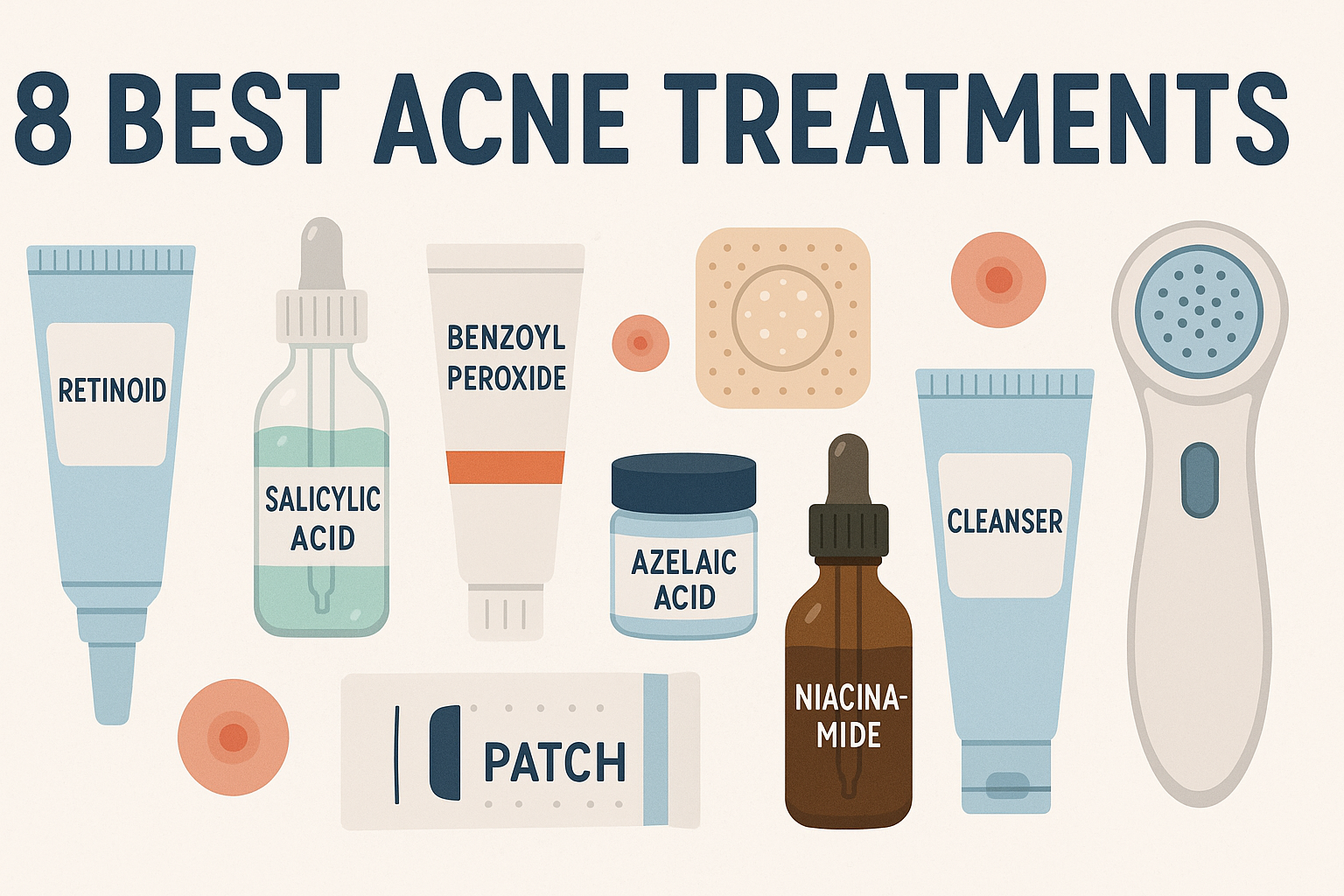
There are several at-home treatments you can try to help reduce acne-related hyperpigmentation, including:

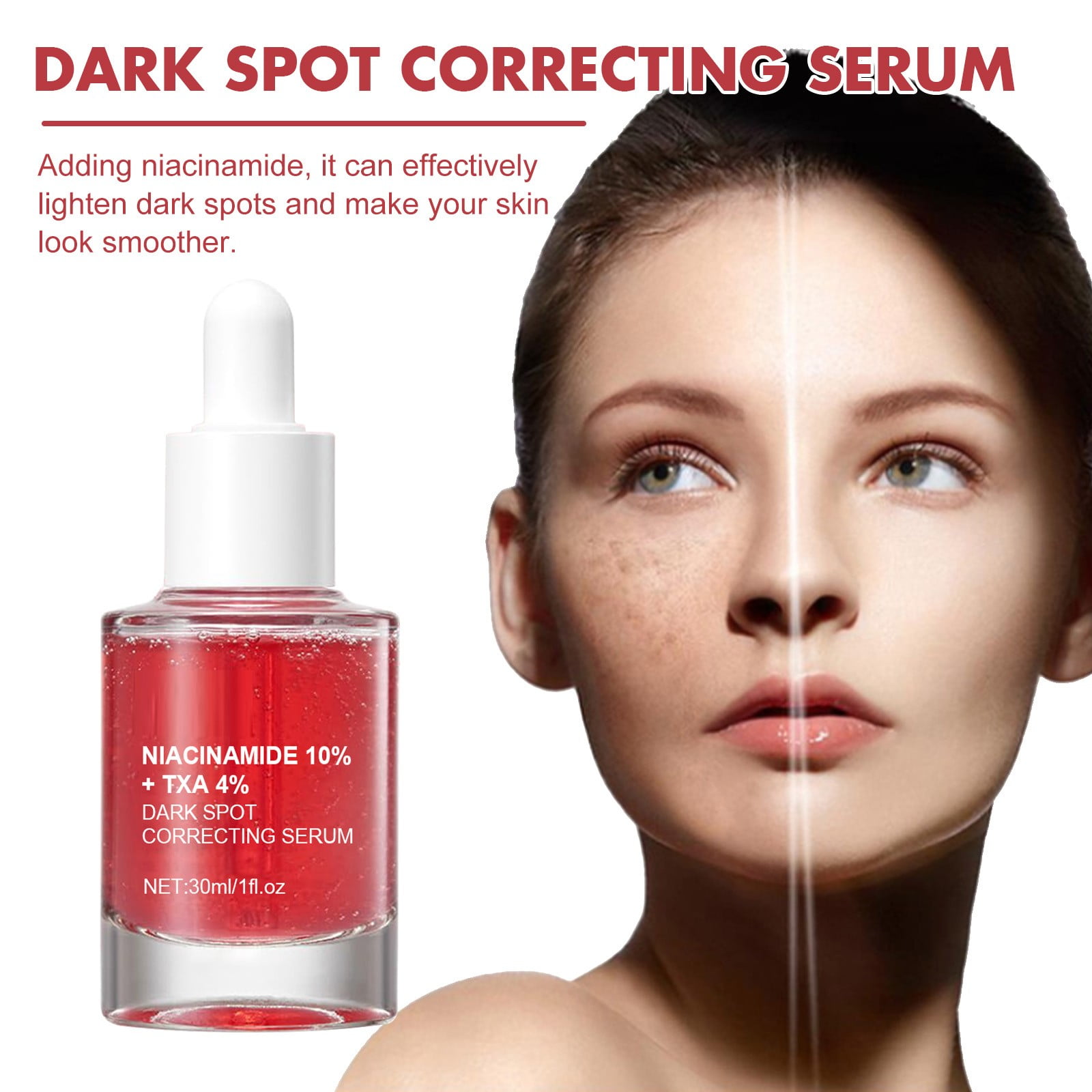
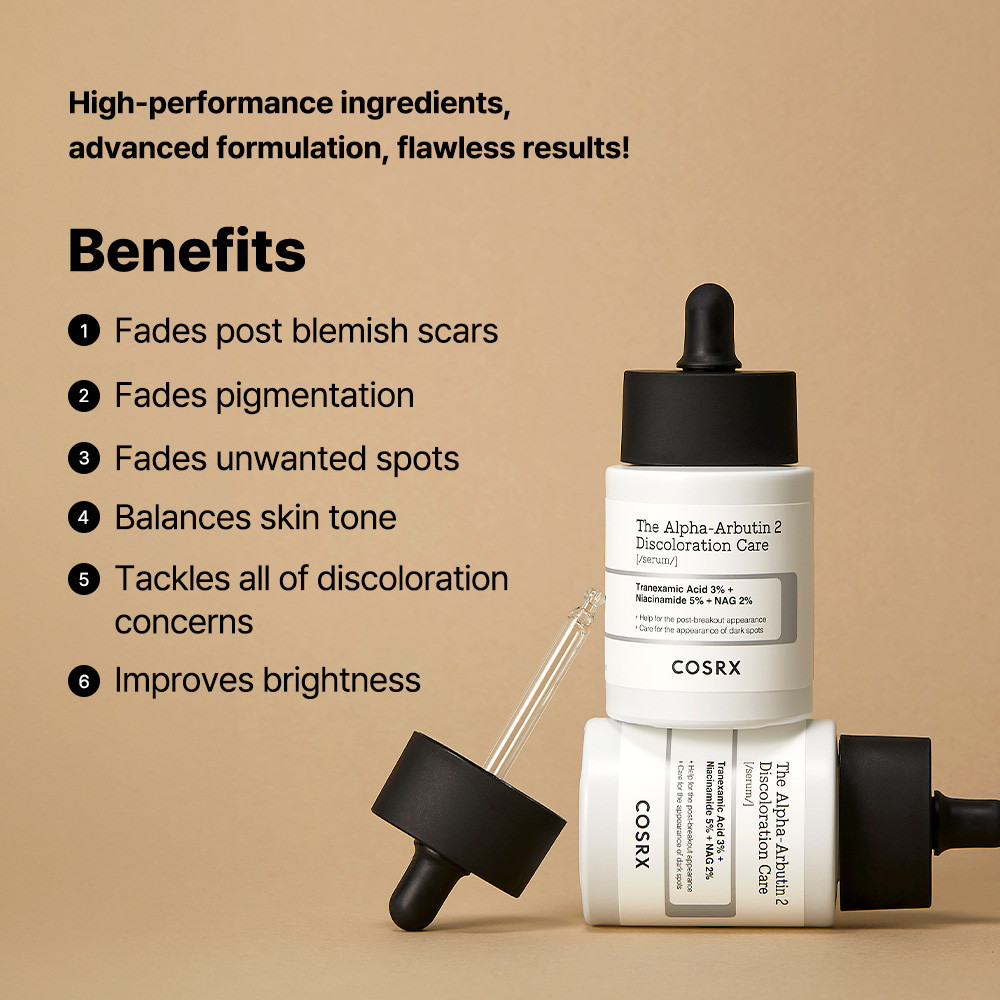
- Topical creams and serums containing alpha-hydroxy acids (AHAs), beta-hydroxy acids (BHAs), and retinoids
- Exfoliating scrubs and face masks that contain alpha-hydroxy acids, beta-hydroxy acids, or enzymes
- Spot treatments containing vitamin C or licorice extract
In-Office Treatments for Acne-Related Hyperpigmentation
For more severe cases of acne-related hyperpigmentation, in-office treatments may be necessary. These include:
- Chemical peels
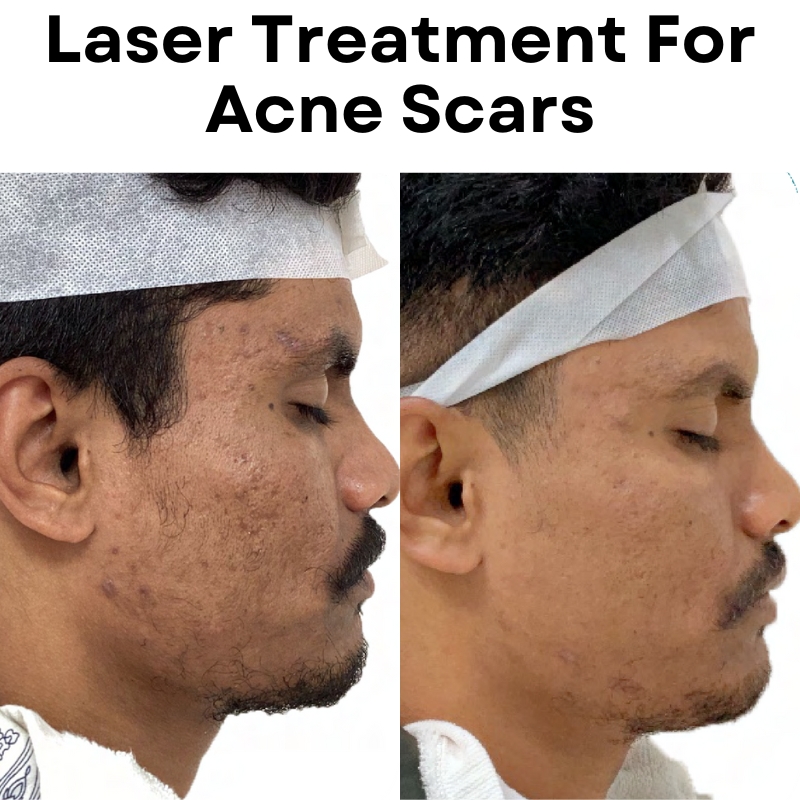
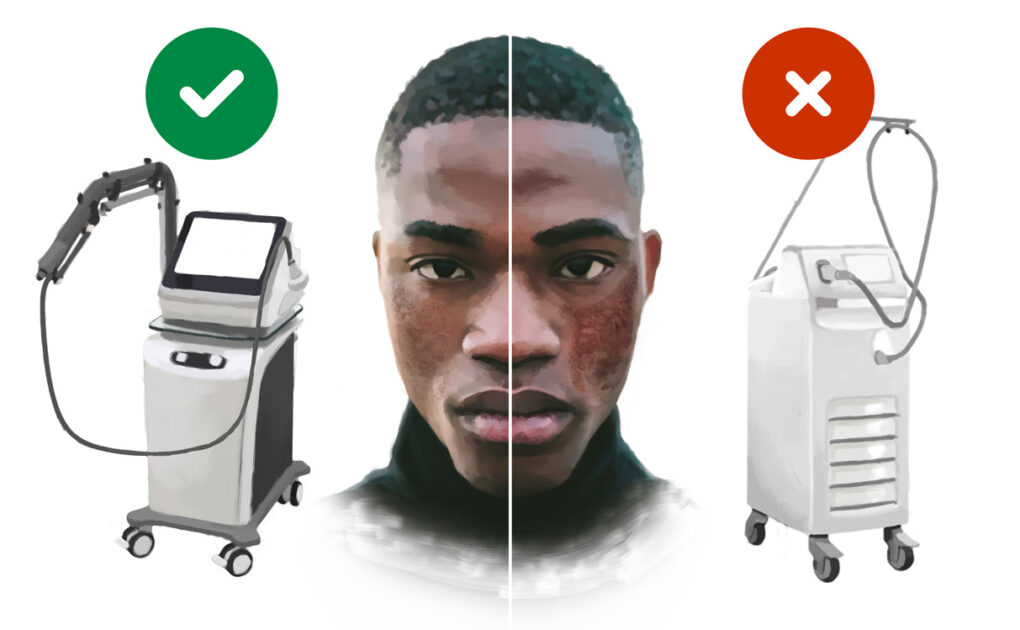
- Laser therapy
- Microneedling
- Exfoliating treatments, such as microdermabrasion
Professional Treatment Options for Acne-Related Hyperpigmentation
If you are experiencing significant acne-related hyperpigmentation, consider consulting a dermatologist or skincare professional for personalized treatment. They can recommend the best treatment plan for your skin type and concerns, which may include:
- Topical creams and serums containing specific active ingredients, such as azelaic acid or tretinoin
- In-office exfoliating treatments, such as chemical peels or laser therapy
- Skin rejuvenation treatments, such as microneedling or microdermabrasion
Concluding Thoughts
Acne-related hyperpigmentation can be challenging to treat, but with the right combination of at-home and in-office treatments, it is possible to achieve smoother, brighter skin. Remember to always consult with a dermatologist or skincare professional before trying any new treatments, as they can recommend the best course of action for your individual skin concerns.